







What's Happening?
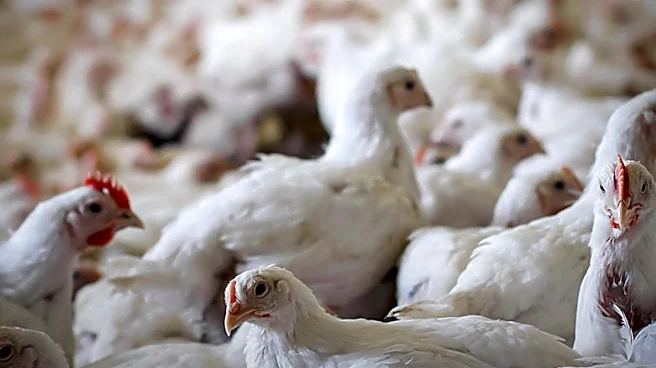
The highly pathogenic avian influenza virus, H5N1, has re-emerged in South Dakota, affecting 77,700 birds across two flocks this month. Specifically, a commercial meat turkey flock of 74,900 birds in Beadle County was struck on August 12, followed by
a backyard flock of 2,800 birds in Brule County on August 20. This brings South Dakota's total bird count affected by the H5N1 outbreak to 8.1 million since the national outbreak began in 2022, spanning 144 commercial and 31 backyard flocks. The Animal and Plant Health Inspection Service of the U.S. Department of Agriculture (USDA) tracks these detections nationwide. Standard practice dictates euthanizing entire affected flocks to prevent further spread. Federal officials also confirmed the virus in two Idaho backyard flocks of 10 and 50 birds on the same day. The South Dakota Department of Health issued an alert on August 21 for potential human infections, advising healthcare providers to inquire about contact with sick or dead animals in patients presenting with flu-like symptoms.
Why It's Important?
The resurgence of H5N1 avian flu in South Dakota carries significant implications for the U.S. poultry industry and public health. The rapid spread and high mortality rate of the H5N1 strain necessitate the culling of entire flocks, leading to substantial economic losses for commercial poultry producers. The cumulative loss of 8.1 million birds in South Dakota alone since 2022 highlights the severe financial impact on the agricultural sector. Furthermore, the federal policy of reimbursing farmers for their losses through indemnity payments places a financial burden on taxpayers. The alert from the South Dakota Department of Health regarding potential human infections underscores the ongoing public health concern, even though human-to-human transmission is rare. The virus's ability to spread during seasonal migrations of wild birds means that new outbreaks are a recurring threat, requiring continuous vigilance and biosecurity measures to protect both animal and human populations.
What's Next?
In response to the ongoing H5N1 detections, federal and state officials will continue to oversee the euthanasia of affected flocks and provide indemnity payments to farmers for their losses. The South Dakota Department of Health's alert will likely prompt increased surveillance for human cases among individuals exposed to infected animals, with healthcare providers being advised to remain vigilant for flu-like symptoms. As seasonal bird migrations are underway, further avian influenza detections are anticipated across the nation. This necessitates continued monitoring and rapid response protocols from the USDA and state agricultural departments. Research into the virus's behavior, such as the Johns Hopkins study indicating that cooler nasal temperatures may restrict H5N1 replication in human airways, could inform future public health strategies and surveillance efforts, particularly for adaptive mutations that might enhance viral replication in human respiratory tracts.
Beyond the Headlines
The persistent H5N1 avian flu outbreaks highlight the complex interplay between wildlife, domestic agriculture, and public health. The practice of culling entire flocks, while effective in containing the virus, raises ethical considerations regarding animal welfare and the sustainability of large-scale poultry farming. The economic strain on farmers, despite federal reimbursements, can lead to significant emotional and financial distress within rural communities. Moreover, the potential for zoonotic spillover, even if rare, underscores the need for a 'One Health' approach that integrates animal, human, and environmental health surveillance. The ongoing threat of H5N1 also prompts a broader discussion about biosecurity measures in agricultural practices and the need for robust research into vaccine development and alternative containment strategies to mitigate future outbreaks and their wide-ranging consequences.