




What's Happening?
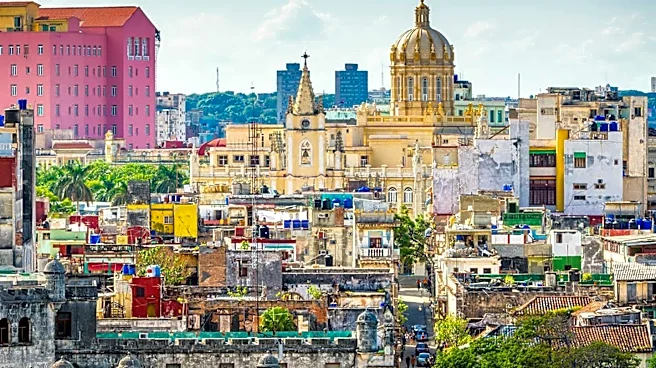
Cuba is currently experiencing one of its most severe economic and energy crises in decades, marked by widespread fuel shortages, frequent electricity blackouts, and limited access to essential goods. This dire situation has significantly impacted daily
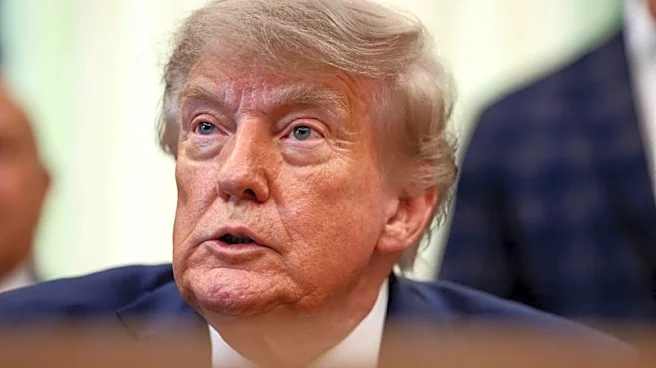
life for Cubans, with many students and teachers facing long commutes to schools that struggle to provide adequate meals and basic hygiene facilities due to lack of water. The crisis has also led to exorbitant prices for necessities; for instance, a pair of sneakers can cost 15,600 pesos, far exceeding the average state salary of 3,000 to 4,000 pesos per month. Public transportation is severely disrupted, and essential services like healthcare and water supply are affected. Cuban officials attribute the exacerbation of these conditions to the economic sanctions and pressure exerted by the United States, particularly policies implemented during the Trump administration, which they describe as an 'oil blockade' that has worsened existing economic difficulties.
Why It's Important?
The ongoing crisis in Cuba, intensified by U.S. sanctions, highlights the profound humanitarian impact of foreign policy on civilian populations. The economic blockade, which has been in place for decades, has created a challenging environment for ordinary Cubans, affecting their access to food, medicine, education, and basic utilities. The situation underscores the debate surrounding the effectiveness and ethics of economic sanctions as a tool of foreign policy, particularly when they lead to widespread suffering among the general populace. For the U.S., the continued sanctions policy against Cuba remains a point of international contention, with the UN General Assembly repeatedly condemning the embargo. The crisis also raises questions about regional stability and migration patterns, as deteriorating conditions in Cuba could prompt more citizens to seek opportunities elsewhere, potentially impacting U.S. immigration dynamics.
What's Next?
Cuban officials are actively calling for the lifting of U.S. sanctions and the normalization of economic relations, urging other countries to oppose unilateral sanctions and provide international support to address the crisis. The U.S., however, maintains that its policy of pressure aims to encourage political and economic changes within the Cuban government. The future trajectory of the crisis will largely depend on potential shifts in U.S. foreign policy towards Cuba, which could be influenced by future administrations or international pressure. Without a significant change in the U.S. approach or substantial international aid, Cuba is likely to continue grappling with severe shortages and economic instability. The international community's response to Cuba's pleas for support and the ongoing debate at the UN General Assembly will also play a role in shaping the island's immediate future.
Beyond the Headlines
The prolonged U.S. embargo on Cuba, dating back to the 1960s, represents a complex historical and geopolitical issue. While initially justified by Cold War dynamics, its continuation raises ethical questions about its long-term efficacy and humanitarian consequences. The current crisis highlights the resilience of the Cuban people, who adapt to extreme shortages by finding alternative solutions, such as relying on friends with electricity or using solar-powered tricycles. However, it also exposes the deep-seated frustrations and disillusionment among the population, particularly the younger generation, many of whom contemplate leaving the island for better opportunities. The situation also reflects broader themes of national sovereignty versus international pressure, and the enduring legacy of historical conflicts on contemporary societies. The debate over U.S.-Cuba relations extends beyond economic policy, touching upon human rights, political ideology, and the role of a global superpower in shaping the destiny of a smaller nation.