





What's Happening?
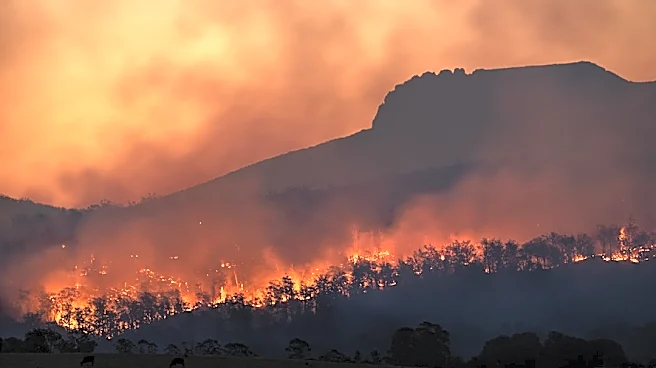
New research indicates that wildfire smoke contains more toxins than previously understood, posing health risks that extend beyond lung damage. Scientists have found that exposure to wildfire smoke can negatively affect the heart, brain, and other organs.
This discovery comes as wildfires and their associated smoke plumes are becoming increasingly prevalent, leading to widespread concerns about air quality. The issue is particularly acute in regions frequently impacted by wildfires, where residents are routinely exposed to smoky conditions. The increased frequency and intensity of wildfires are often linked to climate change, contributing to a 'peak wildfire journalism season' with numerous reports on the topic. The health implications are prompting a reevaluation of the long-term effects of smoke exposure on human health.
Why It's Important?
The expanded understanding of wildfire smoke's health impacts is crucial for public health and environmental policy. Previously, the primary concern was respiratory issues, but now the focus is broadening to include systemic effects on vital organs. This shift necessitates more comprehensive public health advisories and potentially new medical guidelines for individuals living in fire-prone areas. The economic implications are also significant, as the cost of climate-worsened wildfire smoke alone is estimated to be higher than the combined costs of other climate change impacts, according to some climate scientists. This highlights the urgent need for investment in wildfire prevention, mitigation, and improved air quality management to protect both human health and economic stability.
What's Next?
As research continues to uncover the full extent of wildfire smoke's toxicity, there will likely be increased calls for more robust public health interventions and environmental regulations. This could include enhanced air quality monitoring systems, more detailed public health warnings, and the development of new technologies or strategies to mitigate smoke exposure. Individuals in affected areas may need to adopt more stringent indoor air quality measures, such as using air purifiers and sealing homes more effectively. Policy discussions may also intensify regarding land management practices, such as 'full suppression' versus 'let it burn' fire management, to reduce the scale and impact of future wildfires. The ongoing challenge of climate change will continue to drive the need for adaptive strategies to cope with increased wildfire activity.
Beyond the Headlines
The pervasive nature of wildfire smoke and its newly recognized broad health impacts underscore a deeper societal challenge related to climate change. Beyond the immediate physical health concerns, there are significant psychological and emotional tolls, as evidenced by personal accounts of anxiety and uncertainty among those living in smoke-affected regions. The routine nature of preparing for wildfire evacuations and living with poor air quality is transforming daily life for many, particularly in the Western U.S. This situation also raises ethical questions about environmental justice, as vulnerable populations may be disproportionately affected by poor air quality and have fewer resources to protect themselves. The long-term shift in ecosystems, where towering woodlands are being replaced by shrubs due to intense fires, signals a profound ecological transformation with lasting consequences.