
What's Happening?
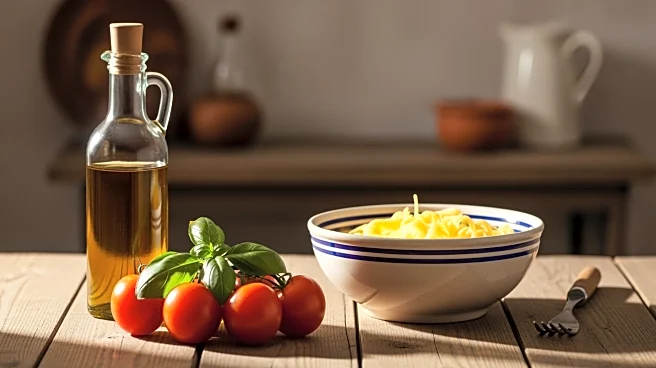
Italian cuisine has been officially recognized by UNESCO as an intangible cultural heritage, marking a significant achievement for Italy. This recognition follows a three-year campaign by Italy's Agriculture
Ministry to highlight the traditional methods of growing, harvesting, preparing, and serving food in Italy. Italian Prime Minister Giorgia Meloni announced the decision, emphasizing that Italian cuisine is not merely a collection of recipes but a reflection of culture, tradition, and identity. The recognition aims to protect Italian cuisine from imitation and misuse, such as the production of fake Italian food products. The designation is expected to enhance Italy's global culinary reputation and provide economic benefits by boosting exports and tourism.
Why It's Important?
The UNESCO recognition of Italian cuisine underscores the global appreciation for Italy's culinary traditions and its impact on cultural identity. This status not only protects the authenticity of Italian food but also strengthens Italy's position in the global food market. The recognition is likely to increase demand for genuine Italian products, benefiting local producers and the economy. It also highlights the importance of preserving cultural heritage in a rapidly globalizing world. For Italy, this recognition is a source of national pride and a testament to the country's rich culinary history, potentially leading to increased tourism and economic growth.
What's Next?
Following the UNESCO recognition, Italy is expected to implement measures to safeguard its culinary heritage. This may include stricter regulations on food labeling and increased efforts to combat counterfeit Italian products. The recognition could also lead to new opportunities for Italian chefs and food producers to showcase their products on a global stage. Additionally, the Italian government may leverage this status to promote cultural tourism, attracting visitors interested in experiencing authentic Italian cuisine. The recognition could also inspire other countries to seek similar designations for their culinary traditions, fostering a greater appreciation for global food heritage.