






What's Happening?
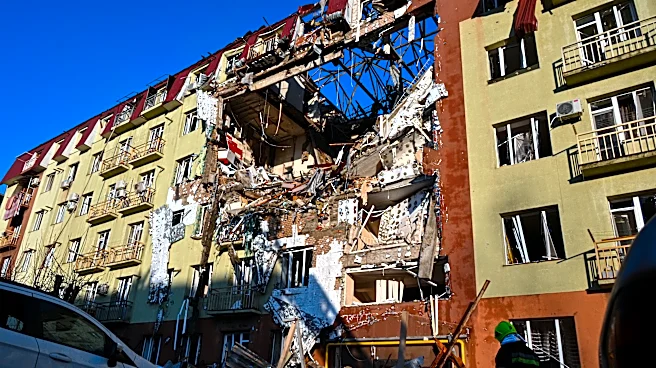
During a temporary ceasefire declared for Orthodox Easter, Ukraine and Russia accused each other of numerous violations. The ceasefire, which began on Saturday afternoon and ended on Sunday, was intended to provide a pause in hostilities. However, Ukraine reported
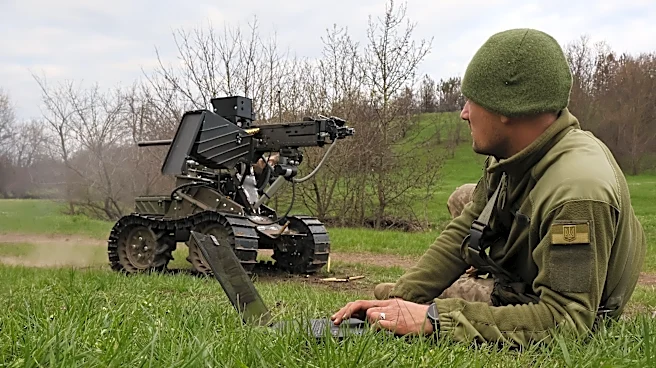
2,299 violations by Russian forces, while Russia accused Ukraine of 1,971 breaches. The ceasefire was marked by continued military actions, with both sides engaging in drone strikes and other forms of aggression. Ukrainian President Volodymyr Zelenskyy stated that Ukraine would adhere to the ceasefire but reserved the right to respond to any violations. The exchange of accusations highlights the ongoing tensions and challenges in achieving a lasting peace.
Why It's Important?
The breakdown of the ceasefire underscores the persistent challenges in resolving the conflict between Ukraine and Russia. The mutual accusations and continued hostilities reflect the deep-seated mistrust and the complexity of the geopolitical situation. This ongoing conflict has significant implications for regional stability and international relations, particularly in Europe. The inability to maintain a ceasefire during a religious holiday highlights the difficulties in achieving diplomatic solutions and the potential for further escalation. The situation continues to impact civilian populations and strain international diplomatic efforts.
What's Next?
With the ceasefire now over, both Ukraine and Russia may continue to engage in military actions, potentially leading to further escalation. The international community, including the European Union and the United States, may increase diplomatic efforts to mediate peace or impose additional sanctions. The situation remains fluid, and the potential for renewed peace talks or increased conflict will be closely monitored by global stakeholders. The ongoing conflict poses challenges for international diplomacy and regional security.