



What's Happening?
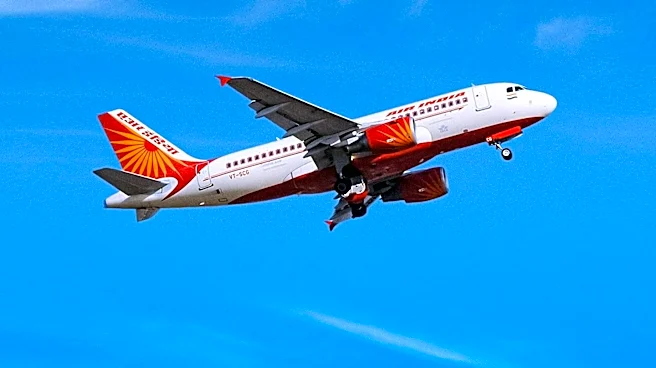
A Mumbai-based Air India pilot, in his 40s, passed away during a layover in Delhi on Friday. The pilot, who had recently transferred from Air India Express to Air India, was discovered unconscious in his hotel room at The Gran in Vasant Kunj. He was immediately
transported to a hospital, where he was pronounced dead. Air India has publicly expressed its profound sorrow regarding the incident and confirmed that it is actively providing support to the pilot's family during this difficult time. Delhi Police reported that the pilot had checked into the hotel on Thursday. His brother contacted the hotel manager on Friday evening after being unable to reach him. Hotel staff, using a master key, entered the room and found him unconscious. A post-mortem examination was conducted at Safdarjung Hospital on Saturday, and the final cause of death is pending the full report.
Why It's Important?
This incident highlights the demanding nature of the aviation profession, particularly for pilots who often face irregular schedules and significant time away from home. The death of a pilot during a layover can raise concerns about crew well-being, stress, and the support systems in place for airline personnel. For Air India, this event underscores the importance of employee welfare and the need for robust protocols to address such emergencies. The company's swift response in offering support to the family is crucial for maintaining employee morale and public trust. While the cause of death is still under investigation, such occurrences can prompt airlines to review their health and safety policies for flight crews, especially those involving extended layovers and potential health risks associated with the profession. The incident also brings to light the personal sacrifices made by aviation professionals and the impact on their families.
What's Next?
The immediate next step involves the completion of the post-mortem examination and the official determination of the cause of death. Delhi Police are continuing their inquiry into the circumstances surrounding the pilot's passing. Air India will likely continue to provide support to the pilot's family and may conduct an internal review of the incident, particularly concerning crew welfare and emergency response procedures during layovers. Depending on the findings of the investigation, there could be broader discussions within the aviation industry regarding pilot health monitoring, stress management, and the adequacy of support systems for flight crews. This event could also lead to increased scrutiny of hotel safety protocols for airline personnel during layovers. The airline's focus will remain on supporting the family and ensuring that all necessary procedures are followed.
Beyond the Headlines
Beyond the immediate tragedy, this event subtly underscores the often-unseen human element within the highly structured and technical world of aviation. While the focus is typically on flight safety and operational efficiency, the well-being of individual crew members is paramount. The incident could spark a broader conversation within the airline industry about mental health, physical health, and the pressures faced by pilots, especially those transitioning between airlines or experiencing significant life changes. It also highlights the critical role of hotel staff and emergency services in responding to such situations. The support offered by Air India to the family is not just a corporate gesture but a reflection of the interconnectedness within the airline community. This event serves as a poignant reminder that even in a highly regulated industry, the human factor, with all its vulnerabilities, remains central.