




What's Happening?
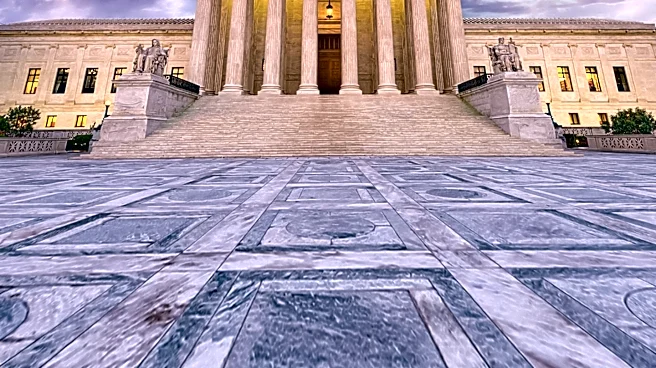
The 11th Circuit Court of Appeals in Atlanta is set to decide on a landmark First Amendment case involving the Uhuru 3, who were convicted in 2024 of conspiracy to act as unregistered foreign agents of Russia. The case centers around Chairman Omali Yeshitela
and two other activists, who were acquitted of being secret agents but convicted on conspiracy charges due to their political speech opposing U.S. foreign policy. The case has garnered support from various First Amendment defenders and social justice activists, highlighting concerns over the use of federal statutes to prosecute political speech.
Why It's Important?
This case is significant as it challenges the boundaries of free speech and the government's ability to prosecute individuals based on their political views. The outcome could set a precedent for how dissenting speech is treated under U.S. law, particularly in cases involving allegations of foreign influence. A ruling in favor of the Uhuru 3 could reinforce protections for political speech, while a decision against them might embolden further prosecutions of activists and dissenters. The case also raises questions about the application of laws intended to regulate foreign agents and their impact on domestic political discourse.
What's Next?
The court's decision will likely have far-reaching implications for free speech rights in the U.S. If the conviction is upheld, it may lead to increased scrutiny and potential legal challenges for activists and organizations critical of U.S. policies. Conversely, a reversal could strengthen legal protections for political speech and limit the government's ability to use foreign agent laws against domestic dissenters. The case may also prompt legislative or judicial reviews of the statutes in question, potentially leading to reforms that better balance national security concerns with constitutional rights.