






What's Happening?
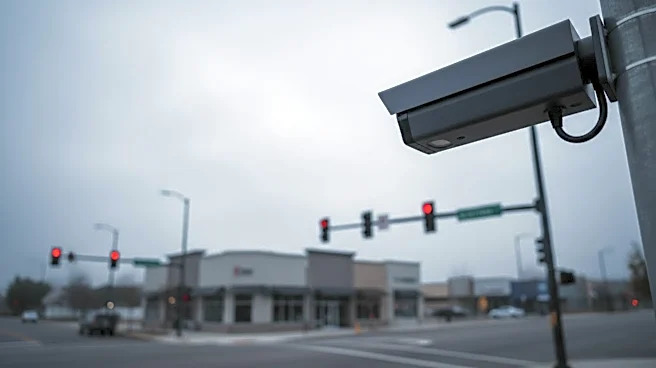
Oviedo police deployed a 3D-printed decoy Flock camera to catch a suspect accused of vandalizing and stealing license plate readers. After several actual Flock cameras were damaged or stolen, officers installed the fake camera on Lockwood Boulevard and placed
it under surveillance. Police Chief David Coleman stated that Evan Meyer was apprehended while allegedly cutting down the decoy camera with pruning shears. Meyer was subsequently arrested in connection with the vandalism. The operation, however, was conducted without the prior knowledge of the Oviedo City Council, a fact that Mayor Megan Sladek noted, highlighting the sensitivity of the issue given ongoing debates about the use of Flock cameras in the city.
Why It's Important?
This incident highlights the innovative, albeit controversial, tactics law enforcement agencies are employing to combat crime and protect city assets. The use of a decoy camera demonstrates a proactive approach to deterring vandalism and apprehending suspects, potentially saving taxpayer money by preventing damage to expensive equipment. However, the lack of communication with the City Council raises questions about transparency and oversight in police operations, especially concerning technologies like Flock cameras that are already subject to public debate regarding privacy and surveillance. This situation could further fuel discussions about police accountability and the balance between effective law enforcement strategies and public trust, particularly when new or unconventional methods are used without broader governmental awareness.
What's Next?
Evan Meyer will face legal proceedings related to the vandalism charges. Meanwhile, the Oviedo City Council is likely to continue its discussions regarding the city's use of Flock cameras, with this incident potentially adding another layer to the debate. Mayor Sladek's comments suggest that the council may seek more transparency or input on police operational tactics, especially those involving controversial technologies. Police Chief Coleman has indicated that additional decoy cameras could be deployed if vandalism persists, suggesting a continued commitment to protecting city property. This situation could lead to policy reviews within the Oviedo Police Department regarding communication protocols with city leadership for certain types of operations.
Beyond the Headlines
Beyond the immediate arrest, this event touches upon deeper implications concerning privacy, technology, and governance. The use of 3D printing for law enforcement tools signals an evolving landscape where technology plays an increasingly central role in policing. However, the controversy surrounding Flock cameras—and surveillance technology in general—underscores a societal tension between security and civil liberties. The fact that the City Council was unaware of the decoy operation could strain relations between the police department and city leadership, potentially leading to calls for stricter oversight or new policies governing police tactics. This incident serves as a microcosm of the broader national debate on how communities balance the benefits of advanced surveillance with concerns about privacy and democratic accountability.