







What's Happening?
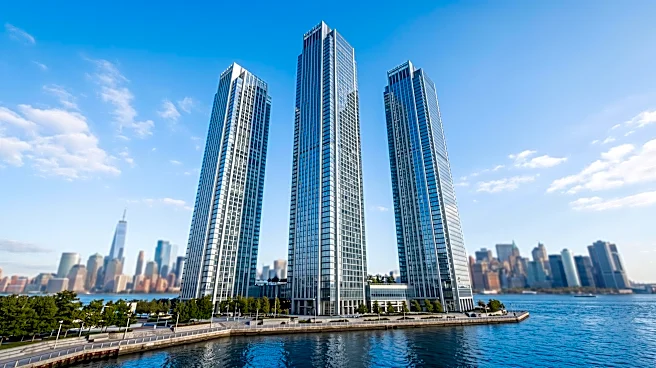
Jersey City's Planning Board has given its approval for a proposal to construct three 50-story skyscrapers at the Washington Street parking lot site. This decision marks a significant development for the city's waterfront area, indicating a continued
trend of major construction projects in the region. The approval suggests a move towards further densification and vertical growth in Jersey City, particularly in prime locations like the waterfront. This development is part of a broader pattern of urban expansion and revitalization efforts within the city, aiming to transform existing spaces into high-rise residential or mixed-use complexes. The specific details regarding the exact nature of the skyscrapers, such as whether they will be residential, commercial, or mixed-use, were not explicitly detailed in the source, but the scale of the project indicates a substantial addition to the city's skyline.
Why It's Important?
The approval of three 50-story skyscrapers on the Jersey City waterfront carries significant implications for the local economy, urban landscape, and housing market. Such large-scale developments typically bring substantial investment, create numerous construction jobs, and can stimulate economic activity in related sectors. However, they also raise concerns about infrastructure strain, increased traffic congestion, and potential impacts on existing communities, including gentrification and affordability. The addition of numerous high-rise units could alter the housing supply and demand dynamics in the area, potentially attracting new residents and businesses but also possibly driving up living costs. This project underscores Jersey City's role as a growing urban center and a desirable location for development, reflecting ongoing trends of urbanization and the demand for modern living spaces near major metropolitan hubs like New York City.
What's Next?
Following the Planning Board's approval, the project will likely move into the next phases of development, which typically include securing financing, detailed architectural and engineering design, and obtaining various construction permits. The timeline for groundbreaking and completion of such a large-scale project can span several years. Local residents and community groups may continue to engage with city officials and developers regarding the project's impact on local services, traffic, and public spaces. The development could also influence future planning decisions for other waterfront properties in Jersey City, potentially encouraging similar high-density projects. The long-term success of these skyscrapers will depend on market demand, the city's ability to manage growth, and the integration of new developments with existing urban fabric.
Beyond the Headlines
This development highlights the ongoing transformation of urban waterfronts across the U.S., often driven by a desire to maximize land value and create vibrant mixed-use districts. The construction of three 50-story skyscrapers reflects a broader trend of vertical urbanism, where cities are building upwards to accommodate population growth and economic expansion. This approach can lead to iconic skylines and increased density, but it also presents challenges related to environmental sustainability, public access to waterfronts, and the preservation of historical character. The project could also intensify debates about affordable housing, as luxury high-rises often contribute to rising property values in surrounding areas. The long-term success of such developments hinges on comprehensive urban planning that balances economic growth with social equity and environmental considerations.