



What's Happening?
The Nepal Electricity Authority (NEA) has projected that the peak electricity demand on the day of Laxmi Puja this year will reach approximately 1,700 megawatts. Dirghayu Kumar Shrestha, Executive Director of the NEA, stated that the country's domestic
power production is sufficient to meet this anticipated demand. The NEA estimates that electricity generation during this period will be around 2,500 megawatts, exceeding the domestic demand and ensuring a smooth power supply. Special preparations have been made by the NEA to guarantee reliable, regular, and quality power supply to consumers during the Tihar and Chhath festivals. All concerned office chiefs have been instructed to make necessary arrangements to prevent any power supply disruptions and to promptly address complaints received through the no-light service telephone calls.
Why It's Important?
This announcement from the NEA is crucial for the millions of households and businesses in Nepal that rely on a stable power supply, especially during significant festivals like Tihar and Chhath. Ensuring uninterrupted electricity during Laxmi Puja, a day of widespread lighting and celebrations, is vital for public morale and the smooth functioning of daily life. The NEA's confidence in meeting demand with domestic production highlights a potential shift towards energy self-sufficiency, reducing reliance on imports. A reliable power supply also supports small businesses and vendors who depend on electricity for their operations during the festive season, contributing to local economic activity. Conversely, any failure to meet this promise could lead to public dissatisfaction and economic disruption during a critical cultural period.
What's Next?
The NEA will proceed with its special preparations to ensure a stable power supply throughout the Tihar and Chhath festivals. This includes monitoring generation and distribution networks, and maintaining readiness to address any technical issues. Office chiefs across the country are expected to implement the directives from Executive Director Shrestha, focusing on proactive problem-solving and responsive customer service. Consumers will be closely watching the NEA's performance during this period, and the success of these measures will likely influence public perception of the authority's capabilities in managing national power demands, particularly during peak consumption times.
Beyond the Headlines
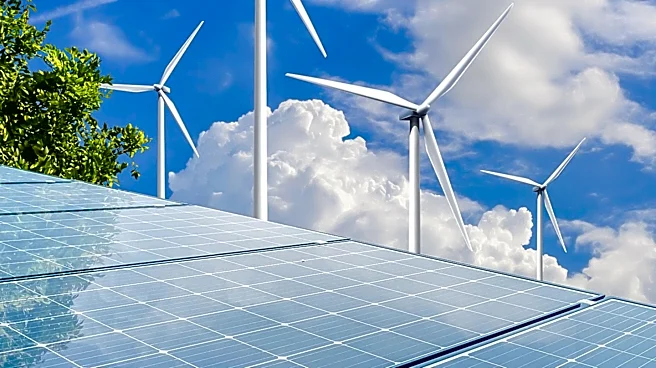
The NEA's ability to meet peak demand with domestic production signifies a broader trend towards energy independence in Nepal. This could have long-term implications for the country's economic development and environmental sustainability. Reduced reliance on imported electricity can save foreign exchange and bolster national energy security. Furthermore, the focus on reliable power supply during festivals underscores the cultural significance of electricity in modern Nepalese society, where traditional celebrations are increasingly intertwined with contemporary infrastructure. The efficiency and responsiveness of the NEA during this period could also serve as a benchmark for other public utility services in the country, promoting higher standards of service delivery.