






What's Happening?
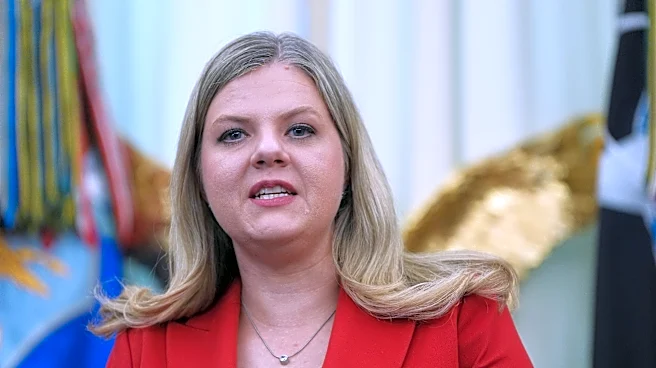
President Trump has nominated Dr. Heidi Overton, a top White House aide and deputy director of the White House Domestic Policy Council, to lead the Food and Drug Administration (FDA). Dr. Overton, who holds medical and doctoral degrees, previously served
as chief policy officer at the America First Policy Institute, a conservative think tank. Her nomination comes after the resignation of the previous FDA head, Dr. Marty Makary, in May. President Trump, referring to her as 'Dr. Heidi,' praised her as a 'rockstar' who would advance his priorities, including faster cures, innovation, lower drug prices, and the 'Make America Healthy Again' movement championed by Health Secretary Robert F. Kennedy Jr. Dr. Overton has been a vocal proponent of President Trump's health initiatives, including 'most favored nation' drug deals and an executive order seeking to split the combined measles, mumps, and rubella (MMR) vaccine into three separate immunizations, a move criticized by medical groups. She has also expressed critical views on abortion pills and, if confirmed, could potentially roll back FDA regulations that have increased their accessibility. Her confirmation will require approval from a narrowly Republican-led Senate and questioning by the Senate Health, Education, Labor and Pensions Committee.
Why It's Important?
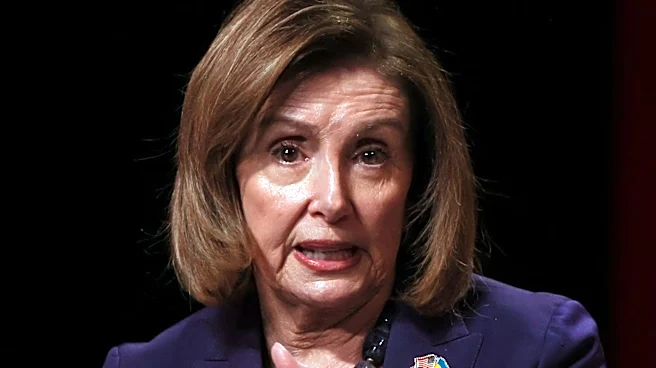
Dr. Overton's nomination is significant due to her alignment with President Trump's health agenda and her potential to reshape the FDA's regulatory landscape. Her past support for initiatives like splitting the MMR vaccine, despite scientific consensus against a link between vaccines and autism, raises concerns among medical professionals and Democratic lawmakers. Sen. Patty Murray (D-Wash.), a committee member, has already publicly criticized the nomination, labeling Dr. Overton as a 'far-right, anti-abortion extremist' unfit to lead the FDA. If confirmed, Dr. Overton could influence policies regarding drug approvals, vaccine mandates, and access to medication abortion, potentially impacting public health and pharmaceutical industries. Her stance on abortion pills, which are used in nearly two-thirds of U.S. abortions and are considered safe by medical professionals, could lead to significant changes in reproductive healthcare access. The nomination also highlights the ongoing tension between political priorities and scientific recommendations within federal health agencies, with potential implications for the FDA's independence and its role in safeguarding public health.
What's Next?
Dr. Heidi Overton's nomination will proceed to the Senate for confirmation, where she will face scrutiny from the Senate Health, Education, Labor and Pensions Committee. The committee, chaired by Republican Sen. Bill Cassidy, a physician who has previously criticized President Trump's actions regarding vaccinations, will question Dr. Overton on her qualifications, policy stances, and approach to scientific evidence. Given the narrowly Republican-led Senate, her confirmation is not guaranteed and is likely to be a contentious process. Democratic senators, like Sen. Patty Murray, are expected to voice strong opposition, particularly concerning Dr. Overton's views on abortion and her alignment with President Trump's vaccine policies. Pharmaceutical companies, biotech firms, and patient advocacy groups will closely monitor the confirmation hearings, as Dr. Overton's leadership could impact drug approval processes, regulatory frameworks, and the agency's overall direction. The outcome of this confirmation will determine the future leadership of a critical federal agency responsible for ensuring the safety and efficacy of drugs, vaccines, and food products in the U.S.
Beyond the Headlines
The nomination of Dr. Heidi Overton to lead the FDA extends beyond immediate policy changes, touching upon deeper implications for the role of science in public policy and the independence of regulatory bodies. Her past association with President Trump's health initiatives, some of which have been criticized for contradicting established scientific consensus, raises questions about the future of evidence-based decision-making at the FDA. The agency's historical role as a scientific arbiter could be challenged if political considerations are perceived to outweigh scientific rigor. This situation could further polarize public trust in federal health institutions, especially concerning sensitive issues like vaccine safety and reproductive health. Furthermore, the nomination highlights the ongoing ideological battle over healthcare in the U.S., with potential long-term effects on medical research, pharmaceutical innovation, and public health outcomes. The debate surrounding Dr. Overton's confirmation will likely serve as a barometer for the balance between political influence and scientific integrity within federal agencies.