



What's Happening?
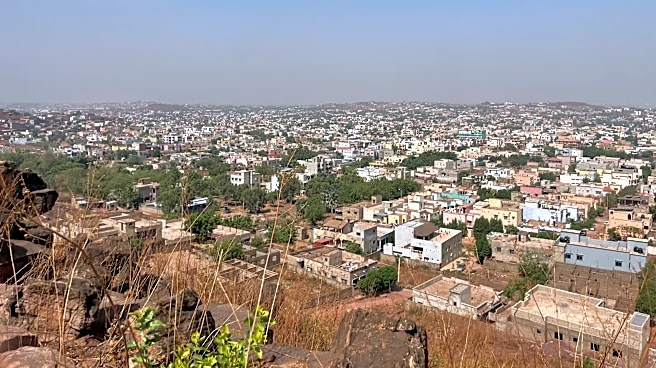
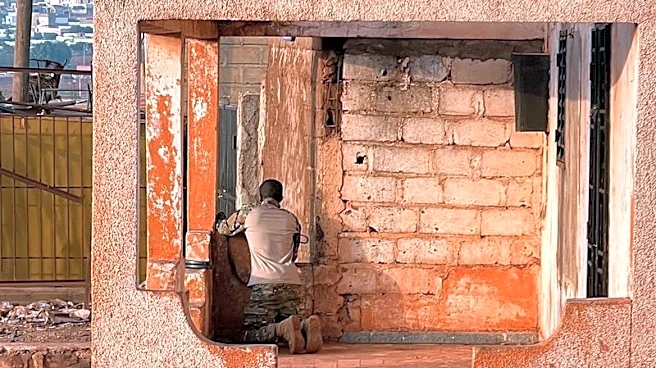
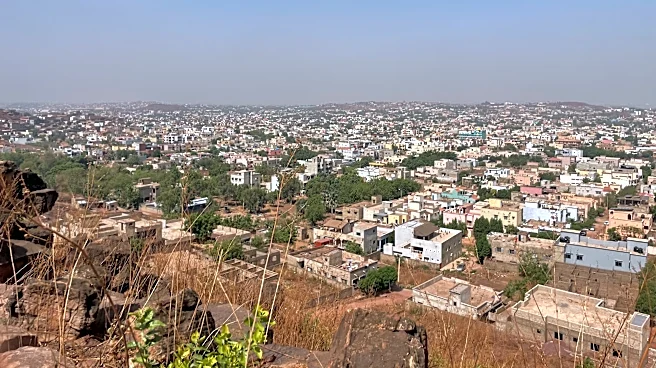
Mali's Defence Minister, General Sadio Camara, was killed in a series of coordinated attacks on military sites across the country. The attacks, which occurred on Saturday, targeted Camara's residence in the garrison town of Kati, a heavily fortified area
northwest of the capital, Bamako. The assault was carried out by an al-Qaeda affiliate and Tuareg rebels, marking a significant escalation in the ongoing conflict in Mali. Camara was a central figure in the military government that came to power following coups in 2020 and 2021. His death is seen as a major blow to the country's armed forces, as he was considered one of the most influential figures within the ruling military leadership and a potential future leader of Mali.
Why It's Important?
The death of General Sadio Camara is a significant setback for Mali's military government, which has been struggling to maintain control amid ongoing conflicts with various armed groups. Camara's influence and leadership were crucial in the military's efforts to stabilize the country following the coups. His assassination could lead to further instability and embolden armed groups to intensify their attacks. The coordinated nature of the attacks, involving both al-Qaeda-linked fighters and Tuareg rebels, highlights the growing collaboration among insurgent groups in Mali. This development poses a serious challenge to the government's ability to secure the nation and could have broader implications for regional security in West Africa.
What's Next?
In the wake of Camara's death, Mali's military government is likely to face increased pressure to respond decisively to the attacks and prevent further destabilization. The government may need to reassess its security strategies and strengthen its defenses, particularly in key locations like Kati. The international community, including the African Union and the European Union, has condemned the attacks, and there may be calls for increased international support to help Mali address its security challenges. Additionally, the collaboration between al-Qaeda-linked groups and Tuareg rebels suggests that the government will need to address the underlying grievances and conflicts that have fueled the insurgency.
Beyond the Headlines
The assassination of General Sadio Camara underscores the complex and multifaceted nature of the conflict in Mali. The involvement of diverse armed groups with different objectives highlights the challenges the government faces in negotiating peace and stability. The attacks also raise questions about the effectiveness of the military government's approach to counterinsurgency and the need for a more comprehensive strategy that addresses political, social, and economic factors contributing to the unrest. The situation in Mali could have long-term implications for regional stability, as neighboring countries may also face increased threats from insurgent groups emboldened by the events in Mali.