



What's Happening?
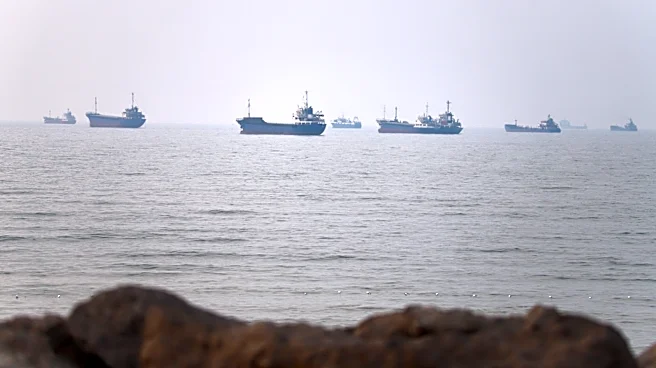
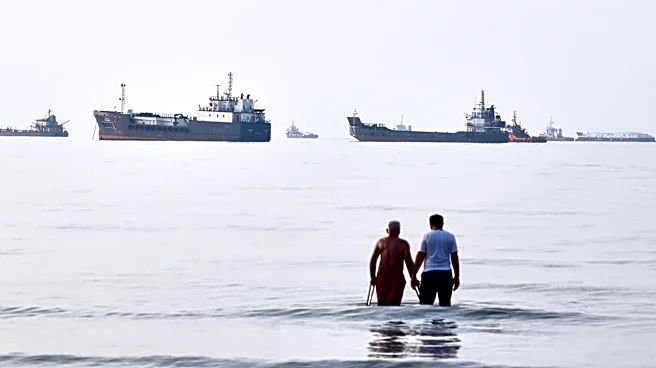
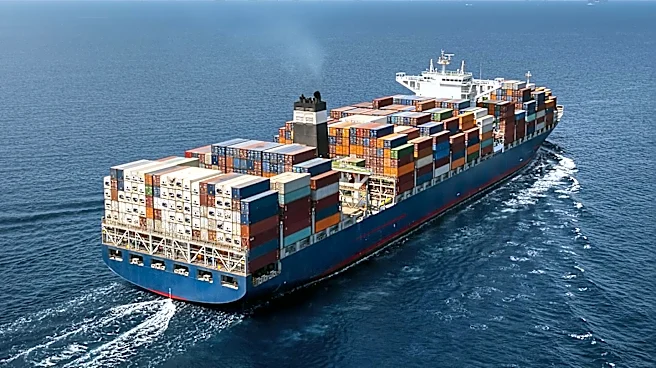
The U.S. military is set to enforce a maritime blockade on Iran starting Tuesday, as announced by the U.S. Navy-led Joint Maritime Information Center. This blockade will encompass all of Iran's ports, oil terminals, and coastal areas, impacting all vessel
traffic regardless of the flag they fly. The enforcement is scheduled to begin at 4 p.m. Eastern Standard Time on July 14. The advisory issued by the center states that any vessel suspected of unauthorized entry or departure from the blockaded area may face interception, diversion, and capture. The use of force is authorized against non-compliant vessels. However, the advisory clarifies that neutral transit through the Strait of Hormuz, heading to or from non-Iranian destinations, will not be obstructed.
Why It's Important?
The enforcement of a maritime blockade on Iran by the U.S. Navy is a significant escalation in the ongoing tensions between the United States and Iran. This action could have substantial implications for global oil markets, as the Strait of Hormuz is a critical chokepoint for oil transportation. The blockade may disrupt Iran's oil exports, potentially leading to increased oil prices worldwide. Additionally, this move could heighten geopolitical tensions in the region, affecting international relations and security dynamics. The blockade underscores the U.S.'s strategic interests in curbing Iran's influence and activities in the region, which may lead to further diplomatic and military responses from Iran and its allies.
What's Next?
The immediate consequence of the blockade will likely be increased scrutiny and tension in the Strait of Hormuz, a vital passage for global oil shipments. Stakeholders, including international shipping companies and oil markets, will be closely monitoring the situation for any disruptions. The Iranian government may respond with diplomatic protests or military maneuvers, potentially escalating the situation further. The international community, particularly countries reliant on oil imports through the Strait, may call for diplomatic resolutions to prevent further instability. The U.S. and its allies will need to prepare for potential retaliatory actions from Iran, which could include cyberattacks or military engagements.