









What's Happening?
U.S. Sen. Angus King of Maine, alongside Senators John Hickenlooper of Colorado and Lisa Murkowski of Alaska, has called on the Department of Defense and the National Oceanic and Atmospheric Administration (NOAA) to ensure continuous access to critical
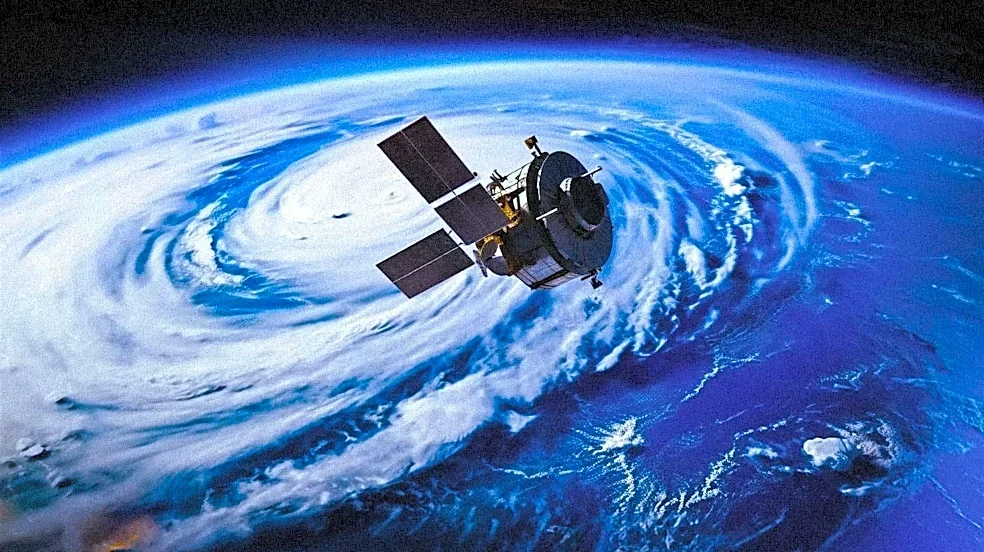
weather data. This comes as the Defense Meteorological Satellite Program (DMSP), an aging federal satellite system, approaches retirement. The DMSP provides vital information for weather forecasting, hurricane tracking, severe weather monitoring, sea ice analysis, and military operations. While the Department of Defense had previously considered ending public access to some of this data, that decision was reversed in 2025 due to concerns about its impact on forecasting and scientific research. The U.S. Space Force announced last month that the program will continue operating until at least 2028, allowing time for replacement systems to be developed. The senators' letter emphasizes the importance of preventing any disruptions in data collection as older satellites reach the end of their operational lives.
Why It's Important?
Reliable weather data is crucial for national security, public safety, and the U.S. economy. Accurate forecasting directly impacts various sectors, including agriculture, energy demand, and disaster preparedness. Gaps in this data could lead to less accurate weather predictions, potentially jeopardizing public safety through inadequate warnings for severe weather events like hurricanes and blizzards. Economically, industries reliant on precise weather information, such as farming and transportation, could face significant financial losses. For states like Maine, which have experienced increasingly unpredictable weather patterns, consistent access to this data is particularly vital for protecting communities and supporting local economies. The bipartisan concern highlights the broad recognition of weather data's foundational role in national infrastructure and resilience.
What's Next?
The Department of Defense and NOAA are expected to respond to the senators' letter, outlining their strategies to prevent data gaps. The U.S. Space Force's commitment to operating the DMSP program until at least 2028 provides a temporary buffer, but the long-term solution involves the development and deployment of replacement satellite systems. Agencies will likely evaluate alternative government and commercial satellite systems to ensure a seamless transition and avoid disruptions in forecasting capabilities. This ongoing process will involve continued collaboration between federal agencies, scientific communities, and potentially private sector partners to secure the future of U.S. weather data collection and analysis. Further legislative oversight and funding allocations may also be necessary to support these efforts.
Beyond the Headlines
The reliance on aging satellite infrastructure underscores a broader challenge in maintaining critical national capabilities. The DMSP situation highlights the continuous need for investment in advanced technological infrastructure to support essential government functions, from national security to public services. The bipartisan nature of the senators' concern suggests a consensus on the strategic importance of weather data, transcending political divides. This issue also touches upon the delicate balance between national security interests and public access to vital scientific data. The reversal of the decision to end public access in 2025 demonstrates the significant influence of scientific and public advocacy in shaping policy related to data availability and its impact on research and forecasting accuracy.