






What's Happening?
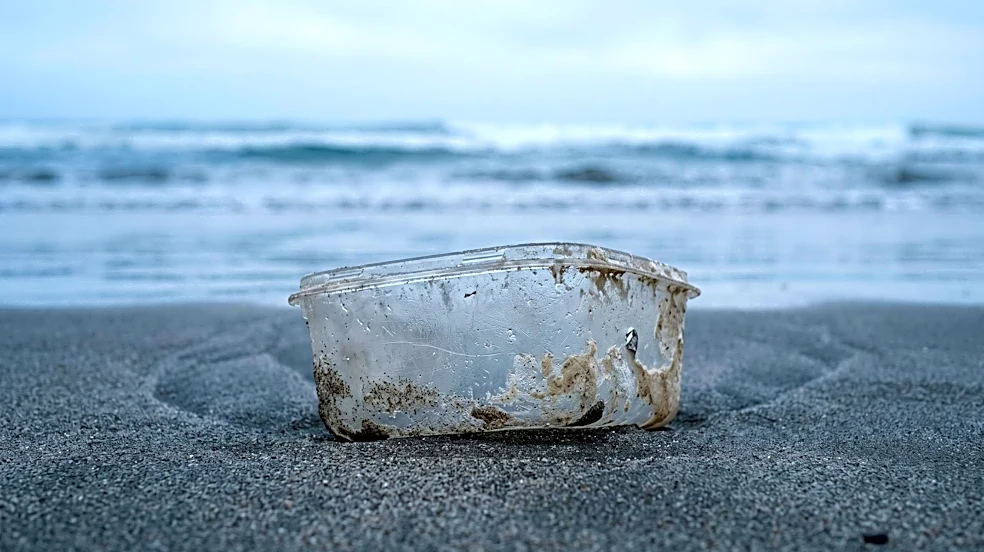
The United Nations Environment Programme (UNEP) Regional Seas Programme is actively working to combat the accelerating degradation of the world's oceans and coastal areas. This initiative, spanning five decades, employs a 'shared seas' approach to implement
region-specific activities across 18 different regions. The program brings together various stakeholders, including governments, scientific communities, civil societies, indigenous peoples, local communities, and youth. A core component of the program involves the adoption of regional action plans, often underpinned by legal frameworks such as regional conventions and associated protocols. These protocols address specific issues like pollution, chemicals and waste, biodiversity and ecosystems, climate change, and integrated ocean governance. Over 50 such thematic protocols have been developed since the program's inception, demonstrating a comprehensive effort to protect marine and coastal environments.
Why It's Important?
The UNEP Regional Seas Programme is crucial for the United States and the global community due to its focus on international cooperation for ocean health. The degradation of marine ecosystems has far-reaching consequences, including impacts on fisheries, coastal economies, and climate regulation. For the U.S., which has extensive coastlines and relies on healthy oceans for trade, tourism, and food security, these international efforts are vital. The program's emphasis on legal frameworks and regional action plans provides a structured approach to address transboundary marine issues that no single nation can effectively tackle alone. By fostering collaboration among diverse stakeholders, the program helps to build consensus and implement effective strategies for sustainable ocean management, which directly benefits U.S. interests in a healthy global ocean.
What's Next?
The UNEP Regional Seas Programme will continue its work through its established regional action plans and conventions. Future efforts will likely involve further development and implementation of thematic protocols to address emerging threats to marine environments, such as new forms of pollution or the escalating impacts of climate change. The program's ongoing engagement with governments, scientific bodies, and civil society suggests a continued focus on strengthening ocean policies and governance structures. There will also be an emphasis on monitoring the effectiveness of existing protocols and adapting strategies based on scientific advancements and evolving environmental challenges. The program's long-term goal remains the protection and sustainable management of marine and coastal resources for future generations.
Beyond the Headlines
Beyond the immediate environmental benefits, the UNEP Regional Seas Programme highlights the complex interplay between environmental protection, international law, and geopolitical cooperation. The 'shared seas' approach underscores the ethical imperative of collective responsibility for global commons. The program's success hinges on the willingness of diverse nations, including the U.S., to prioritize long-term ecological health over short-term economic gains. It also demonstrates how scientific research and traditional knowledge can be integrated into policy-making to create more effective and equitable solutions. The program serves as a model for addressing other global environmental challenges, emphasizing that sustainable development requires robust international frameworks and the active participation of all societal sectors.