





What's Happening?
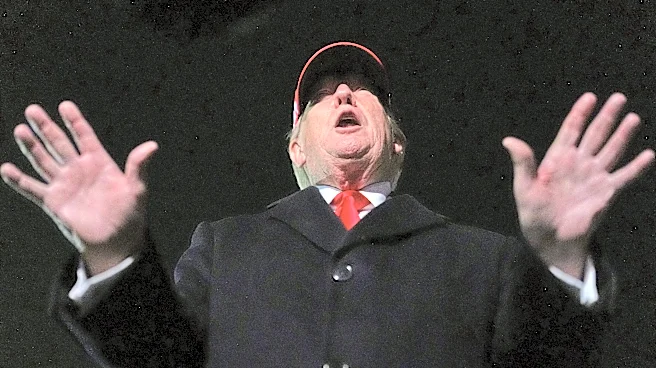
The White House has a long history of concealing the health issues of U.S. presidents, a practice that has come under scrutiny once again with President Trump's recent health disclosures. Despite boasting about his health, President Trump has been seen
with hand bruises and a neck rash, which the White House attributes to 'extensive handshaking' and a 'preventative skin treatment.' This secrecy is not new; past presidents like Grover Cleveland, Woodrow Wilson, Franklin D. Roosevelt, John F. Kennedy, and Ronald Reagan have also had their health issues hidden from the public. For instance, Cleveland underwent secret surgery for cancer, Wilson's stroke was concealed, and FDR's paralysis was downplayed. These historical precedents highlight a pattern of non-disclosure regarding presidential health.
Why It's Important?
The concealment of presidential health issues is significant as it raises questions about transparency and the public's right to know about the health of their leaders. The health of a president can directly impact their ability to govern effectively, and undisclosed health issues could lead to a lack of trust in the administration. This practice also poses ethical concerns about the manipulation of public perception and the potential for misleading the electorate. The ongoing scrutiny of President Trump's health disclosures underscores the importance of transparency in maintaining public confidence and ensuring informed decision-making by voters.
What's Next?
As the public becomes more aware of the historical pattern of concealing presidential health issues, there may be increased pressure on the White House to adopt more transparent practices. This could lead to calls for policy changes that mandate greater disclosure of presidential health information. Additionally, the media and public may continue to scrutinize President Trump's health, especially in the context of upcoming elections, to ensure that voters have a clear understanding of his fitness for office.
Beyond the Headlines
The issue of presidential health transparency also touches on broader themes of privacy versus public interest. While presidents, like any individuals, have a right to privacy, their role as public figures necessitates a balance between personal privacy and the public's right to know. This ongoing debate may influence future discussions on how to handle the health disclosures of public officials, potentially leading to new norms or regulations that better address these concerns.