




What's Happening?
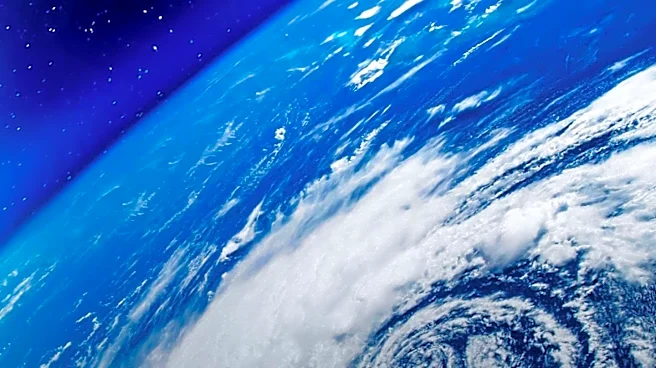
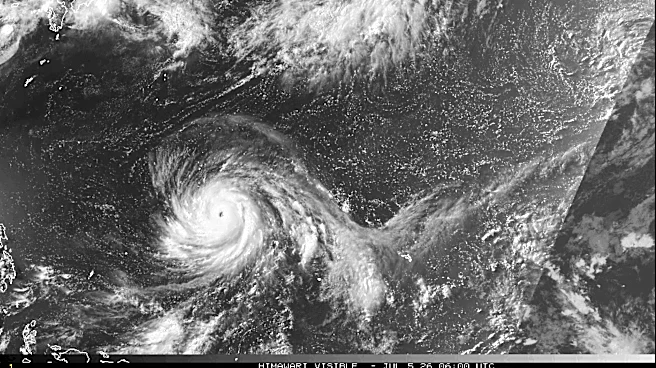
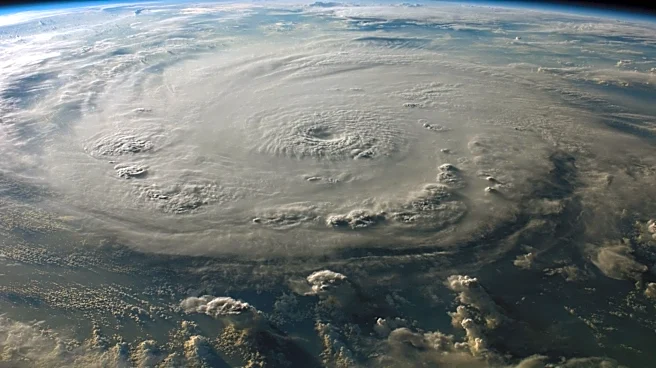
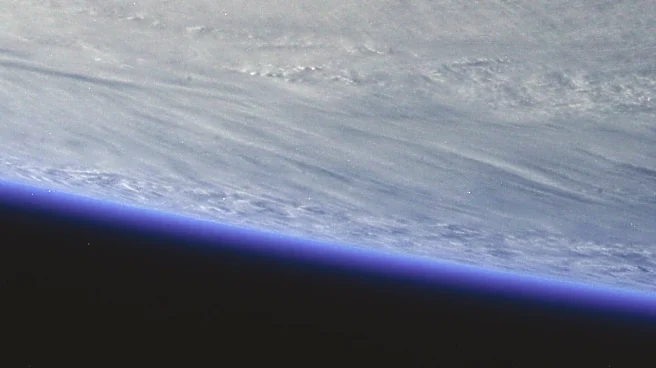
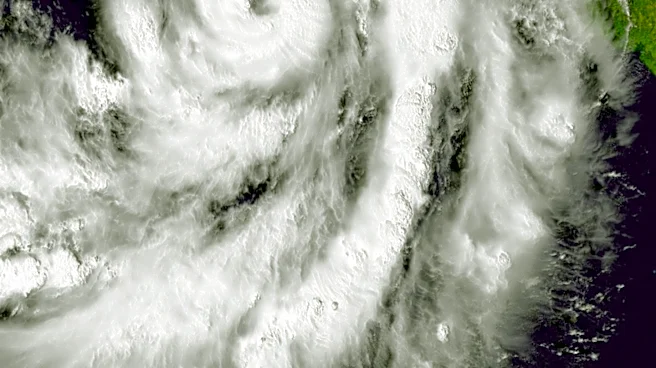
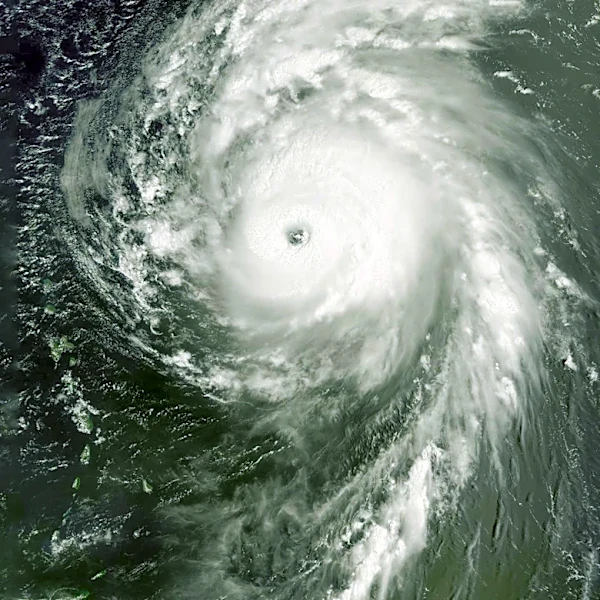
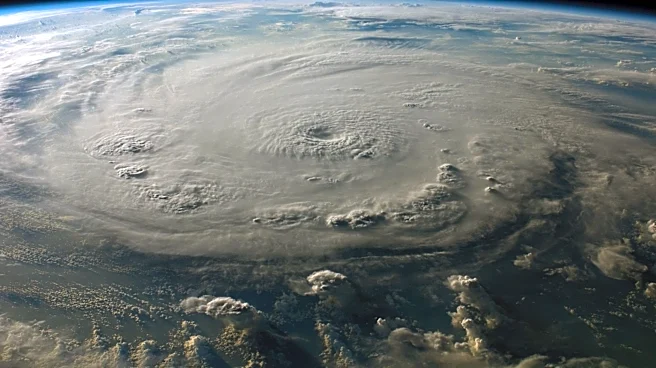
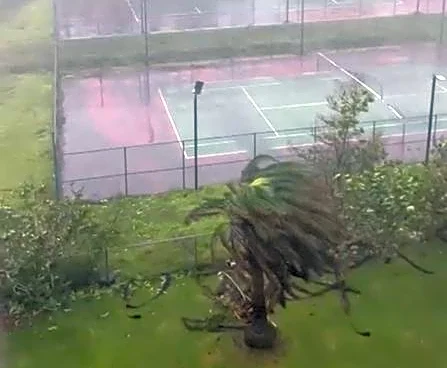
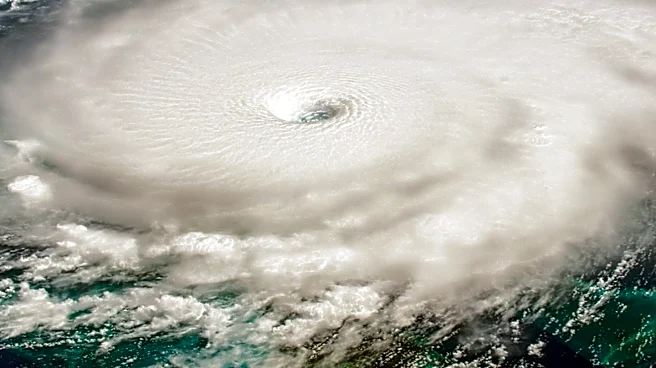
Super Typhoon Bavi made landfall over a U.S. territorial island near Guam, bringing powerful winds and heavy rain to the Northern Mariana Islands. The storm, classified as a Category 5 super typhoon, had winds reaching 180 mph and gusts up to 215 mph.
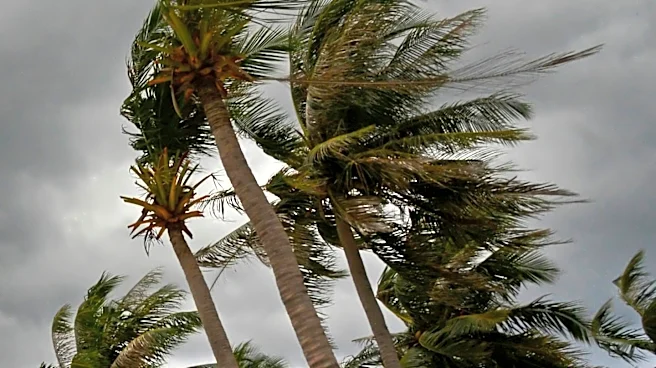
The eye of the storm passed over Rota, with significant impacts also felt in Saipan and Tinian, where many residents were already without power due to a previous cyclone. The National Weather Service issued warnings for typhoon and flash floods across the region, urging residents to stay indoors and away from windows due to the imminent danger posed by flying debris and downed power lines.
Why It's Important?
The impact of Super Typhoon Bavi is significant as it exacerbates the recovery efforts from previous cyclones in the region. The storm's intensity and the resulting damage highlight the vulnerability of U.S. territories in the Pacific to extreme weather events. This situation underscores the need for robust disaster preparedness and response strategies to protect lives and infrastructure. The economic and social implications are profound, as prolonged power outages and infrastructure damage can hinder recovery and affect the livelihoods of residents in these territories.
What's Next?
As the storm moves westward towards the Philippines, the affected areas in the Northern Mariana Islands and Guam will begin recovery efforts. Local governments and emergency services will likely focus on restoring power and clearing debris. The situation may prompt discussions on improving infrastructure resilience and emergency response capabilities in the face of increasingly severe weather patterns. Additionally, the U.S. federal government may need to provide support and resources to aid in the recovery process.