







What's Happening?
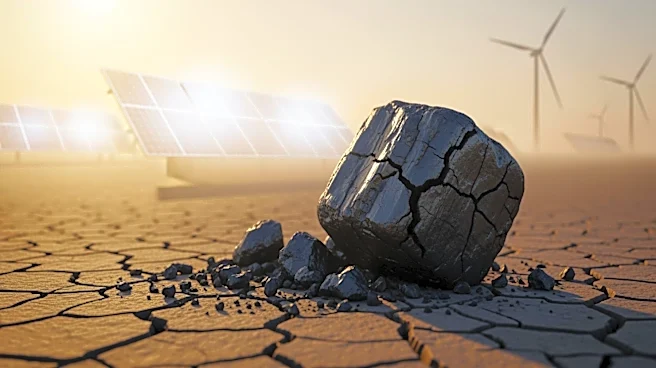
The Santa Marta climate talks in Colombia marked a significant moment in the global effort to transition away from fossil fuels. Nearly 60 countries participated in the conference, which focused on accelerating the shift to renewable energy. The talks emphasized
the need for a new global climate democracy, where high-ambition governments and civil society groups collaborate to decarbonize economies. The conference comes at a time of rising energy costs and geopolitical tensions, underscoring the urgency of reducing reliance on fossil fuels.
Why It's Important?
The Santa Marta talks represent a pivotal moment in the global climate movement, highlighting the growing momentum for renewable energy adoption. The conference's focus on collaboration and implementation could serve as a model for future climate negotiations. The shift away from fossil fuels is essential for addressing climate change and ensuring energy security. The outcomes of these talks could influence global energy policies and encourage other nations to join the transition.
What's Next?
Countries are expected to develop national roadmaps for phasing out fossil fuels, with a follow-up conference planned in Tuvalu. These plans will aim to integrate renewable energy into national strategies and address the economic impacts of the transition. Continued international cooperation and financial support will be crucial for achieving these goals.
Beyond the Headlines
The talks highlight the need for a just transition that considers the social and economic impacts on communities reliant on fossil fuel industries. The role of financial systems in supporting the transition is also a critical factor. The conference underscores the importance of science-led decision-making and the need for inclusive climate policies that prioritize vulnerable communities.