







What's Happening?
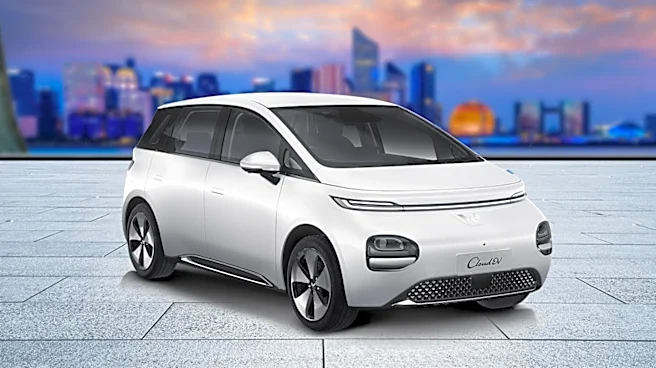
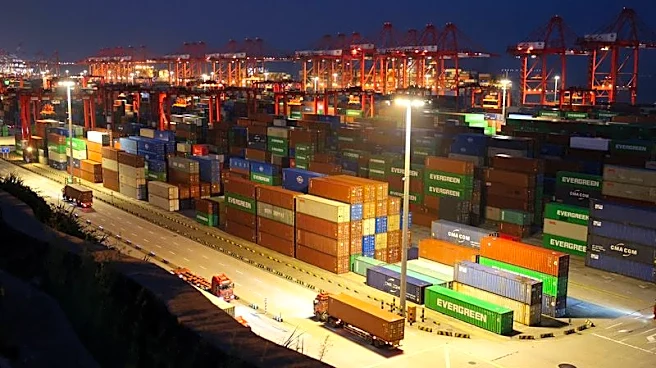
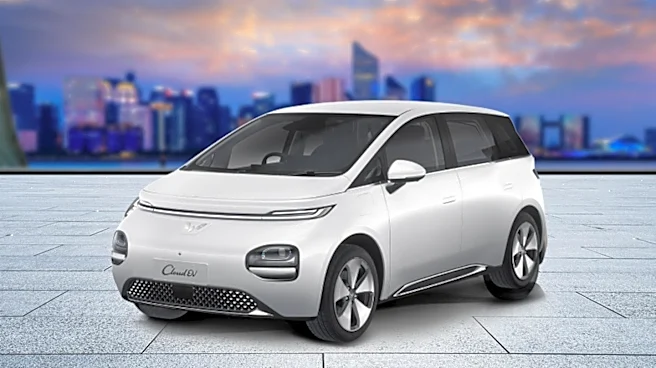
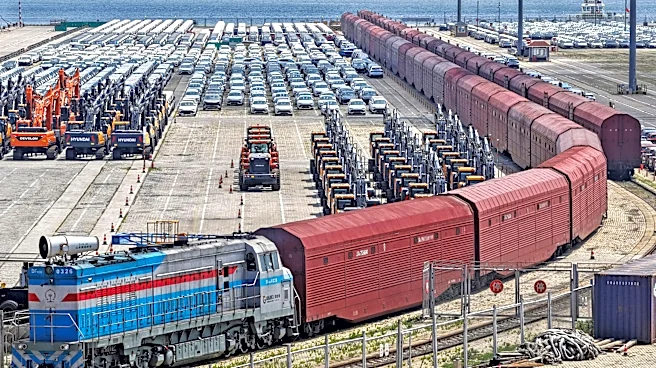
China's car exports have reached a new milestone, surpassing 1 million units in June, contributing to a 27% increase in overall overseas shipments. This surge in exports is part of a broader trend that has seen China maintain a significant trade surplus
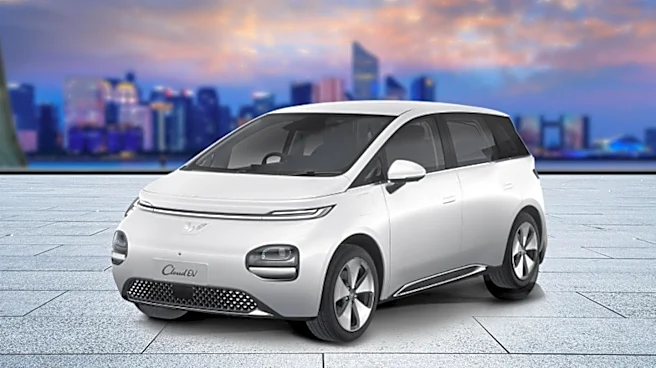
with the European Union (EU), amounting to €900 million per day in the first half of 2026. The increase in exports, particularly of electric and hybrid vehicles, has placed pressure on the European automotive industry, with companies like Volkswagen considering significant workforce reductions. The rise in exports is also driven by a global demand for integrated circuits amid an AI boom. Despite the ongoing trade tensions, China's export performance remains robust, partly due to suppressed domestic demand.
Why It's Important?
The surge in China's exports, especially in the automotive sector, poses significant challenges for both the U.S. and EU economies. The increased competition from Chinese electric vehicles threatens the market share of established European car manufacturers, potentially leading to job losses and economic restructuring within the industry. For the U.S., the trade dynamics with China could exacerbate existing tensions, particularly in light of past trade disputes. The situation underscores the strategic importance of trade policies and the need for the U.S. and EU to address the competitive pressures posed by China's export strategies. The broader implications for global trade relations and economic stability are significant, as countries navigate the complexities of international commerce in a rapidly changing economic landscape.
What's Next?
The EU is likely to engage in discussions with China to address the growing trade deficit and explore potential measures to protect its industries. This could involve negotiations on tariffs or other trade barriers to level the playing field. In the U.S., policymakers may consider revisiting trade agreements and strategies to mitigate the impact of China's export growth. The automotive industry, particularly in Europe, may need to accelerate innovation and restructuring efforts to remain competitive. Additionally, the global demand for integrated circuits suggests that technology sectors will continue to play a crucial role in shaping trade dynamics.