


What's Happening?
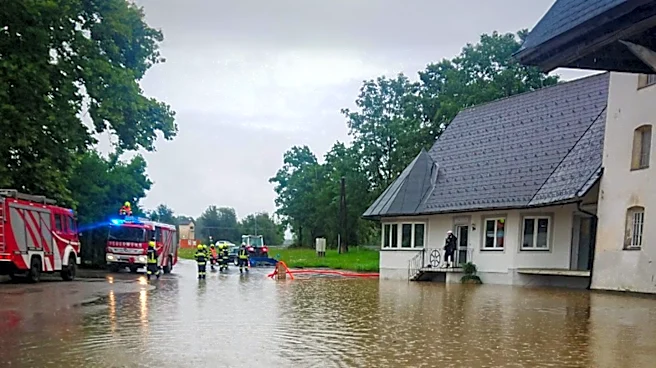
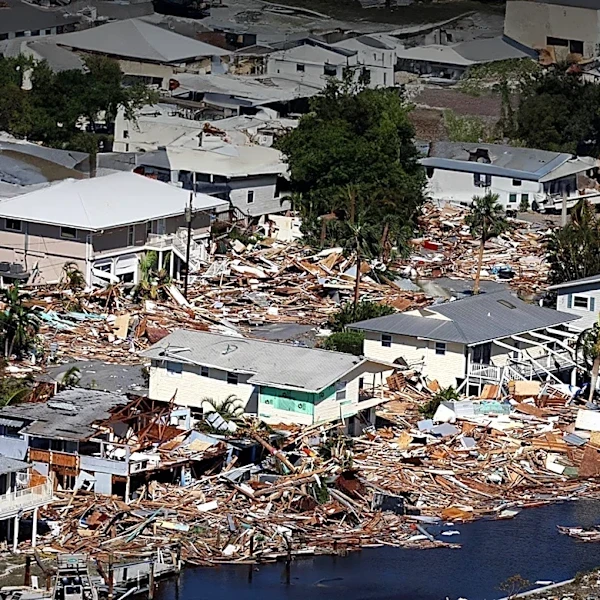
Recent widespread flooding across several U.S. states has resulted in hundreds of millions of dollars in economic and insured losses, according to a report from Aon. From October 31 to November 2, Arizona and Colorado experienced significant rainfall
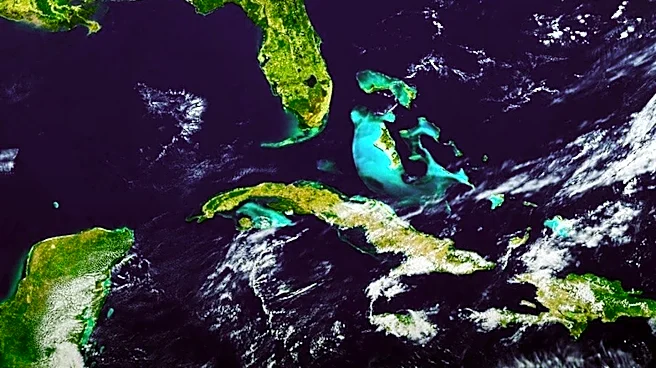
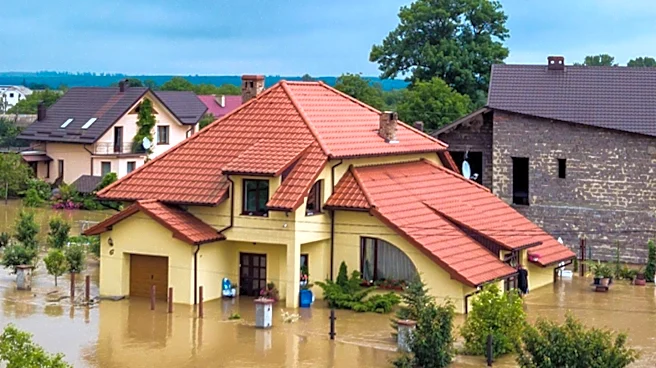
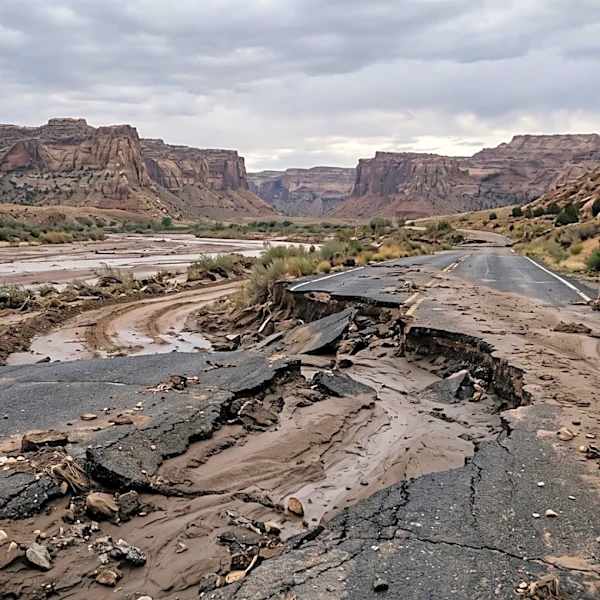
due to a low-pressure system originating in the Pacific Northwest. Flagstaff, Arizona, recorded 3.37 inches of rain on November 1, marking its third-highest daily total since records began, with a two-day total of 5.15 inches. Concurrently, heavy rainfall and flash flooding impacted the Florida peninsula from November 1-3, with southern Brevard County receiving over 24 inches of rain in approximately 24 hours. Additionally, storm clusters on November 4 affected the southern Appalachians, particularly Fannin and Gilmer counties in Georgia, where rainfall rates reached 2 to 3 inches per hour, accumulating 5 to 11 inches in total. The National Weather Service issued flash flood emergencies for several areas in Georgia, including McCaysville and Copperhill. Much of the damage in the Southwest and Appalachia has been to public infrastructure.
Why It's Important?
The substantial financial losses from these flooding events highlight critical vulnerabilities in U.S. infrastructure and insurance coverage. While economic and insured losses are projected to reach hundreds of millions, the insured share is expected to be a fraction of the total. This disparity is largely due to many residents outside designated flood zones lacking flood insurance, underscoring a significant gap in preparedness and risk mitigation. The damage to public infrastructure in affected regions will likely strain local and state budgets, potentially diverting funds from other essential services for recovery and repair efforts. For individuals, the lack of adequate flood insurance can lead to devastating personal financial burdens, hindering recovery and long-term stability. The recurring nature of such severe weather events also points to broader challenges in urban planning and climate resilience strategies across the nation.
What's Next?
Further loss development is anticipated as damage assessments continue across the affected regions. Local and state authorities will likely focus on immediate recovery efforts, including repairing damaged public infrastructure and assisting affected residents. The significant uninsured losses may prompt renewed discussions about expanding flood insurance coverage, particularly for properties outside traditional high-risk zones. Policymakers might consider initiatives to increase public awareness regarding flood risks and the importance of insurance. Additionally, there could be increased scrutiny on infrastructure resilience and the implementation of preventative measures to mitigate future flood impacts. Communities may also explore long-term strategies for adapting to more frequent and intense rainfall events, potentially involving updated zoning regulations and improved stormwater management systems.
Beyond the Headlines
These flooding events underscore a deeper issue related to evolving weather patterns and the adequacy of current risk assessment models. The occurrence of extreme rainfall, such as Flagstaff's record-setting day and Brevard County's extensive deluge, suggests a potential shift in precipitation intensity and distribution. This 'weather whiplash' pattern, characterized by extreme wet and dry seasons, complicates water management and flood prediction. The fact that many affected residents lack flood insurance, often because they are outside designated flood zones, reveals a systemic underestimation of flood risk in areas previously considered safe. This situation could lead to a reevaluation of how flood zones are defined and how insurance policies are structured, potentially expanding coverage requirements or incentivizing broader adoption of flood insurance. The long-term implications include increased pressure on federal disaster relief funds and a growing need for comprehensive, adaptive strategies to manage water resources and protect communities from increasingly unpredictable weather phenomena.