



What's Happening?
The U.S. Treasury Department has initiated 'Operation Economic Outcast,' a comprehensive strategy aimed at isolating Iran from the global economy. This offensive targets not only Iranian entities but also international networks that facilitate Iran's
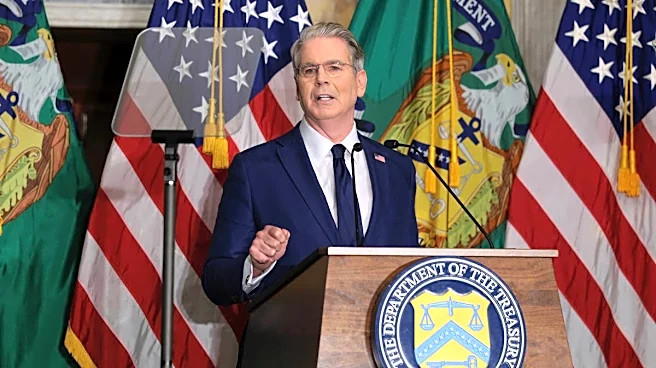
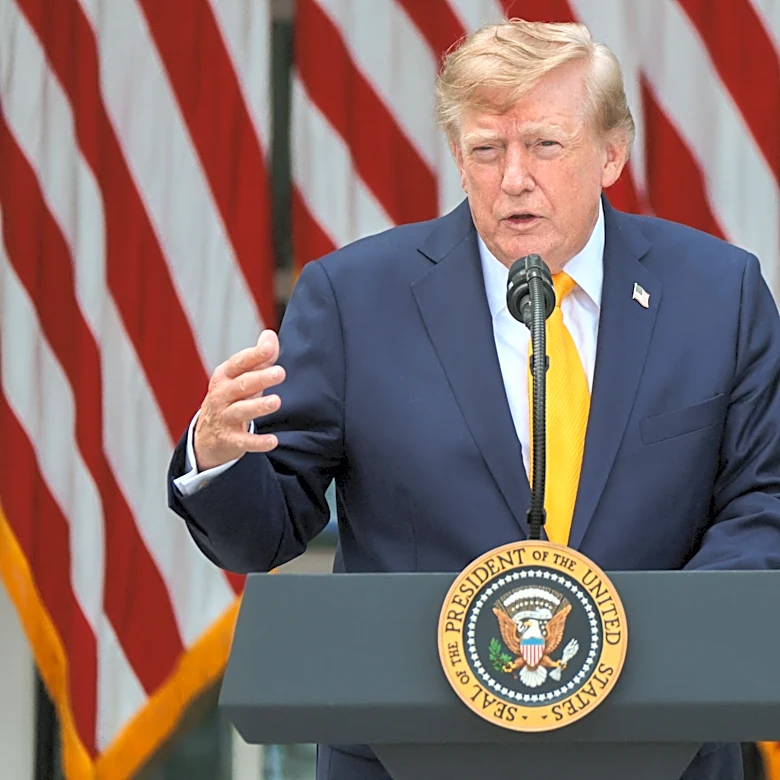
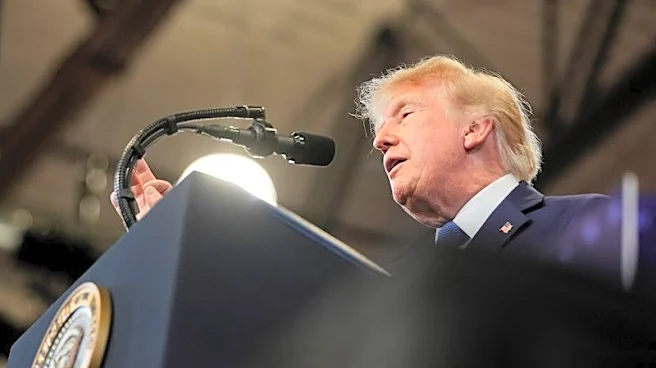
trade and financial activities, including those involved in oil sales, payment processing, and maritime operations used to circumvent sanctions. Treasury Secretary Scott Bessent stated the objective is to cut off every economic lifeline supporting the Iranian regime, pushing it towards 'complete global isolation.' The strategy expands the risk of sanctions to activities related to digital assets, technology, gold, aviation, and maritime transport. This move follows President Trump's earlier announcement of an 'Economic D-Day' against Iran, signaling a significant escalation in economic pressure.
Why It's Important?
This operation is important because it represents a heightened and broad-reaching effort by the U.S. to exert economic pressure on Iran, potentially impacting global trade and financial systems. By targeting third-party entities and countries that maintain economic ties with Iran, the U.S. is signaling a more aggressive stance, which could lead to significant disruptions in international commerce. The threat of excluding entities from the U.S. dollar system is a powerful tool that could compel foreign banks and businesses to cease dealings with Iran, even if transactions do not directly involve the U.S. This could force countries like China, Iraq, and Turkey, which have substantial trade relations with Iran, to choose between their economic ties with Iran and access to the U.S. financial system. The initiative underscores the U.S.'s commitment to its sanctions policy against Iran, with potential ripple effects across various sectors and geopolitical relationships.
What's Next?
The U.S. Treasury plans to initially warn governments and companies to modify their conduct regarding Iran before implementing harsher measures. Secretary Bessent indicated that the administration does not have 'infinite patience' and will proceed unilaterally if warnings are not heeded. A significant financial institution is expected to face sanctions before the end of the week, with a 'wave of sanctions' anticipated as the operation progresses. The Office of Foreign Assets Control (OFAC) has already sanctioned over 60 entities, individuals, and vessels globally for facilitating Iran's nuclear, missile, cyber, and oil revenue activities. This suggests a continuous and expanding application of sanctions, with further actions expected against any entity found to be supporting Iran's economic activities.
Beyond the Headlines
The 'Operation Economic Outcast' carries deeper implications beyond immediate economic sanctions. It highlights the U.S.'s willingness to leverage its financial dominance, particularly the centrality of the U.S. dollar in global transactions, to achieve foreign policy objectives. This approach could accelerate discussions among other nations about de-dollarization or the development of alternative financial systems to reduce vulnerability to U.S. sanctions. Ethically, the broad scope of these sanctions raises questions about their impact on civilian populations in Iran and the potential for unintended consequences on legitimate international trade. Legally, the extraterritorial application of U.S. sanctions could lead to disputes with countries that view these measures as infringements on their sovereignty. Culturally, increased isolation could further entrench anti-U.S. sentiment within Iran and among its allies, potentially complicating future diplomatic efforts.