




What's Happening?
Clump Point Coastcare, a volunteer community group, has launched a project to protect and expand native grasslands at Clump Point. This initiative, approved by the Djiru Board and Cassowary Coast Regional Council, aims to restore areas that were historically
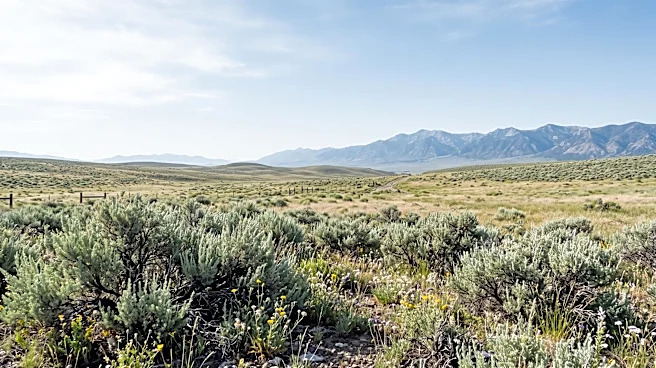
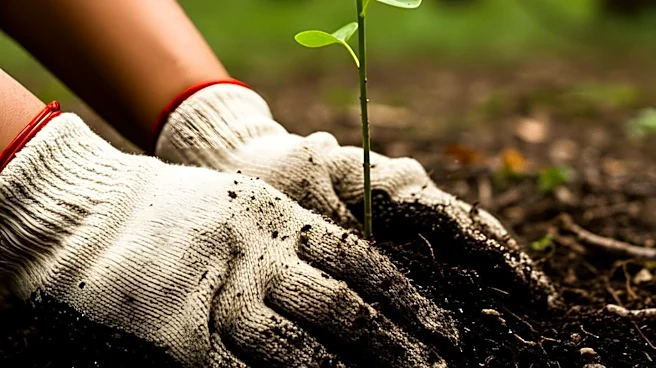
native grassland, maintained for thousands of years by the Djiru people. Much of this grassland has been overtaken by rainforest and invasive weeds like Guinea grass and Singapore daisy, leaving only small patches of native kangaroo grass and blady grass. Volunteers began removing weeds by hand on November 7, as fire is not currently used due to its potential to favor Guinea grass over native species. The project is starting with trials in selected areas, with plans to expand after refining their approach over the next year. Djiru Board member Peter Green highlighted the importance of this collaboration for both cultural and environmental values.
Why It's Important?
This restoration project is significant for several reasons. Environmentally, it addresses the decline of unique coastal volcanic ecosystems found only in this region and nearby Stephens Island, which are crucial for biodiversity. The re-establishment of native grasslands helps preserve these rare habitats and the species they support. Culturally, the project respects and restores an important part of Djiru Country, acknowledging the historical land management practices of the Djiru people. The collaboration between a community group, Indigenous traditional owners, and local government sets a precedent for cooperative conservation efforts. It also highlights the challenge of recognizing and funding grassland restoration in regions where such ecosystems are often overlooked, despite their ecological and cultural value.
What's Next?
Over the next year, Clump Point Coastcare will focus on conducting trials in specific areas of the grassland to refine their restoration techniques. This initial phase will involve careful monitoring and learning from the results of their weed removal efforts. Following successful trials and the development of an effective approach, the group plans to expand the restoration work to larger areas of the headland. Continued collaboration with the Djiru Board and Cassowary Coast Regional Council will be essential for the project's long-term success and for securing potential funding for broader restoration efforts. The community can participate in monthly working bees, which are held on the first Saturday of each month, excluding January and February.
Beyond the Headlines
The Clump Point grassland restoration project underscores a broader issue of ecological recognition and funding for specific ecosystems. While grasslands are acknowledged as important and eligible for restoration funding in many Australian regions, they are often overlooked in the Wet Tropics. This initiative could serve as a model for advocating for greater recognition and financial support for similar rare and vulnerable treeless grasslands in other areas. Furthermore, the project highlights the critical role of Indigenous knowledge and traditional land management practices in contemporary conservation efforts, demonstrating how integrating cultural values can enhance environmental outcomes. The success of this community-led, collaborative approach could inspire similar partnerships between local communities, Indigenous groups, and government bodies in other conservation challenges.