

What's Happening?
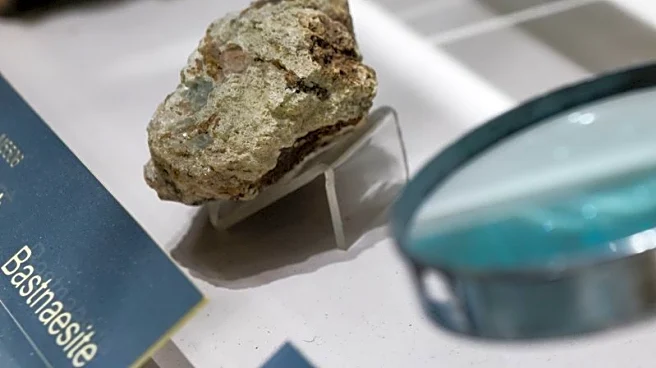
India is entering a decisive phase in its manufacturing and energy sectors, with a focus on electric mobility, renewable energy, and electronics. The country faces a critical challenge in securing rare earth elements and advanced materials, which are essential
for high-efficiency motors, wind turbines, and batteries. India currently imports over 80% of its rare earth requirements, and domestic demand is accelerating. The country generates significant e-waste, which contains recoverable materials, but the recycling ecosystem is underdeveloped.
Why It's Important?
The availability of rare earth elements and advanced materials is crucial for India's industrial expansion and energy transition goals. Securing these materials will enhance India's manufacturing resilience and reduce dependency on imports, which is vital for economic security. Developing a robust recycling ecosystem can transform waste into strategic assets, supporting sustainability and competitiveness. This shift is essential for India's long-term growth and its ability to meet global energy and manufacturing standards.
What's Next?
India is likely to focus on strengthening its recycling infrastructure and developing applied material research capabilities. This will involve collaboration between industry, academia, and policymakers to improve recovery yields and integrate secondary materials into supply chains. The government may introduce policies to support material security and encourage investment in recycling technologies. These efforts will be critical in positioning India as a leader in clean energy manufacturing and reducing its reliance on imported materials.