







What's Happening?
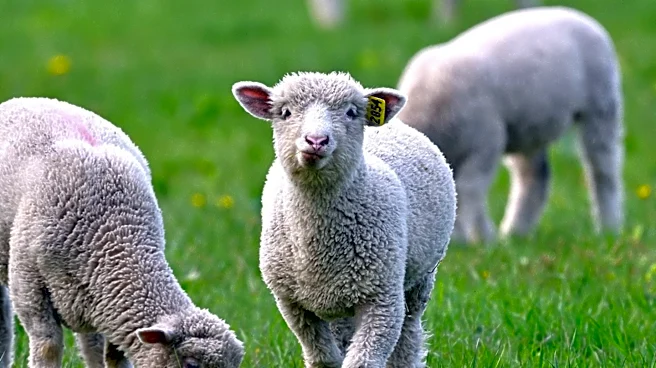
Ron Lewis, a professor of animal breeding and genomics at the University of Nebraska–Lincoln’s Institute of Agriculture and Natural Resources, is spearheading a new research project aimed at enhancing the robustness and climatic resilience of U.S. sheep
breeds. Funded by a $650,000 grant from the U.S. Department of Agriculture’s National Institute of Food and Agriculture (NIFA), the initiative will create a comprehensive database of genetic and performance data for major U.S. sheep breeds, including Katahdin, Polypay, Rambouillet, and Suffolk. The project involves collaborations with experienced sheep breeders across various U.S. climatic regions, Purdue University, and three USDA Agriculture Research Service centers. By integrating genetic datasets, researchers will evaluate traits such as lamb survival, ewe longevity, gastrointestinal parasitism, udder health, and resilience to environmental challenges. The goal is to provide producers with genomic-enhanced estimated breeding values (GEBV) to improve selection decisions and increase profitability. The project anticipates having genomic information for over 3,000 animals in each of the four breeds by its conclusion, complemented by performance data.
Why It's Important?
The U.S. sheep industry contributes nearly $6 billion annually to the national economy, with sheep farms outnumbering dairy cattle, pig, and broiler enterprises. This research is crucial for the industry's sustainability, as breeding robust animals capable of performing well under diverse climatic conditions is paramount. By providing more accurate GEBV, the project will empower producers to make better-informed breeding decisions, leading to healthier flocks and increased profitability. The focus on traits like climatic resilience and disease resistance will help mitigate economic losses due to environmental challenges and health issues. Furthermore, the project aims to train the next generation of scientists interested in sheep breeding, ensuring long-term competitiveness and advancement within the sector. This initiative directly supports the economic viability of thousands of sheep producers across the United States by enhancing the genetic quality of their livestock.
What's Next?
The project will continue to build sizable reference populations for the four targeted sheep breeds, aiming for over 3,000 animals with genomic information in each. This data will be used to generate reliable genomic-enhanced estimated breeding values (GEBV), which will then be made available to sheep producers. The research team will integrate genetic data sets to comprehensively evaluate robustness and climatic resilience traits. The findings are expected to improve producers' understanding of key traits affecting profitability and enable more effective selection decisions. Additionally, the project is committed to providing training opportunities for future scientists in sheep breeding, ensuring a pipeline of expertise for the industry. The ongoing collaboration with experienced breeders and research institutions will facilitate the practical application of the research findings.
Beyond the Headlines
This research represents a significant step towards integrating advanced genetic technologies into traditional agricultural practices. The development of a comprehensive genetic database for sheep not only addresses immediate industry needs but also sets a precedent for similar initiatives in other livestock sectors. The emphasis on 'robustness' and 'climatic resilience' reflects a growing awareness of environmental challenges and the need for sustainable agricultural practices in the face of climate change. By focusing on these traits, the project contributes to food security and the long-term viability of animal agriculture. The training component also highlights the importance of scientific literacy and innovation in modern farming, fostering a more data-driven and technologically advanced approach to livestock management. This initiative could serve as a model for how academic research, government funding, and industry collaboration can drive significant advancements in agricultural productivity and sustainability.