





What's Happening?
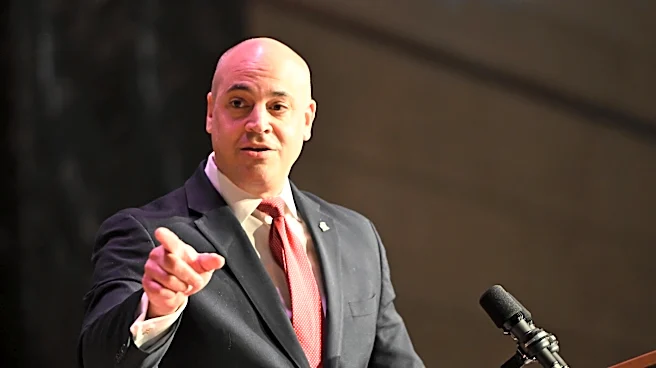
Fourteen individuals, primarily current or former Penn State University students, have been charged in connection with an alleged cocaine trafficking operation. The Pennsylvania Attorney General, Dave Sunday, announced the charges, stating that the operation involved
two off-campus Greek organizations, Delta Upsilon and Sigma Chi, during 2023 and 2024. Thirteen of the defendants were students at the time of the alleged crimes, with at least four still currently enrolled. The investigation alleges that senior fraternity members, Agostino Abbatiello and Thomas Robinson, led the operation, making regular trips to Philadelphia and New York to acquire large quantities of cocaine. The drugs were then reportedly cut and packaged primarily at the Delta Upsilon and Sigma Chi fraternity houses, with some pledges allegedly being indoctrinated into the fraternities by participating in these activities. The cocaine was subsequently distributed to Penn State students. The charges range from felony corrupt organizations and conspiracy for the alleged leaders to misdemeanor counts of possession for other student-aged defendants. One defendant, the father of a student, is accused of tampering with evidence and hindering the investigation.
Why It's Important?
This case highlights significant concerns regarding drug trafficking within university communities and the potential for criminal activity to infiltrate student organizations. The alleged involvement of fraternity pledges in cutting and packaging cocaine as a form of 'indoctrination' raises serious questions about hazing practices and the oversight of Greek life, particularly for off-campus chapters. The Attorney General described the operation as an 'upper-level trafficking organization for this region in Pennsylvania,' indicating a sophisticated and profitable criminal enterprise. The incident could lead to increased scrutiny of fraternity culture and drug enforcement efforts on and around college campuses nationwide. For Penn State University, the allegations have prompted immediate action, including the interim suspension of Delta Upsilon and a review of its organizational conduct processes. The university's response and any subsequent policy changes could set a precedent for how other institutions address similar issues, impacting student safety, campus reputation, and the future of Greek organizations.
What's Next?
Penn State University has placed Delta Upsilon on interim suspension as its Office of Student Accountability and Conflict Response investigates the allegations. The university will address the charges through individual student conduct processes for current students and organizational conduct processes for Delta Upsilon. Sigma Chi, which is not recognized by the university, operates outside its direct oversight. The university is also moving to enhance its educational and hazing prevention efforts, particularly during the initial weeks of the semester. Delta Upsilon's international fraternity has stated that individuals with ties to the fraternity who were involved have been expelled or suspended if they did not resign. Sigma Chi's executive director has indicated that the three charged members have been suspended and that the Penn State chapter's operations are suspended pending an internal investigation. The legal proceedings for the 14 charged individuals will continue, with the majority of those facing felony charges having already been arraigned. Further details regarding the extent of the drug distribution and any additional individuals involved may emerge as the investigations progress.
Beyond the Headlines
The alleged cocaine trafficking ring at Penn State University, particularly the reported involvement of fraternity pledges in drug preparation, exposes a darker side of collegiate social life and the potential for exploitation within Greek organizations. This incident transcends a simple drug bust, touching upon issues of hazing, peer pressure, and the vulnerability of young adults to criminal enterprises. The Attorney General's statement that cutting and packaging cocaine was an 'indoctrination' for some pledges suggests a systemic problem that goes beyond individual misconduct, hinting at a culture where illegal activities might have been normalized or even encouraged within certain social structures. This case could prompt a broader re-evaluation of the responsibilities of universities and national fraternity organizations in monitoring and regulating off-campus chapters, as well as the effectiveness of current anti-hazing and drug prevention programs. The long-term implications could include stricter regulations for Greek life, enhanced law enforcement presence around college towns, and a renewed focus on student welfare and ethical conduct within higher education.