





What's Happening?
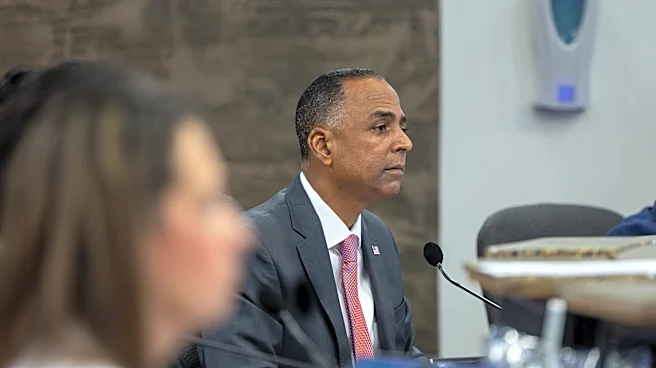
The Bangor City Council is deliberating on providing financial assistance to the Together Place Peer Run Recovery Center, which closed its day center and meals program last month due to a lack of funds. The center, located at 2 Second St., previously
offered a drop-in space and low-cost hot lunches, along with recovery support groups for 20 to 50 individuals daily. The organization needs approximately $64,000 more to reach its $220,000 fundraising goal to reopen. Councilors have requested a proposal from the Together Place outlining how monthly city payments could be used to restore services and implement accountability measures. The potential funding sources include unspent opioid settlement funds and the city's unassigned fund balance, though some councilors expressed discomfort with using the latter for a non-governmental agency.
Why It's Important?
The potential reopening of the Together Place recovery center is crucial for Bangor, as it provides vital services to community members struggling with mental illness and substance use disorders. Its closure has reportedly led to an increase in panhandling, public drug use, and strain on emergency services and downtown businesses. The debate among councilors highlights the complex challenge cities face in supporting essential social services, particularly when non-profits encounter financial difficulties. The discussion also brings to light the allocation of opioid settlement funds, intended for addressing the opioid epidemic, and whether these funds should prioritize existing recovery centers or new programs like the proposed housing navigation initiative. The decision will impact the city's approach to public health, homelessness, and downtown revitalization.
What's Next?
The Together Place is currently preparing a proposal for the city council, which is expected to be considered at the government operations committee meeting on September 9. If approved by the committee, it could then go to the full council for a vote on September 14. The proposal will likely detail how the center plans to use city funds, including potential additional services and accountability measures. Councilors are also considering building 'guardrails' into any agreement, allowing the city to reduce its contributions if the nonprofit secures other funding. The outcome will determine whether the Together Place can resume its operations and continue to serve vulnerable residents in Bangor, and how the city will prioritize its limited opioid settlement funds.
Beyond the Headlines
This situation in Bangor underscores a broader national issue concerning the sustainability of community-based recovery programs and the role of municipal governments in supporting them. The debate over funding sources, particularly opioid settlement funds, reflects the ongoing challenge of effectively deploying resources to combat the opioid crisis. It also highlights the tension between immediate community needs and concerns about financial oversight and long-term viability of non-profit organizations. The argument that existing recovery centers have established relationships with vulnerable populations, making them more effective than new programs, raises questions about the most impactful strategies for public health interventions. The city's decision will set a precedent for how it balances fiscal responsibility with its commitment to addressing social and public health crises.