







What's Happening?
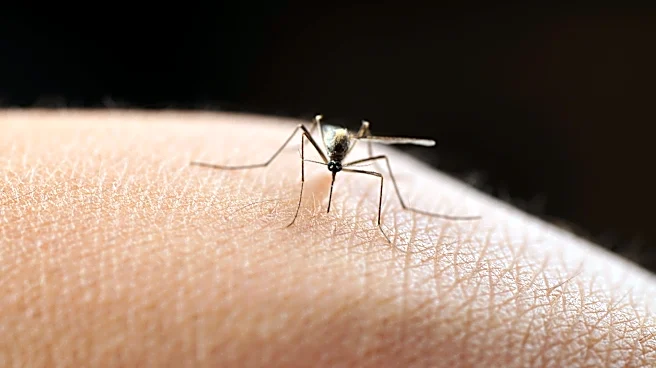
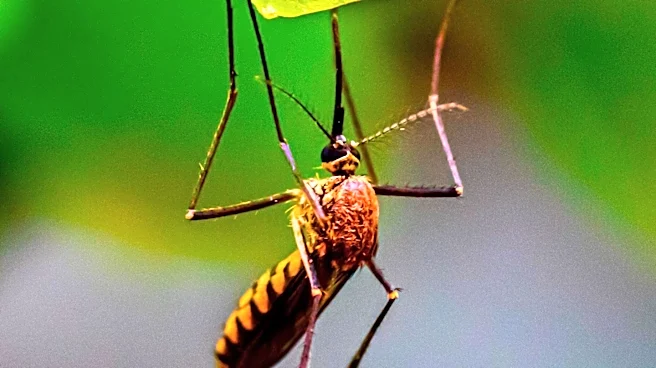
Climate change is significantly altering the distribution and prevalence of vector-borne diseases, primarily by expanding mosquito habitats into temperate regions. This environmental shift allows mosquitoes to survive for longer periods and breed more
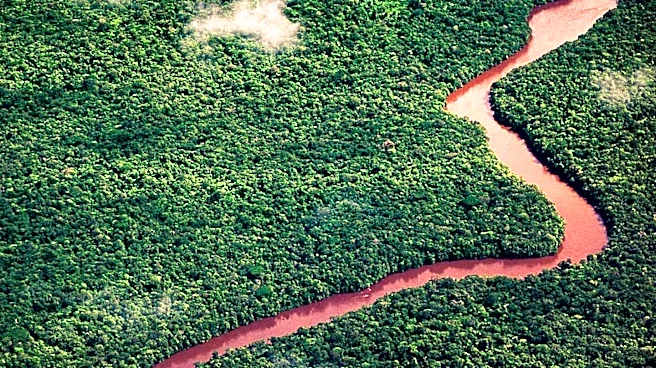
frequently, consequently increasing the risk of diseases such as malaria and dengue. In the Amazon, the impacts of climate change are exacerbating existing vulnerabilities, including inadequate housing and limited access to healthcare workers, which makes communities more susceptible to vector-borne diseases. Similarly, in Europe, new threats like West Nile virus and Dengue are emerging. This rise is attributed to a combination of climate change, increasing urbanization, international travel, and various environmental factors. These changes highlight a growing public health challenge as regions previously less affected by these diseases now face increased exposure.
Why It's Important?
The expansion of vector-borne diseases into temperate regions poses a significant public health challenge for the United States. As mosquito populations thrive in previously unsuitable climates, there is an increased potential for outbreaks of diseases like dengue and West Nile virus in new geographic areas. This shift could strain healthcare systems, particularly in regions unprepared for such diseases, requiring new public health initiatives and resource allocation for surveillance, prevention, and treatment. Economically, increased disease prevalence could lead to higher healthcare costs, lost productivity due to illness, and potential impacts on tourism in affected areas. Vulnerable populations, including the elderly, young children, and those with compromised immune systems, stand to lose the most, facing higher risks of severe illness and mortality. The agricultural sector could also be indirectly affected if changes in climate impact vector control efforts or if human health crises divert resources.
What's Next?
To mitigate the growing risks associated with climate change-linked vector diseases, several next steps are crucial. Public health agencies will likely need to enhance surveillance systems to track mosquito populations and disease incidence in newly affected temperate regions. This will involve increased funding for entomological studies and epidemiological monitoring. Furthermore, there will be a greater emphasis on developing and implementing effective vector control measures, which may include expanded mosquito abatement programs, community-level interventions, and public awareness campaigns about personal protection. Housing improvements, particularly in vulnerable communities, will also be critical to reduce mosquito breeding sites and human exposure. International collaboration on research and data sharing will become increasingly important to understand and combat the global spread of these diseases, potentially leading to new policy frameworks for climate adaptation in public health.
Beyond the Headlines
The rise of climate change-linked vector diseases extends beyond immediate health concerns, touching upon deeper ethical and societal implications. It highlights global health inequities, as communities with fewer resources often bear a disproportionate burden of disease despite contributing less to climate change. This situation could trigger debates on climate justice and the responsibility of developed nations to support adaptation efforts in more vulnerable regions. Legally, there may be increased pressure for stronger environmental regulations and international agreements to curb greenhouse gas emissions, as the direct link between climate change and public health becomes more undeniable. Culturally, there could be shifts in lifestyle and public perception, with greater awareness of environmental impacts on daily life and potentially increased demand for sustainable practices. This development underscores the interconnectedness of environmental health, human health, and global socio-economic stability, signaling a long-term shift in how societies approach public health preparedness and environmental stewardship.