



What's Happening?
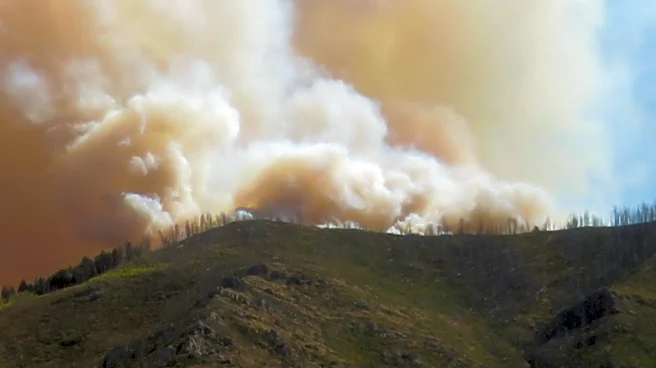
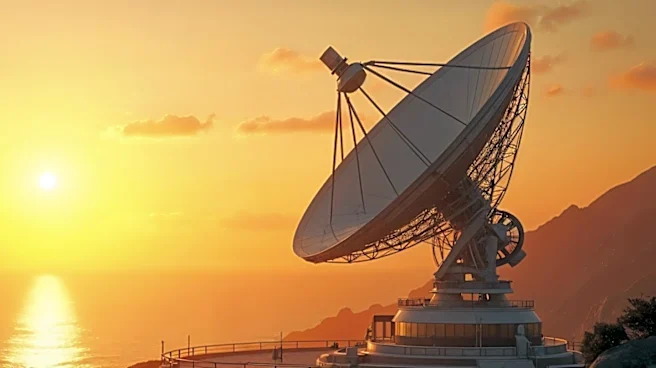
A wildfire has swept through NASA's Madrid Deep Space Communications Complex, threatening six major radio antennas crucial for interplanetary communication. The complex, part of NASA's Deep Space Network (DSN), is one of three global sites that maintain
contact with spacecraft. The fire has forced the evacuation of 90 personnel, and the extent of damage to the antennas is currently unknown. The Madrid station plays a critical role due to its unique geographic position, which allows continuous communication handoffs as Earth rotates. NASA has shifted communication duties to its Goldstone complex in California, but this adds strain to an already overburdened system.
Why It's Important?
The loss of the Madrid station exacerbates existing capacity issues within NASA's Deep Space Network, which was already operating at peak capacity. The DSN is vital for maintaining communication with numerous spacecraft, including the Voyager probes and Mars rovers. With the Madrid station offline, the network's ability to manage these communications is significantly reduced, potentially impacting mission operations and data collection. This situation highlights the vulnerability of critical infrastructure to climate-driven events like wildfires, which are becoming more frequent and severe.
What's Next?
NASA will need to assess the damage to the Madrid complex once it is safe to do so. In the meantime, the agency will continue to rely on its remaining stations in California and Australia to manage communications. This incident may prompt NASA to accelerate its Deep Space Network Aperture Enhancement Project, which aims to increase network capacity. Additionally, the situation underscores the need for contingency planning to address the increasing risk of climate-related disruptions to critical infrastructure.
Beyond the Headlines
The wildfire at the Madrid station is part of a broader trend of increasing wildfire activity in Europe, driven by climate change. This incident may lead to a reevaluation of how such facilities are protected and managed in the face of environmental threats. The event also raises questions about the sustainability of current infrastructure and the need for investment in more resilient systems to ensure the continuity of space exploration missions.