





What's Happening?
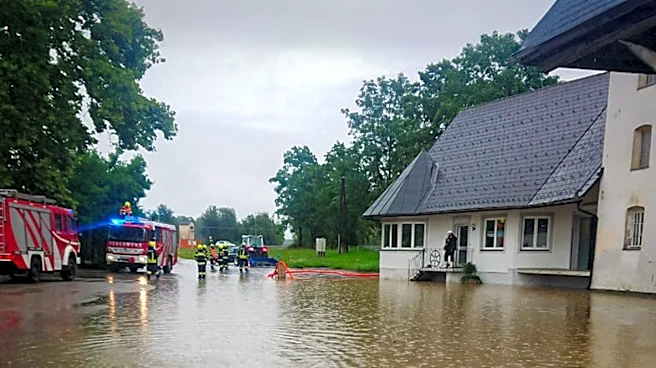
The City of Golden, Colorado, has outlined comprehensive flood safety and preparedness measures, emphasizing that flooding is a common natural hazard in the area, primarily caused by intense cloudburst storms between May and September. The city has a history
of significant flood events, including those in 1888, 1965, and 2004, affecting areas like Clear Creek, Tucker Gulch, and Arapahoe Gulch. Flooding can originate from various sources, including Clear Creek, several gulches (Cressman, Tucker, Kenney Run, Lena, Arapahoe, Deadman), irrigation ditches, and urban street runoff during heavy rainfall. The Mile High Flood Control District (MHFCD) maintains a regional flood warning system, and residents are advised to monitor NOAA Weather Radio and local news for alerts. Standard homeowner's insurance policies typically do not cover flood damage, but residents can purchase separate flood insurance through the National Flood Insurance Program (NFIP) due to Golden's participation. A 30-day waiting period applies before coverage becomes effective, and flood insurance is available regardless of prior flood history or property location.
Why It's Important?
This detailed guidance from the City of Golden is crucial for public safety and property protection in a region prone to significant flood events. The emphasis on understanding flood alert terminology—Flood Watch, Flash Flood Watch, Flood Warning, and Flash Flood Warning—empowers residents to take timely action, potentially saving lives and mitigating property damage. The information regarding flood insurance is particularly vital, as many homeowners may be unaware that standard policies exclude flood damage, leaving them financially vulnerable. By highlighting the 26% chance of flooding over a 30-year mortgage in a Special Flood Hazard Area, compared to a 1-2% chance of a house fire, the city underscores the significant, yet often underestimated, risk of flooding. This awareness can drive greater adoption of flood insurance and proactive property protection measures, reducing the economic burden on individuals and the community during and after flood disasters. Furthermore, the city's efforts to maintain its stormwater drainage system and encourage resident participation in keeping waterways clear are essential for collective flood risk reduction.
What's Next?
Residents of Golden are encouraged to create household emergency plans, document home contents, and store records in safe locations. Before a flood, monitoring weather radios and local news for alerts is critical. During a flood, the primary directive is to avoid walking or driving through floodwaters and to stay away from downed power lines. After a flood, residents should listen to local news for water safety information, avoid damaged roadways, and only return home when authorities deem it safe. Property owners planning any construction or land disturbance, including new development or remodeling, must contact the City of Golden Engineering Division to obtain a Floodplain Development Permit. This ensures that structures are protected from flood damage and that development does not exacerbate flood risk for neighboring properties. The Engineering Division also offers free Floodplain Determinations for properties, providing information on mapped floodplains, floodways, and historical flooding. The city will continue its Stormwater Drainage Maintenance Program, and residents are urged to report dumping or debris to the Code Enforcement Office.
Beyond the Headlines
The City of Golden's comprehensive approach to flood preparedness extends beyond immediate safety measures, delving into the long-term benefits of floodplains and the regulatory framework for development within these areas. By highlighting that floodplains reduce damage, improve water quality, and provide wildlife habitat and open space, the city promotes a holistic understanding of these natural systems. This perspective encourages residents to view floodplains not just as hazards but as valuable ecological and recreational assets, such as the Clear Creek Whitewater Park. The requirement for Floodplain Development Permits and adherence to specific construction standards, like elevating new residential buildings one foot above the 100-year water surface elevation, reflects a proactive strategy to integrate flood resilience into urban planning. This regulatory framework aims to prevent future disasters by ensuring that development is sustainable and does not increase the vulnerability of the community to flooding, fostering a culture of preparedness and environmental stewardship.