



What's Happening?
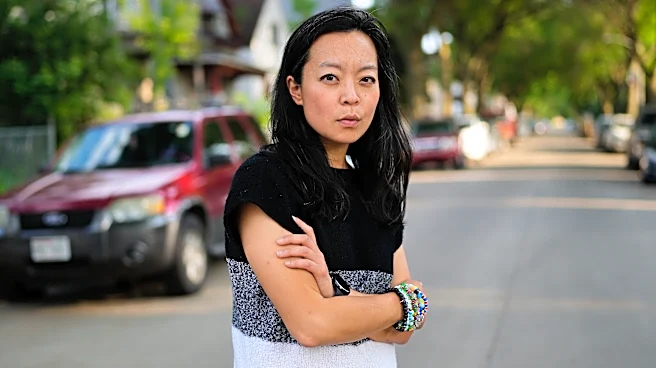
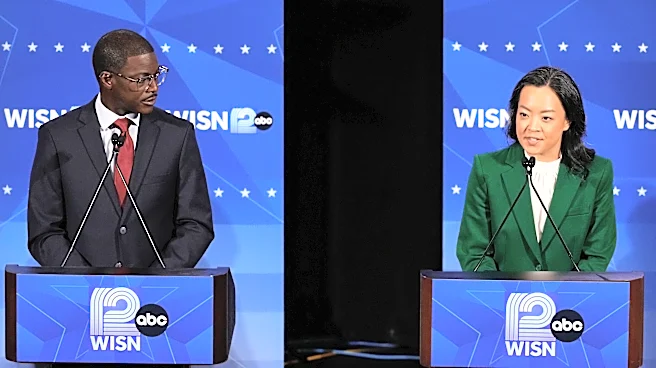
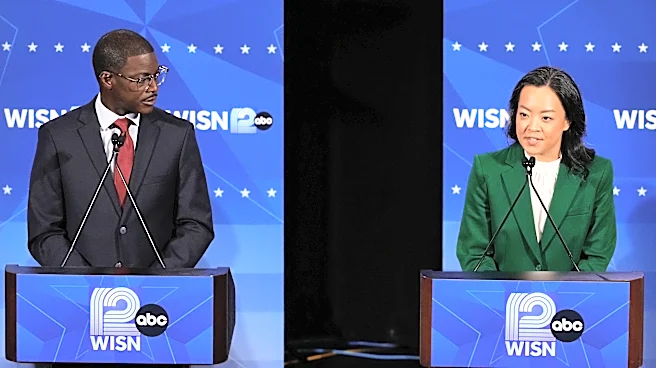
The Democratic primaries in Wisconsin and Minnesota are showcasing a significant ideological divide within the party. In Wisconsin, state Rep. Francesca Hong, a democratic socialist, is leading the race for the gubernatorial nomination, while in Minnesota,
Lt. Gov. Peggy Flanagan is competing for a Senate seat against centrist Rep. Angie Craig. These contests are part of a broader trend where left-wing candidates are challenging more traditional Democrats. The outcomes of these primaries could influence the Democratic Party's strategy and positioning in future elections, particularly in swing states like Wisconsin, which are crucial for the party's national ambitions.
Why It's Important?
The primaries in Wisconsin and Minnesota are pivotal for the Democratic Party as they navigate internal divisions and strategize for upcoming elections. The success of left-wing candidates like Francesca Hong could signal a shift in the party's base towards more progressive policies, potentially impacting the party's appeal in general elections. These races also have implications for the control of state legislatures and the redrawing of electoral maps, which could affect the balance of power in Congress. The outcomes will be closely watched as indicators of the party's direction and its ability to unify diverse factions.
What's Next?
The results of these primaries will set the stage for the general elections, where Democrats aim to gain control of key state positions and influence national politics. The party will need to reconcile the differing ideologies within its ranks to present a cohesive platform to voters. The primaries also serve as a precursor to the 2028 presidential election, with Wisconsin being a critical battleground state. The Democratic Party's ability to win in these states will be crucial for their strategy to regain the White House and secure a majority in Congress.