





What's Happening?
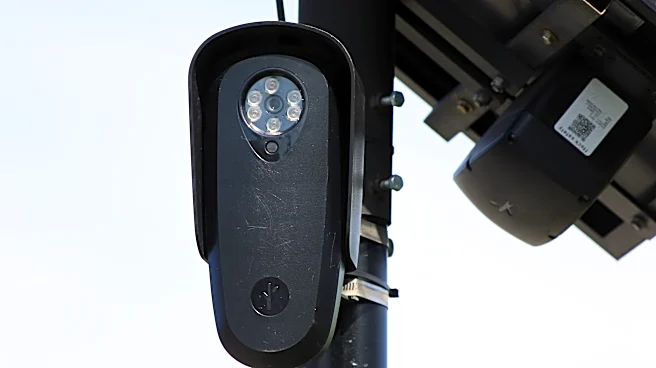
Two police officers in Lynn, Massachusetts, have been placed on paid administrative leave following an internal audit of the department's license plate reader technology, including systems from Flock Safety. The audit, initiated on August 12 with Flock Safety’s
Audit Assist tool, revealed a "concerning pattern in some searches." While the department has not identified the officers or detailed the specific searches under investigation, it confirmed that none of the flagged searches involved immigration enforcement. In response to these findings, the Lynn Police Department has restricted access to the Flock system to supervisory personnel at the rank of lieutenant or higher, pending a comprehensive review of its license plate reader policy. This development follows broader concerns regarding privacy and potential misuse of Flock Safety cameras, with several other Massachusetts communities, including Hopkinton, New Bedford, Littleton, Salem, Framingham, and Cambridge, having either terminated, paused, or allowed contracts with Flock Safety to expire due to similar issues or legal non-compliance.
Why It's Important?
The placement of Lynn police officers on leave and the subsequent restriction of access to the Flock Safety system underscore growing concerns about data privacy and accountability in law enforcement technology. The incident highlights the challenges municipalities face in balancing public safety needs with individual privacy rights, particularly with advanced surveillance tools like license plate readers. The actions taken by Lynn, along with other Massachusetts communities severing ties with Flock Safety, signal a potential shift in how such technologies are adopted and regulated at the local level. This trend could lead to increased scrutiny of vendor contracts, demand for more robust auditing tools, and stricter policies governing data access and retention. For residents, it raises questions about the extent of surveillance and the safeguards in place to prevent misuse of personal data collected by police departments. The situation also puts pressure on technology providers like Flock Safety to enhance their privacy and accountability features to maintain public trust and secure future municipal contracts.
What's Next?
The Lynn Police Department will proceed with an Internal Affairs investigation into the officers placed on leave and will conduct a review of its license plate reader policy, with access to the Flock system currently limited to supervisory staff. Hopkinton has already terminated its contract with Flock Safety, ordering the deactivation and removal of cameras, and plans a broader review of police technology, including privacy protections and oversight. Other communities like New Bedford and Littleton are also reviewing or pausing their use of Flock systems. These actions suggest a trend towards more rigorous evaluation of law enforcement technology contracts across Massachusetts. Flock Safety, in response to mounting privacy concerns, has announced new measures to strengthen privacy, accountability, and security, including an auditing tool for abnormal search, reduced data retention to one week, and increased local control over data sharing. The American Civil Liberties Union of Massachusetts, which noted that at least 80 police departments in the state had active contracts with Flock Safety in July, will likely continue to monitor these developments and advocate for stronger privacy safeguards.
Beyond the Headlines
The controversy surrounding Flock Safety's license plate readers in Massachusetts points to a deeper societal debate about the role of surveillance technology in modern policing and its implications for civil liberties. While proponents argue these systems are vital tools for crime solving and public safety, critics, including the ACLU, raise significant concerns about mass surveillance, potential for abuse, and the erosion of privacy. The incidents in Lynn and other towns highlight the tension between technological advancement and ethical governance. The move by Flock Safety to implement new privacy measures, such as reduced data retention and enhanced auditing tools, suggests that public and governmental pressure can influence corporate practices in the surveillance industry. This ongoing dialogue could shape future legislation and policy frameworks for how law enforcement agencies acquire, deploy, and oversee surveillance technologies, potentially setting precedents for other states and municipalities grappling with similar issues.