


What's Happening?
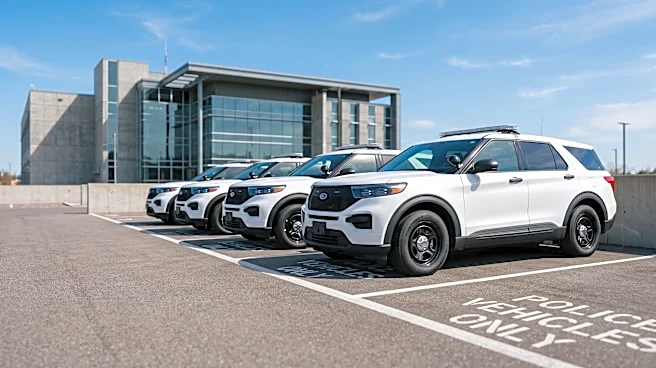
The Little Rock Fraternal Order of Police (FOP) has launched a 30-day social media campaign to highlight the delay in deploying 36 new patrol SUVs. Despite the Little Rock Board of Directors unanimously approving the purchase of these vehicles, they are
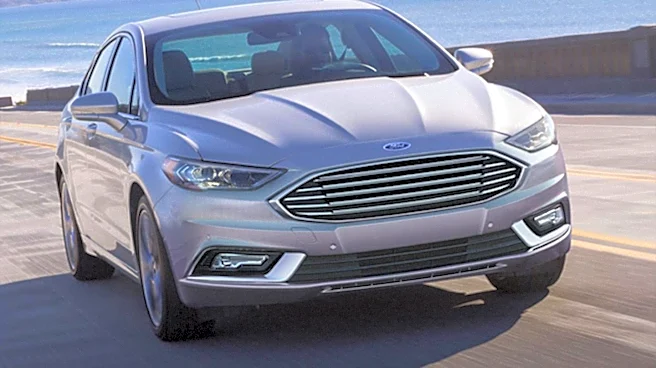
not yet on the street. Officers are currently driving older, high-mileage vehicles, with 55 of the city’s 192 marked patrol SUVs exceeding 100,000 miles, and 27 having over 150,000 miles. Additionally, 33 vehicles are past their scheduled replacement date. The new hybrid Ford Police Interceptors are awaiting 'upfitting,' a process that involves installing lights, sirens, radios, and other essential police equipment. The FOP notes that the previous batch of 45 SUVs took 287 days to complete the upfitting process, suggesting that some of the new vehicles might not be operational until next year. The city, police department, and City Board have not yet provided comment on the situation.
Why It's Important?
This delay in deploying new patrol vehicles has significant implications for public safety and police operations in Little Rock. The continued use of high-mileage vehicles can lead to increased maintenance costs, reduced reliability, and potential safety concerns for officers. An aging fleet may also impact response times and the overall effectiveness of law enforcement. For the community, this situation could translate to a perceived decrease in police presence or slower responses to emergencies, potentially eroding public trust. The FOP's social media campaign aims to draw attention to these issues, putting pressure on city officials to expedite the upfitting process. The situation highlights a common challenge faced by municipal police departments in managing fleet upgrades and ensuring officers have the necessary resources to perform their duties effectively.
What's Next?
The Little Rock Fraternal Order of Police will continue its 30-day social media campaign to raise awareness and pressure city officials regarding the delayed deployment of the new patrol SUVs. The FOP has indicated it will not provide further comment until the campaign concludes, allowing its social media posts to speak for themselves. KATV has filed a Freedom of Information Act request to obtain the city’s fleet work orders, which could shed more light on the reasons behind the delays. The Little Rock Board of Directors, having already approved the purchase, may face renewed scrutiny to address the upfitting bottleneck. The outcome of this situation will likely influence future budgeting and procurement processes for the police department's vehicle fleet, potentially leading to revised timelines or strategies for vehicle acquisition and preparation.
Beyond the Headlines
The ongoing issue with the Little Rock police fleet points to broader systemic challenges in municipal resource allocation and bureaucratic processes. Beyond the immediate concern of vehicle availability, the situation could impact officer morale, as officers are forced to operate with older equipment while new vehicles sit idle. This can foster a sense of frustration and undervaluation within the police force. Furthermore, the reliance on a lengthy 'upfitting' process highlights a potential vulnerability in the supply chain or internal city operations that could be streamlined. The public's perception of city management and its ability to support essential services like law enforcement may also be affected. This incident could serve as a catalyst for a comprehensive review of procurement, maintenance, and deployment protocols for critical city assets, aiming for greater efficiency and transparency.