



What's Happening?
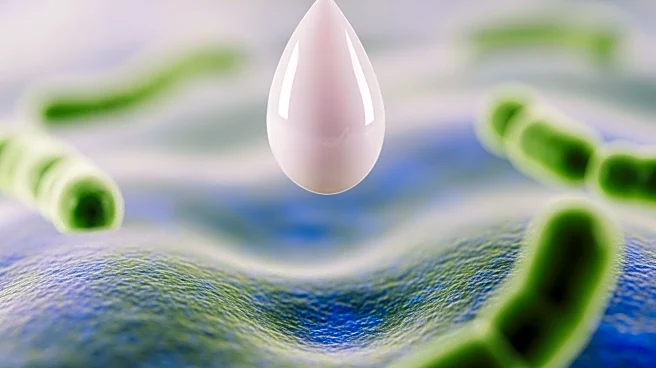
A recent study published in Nature Communications has highlighted the significant role of maternal breast milk in the development of the infant gut microbiome. The research, conducted with participants from the Mother and Infants Linked for Health (MILk)
cohort in Minneapolis, United States, examined the relationship between the microbiomes of maternal milk and infant gut. The study involved 195 mother-infant pairs, with samples collected from both breast milk and infant stool at various intervals postpartum. The findings revealed that breast milk contains a variety of beneficial bacteria, including Bifidobacterium longum, which is crucial for the digestion of human milk oligosaccharides and overall infant health. The study also noted the presence of antimicrobial resistance genes in both milk and infant stool, although the diversity of these genes was higher in infant stool samples.
Why It's Important?
The study underscores the critical role of breastfeeding in establishing a healthy gut microbiome in infants, which is essential for immune system development, nutrient absorption, and metabolism regulation. The presence of beneficial bacteria in breast milk, such as Bifidobacterium, supports the infant's digestive health and may offer protection against chronic conditions like asthma, obesity, and diabetes. Additionally, the research highlights the potential for maternal milk to influence the infant's resistome, which includes antimicrobial resistance genes. This finding is particularly relevant in the context of rising antibiotic resistance, as it suggests that breastfeeding could play a role in managing the spread of resistance genes. The study's insights into microbial transmission between mother and infant could inform future public health strategies and breastfeeding recommendations.
What's Next?
Further research is needed to explore the mechanisms of microbial transmission from mother to infant and the long-term health implications of these findings. The study's observational design and the low microbial biomass in milk samples limit the ability to confirm the direction of microbial transmission. Future studies could focus on the impact of different breastfeeding practices on the infant gut microbiome and resistome. Additionally, understanding the role of specific bacterial strains and resistance genes in infant health could lead to the development of targeted interventions to enhance the benefits of breastfeeding. Policymakers and healthcare providers may use these insights to promote breastfeeding as a critical component of infant health and development strategies.
Beyond the Headlines
The study's findings contribute to a growing body of evidence supporting the health benefits of breastfeeding, not only for infants but also for public health. The potential for breast milk to influence the infant's microbiome and resistome highlights the interconnectedness of maternal and infant health. This research may also prompt ethical discussions about the use of formula feeding and its impact on the infant microbiome. As the understanding of the gut-brain axis and its influence on mental health grows, the role of breastfeeding in supporting both physical and mental well-being could become a focal point for future studies. The study also raises questions about the implications of antimicrobial resistance gene transmission and the need for strategies to mitigate this risk.