






What's Happening?
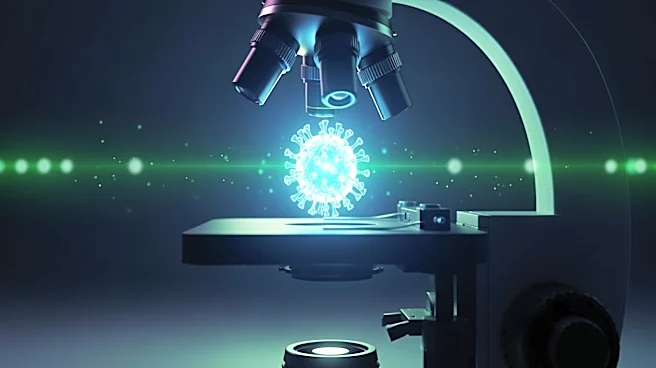
Health experts are raising concerns over significant budget cuts to the Centers for Disease Control and Prevention's (CDC) wastewater surveillance program. This program is crucial for tracking infectious diseases, including the spread of a new COVID-19
variant across the United States. The cuts could impair the nation's ability to monitor and respond to emerging health threats effectively. The CDC's wastewater surveillance has been a vital tool in detecting and understanding the spread of COVID-19, providing early warnings of outbreaks. The reduction in funding comes at a critical time when maintaining robust disease surveillance is essential for public health safety.
Why It's Important?
The reduction in funding for the CDC's wastewater surveillance program poses a significant risk to public health. This program has been instrumental in providing early detection of COVID-19 outbreaks, allowing for timely interventions and resource allocation. With a new variant spreading, the ability to track and respond to the virus is more crucial than ever. The budget cuts could lead to delayed responses and increased transmission rates, potentially overwhelming healthcare systems. This situation highlights the importance of sustained investment in public health infrastructure to ensure preparedness for current and future health challenges.
What's Next?
The CDC and public health officials may need to seek alternative funding sources or reallocate resources to maintain essential surveillance activities. Advocacy for restoring or increasing funding could intensify, with stakeholders emphasizing the program's importance in safeguarding public health. Policymakers might face pressure to reconsider budget allocations to ensure the CDC can continue its critical work. The situation could also prompt discussions on the broader implications of public health funding and the need for long-term strategies to support disease surveillance and response capabilities.