
What's Happening?
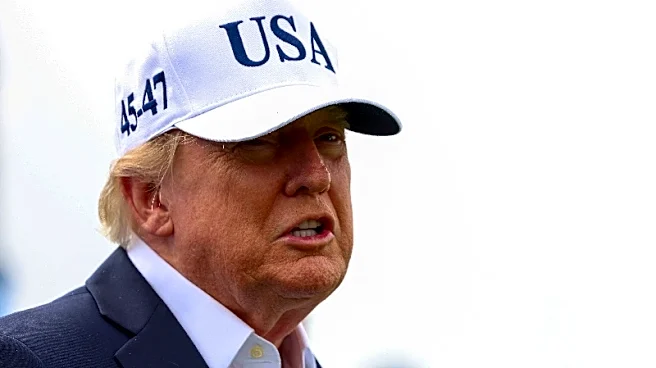
President Trump publicly dismissed concerns about artificial intelligence (AI) dangers and opposed AI regulation proposals during a phone call with Nvidia CEO Jensen Huang. The call occurred on Monday during Huang's conference presentation in Los Angeles,
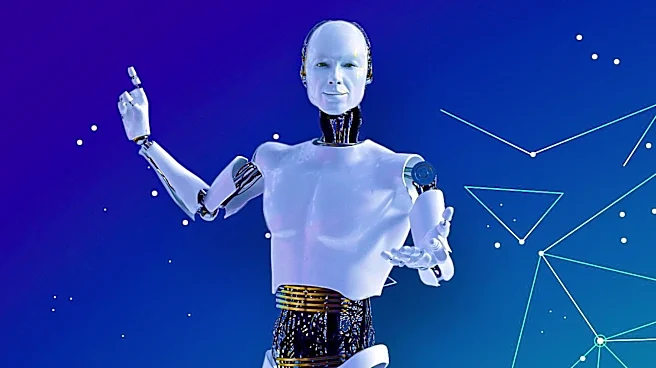
where President Trump interrupted the speech for approximately five minutes. During the call, which Huang put on speaker, President Trump characterized warnings about AI as a 'hoax' and stated that 'the robots are not going to be taking over the world.' This stance aligns with some technology executives who believe AI safety concerns are overstated and government intervention is unnecessary. However, it contrasts with other AI companies, such as Anthropic, whose CEO Dario Amodei has repeatedly advocated for regulatory oversight, citing potential catastrophic risks like biosecurity threats or autonomous control hazards from advanced AI models. Following the call, President Trump further elaborated on his views on X, equating AI danger warnings to past climate change predictions and labeling those who raise such concerns as 'Revolutionaries for a Bad and Evil Cause.' He also referred to himself as 'the Hoax Buster,' asserting that he was debunking another 'hoax' regarding AI's potential to destroy the world.
Why It's Important?
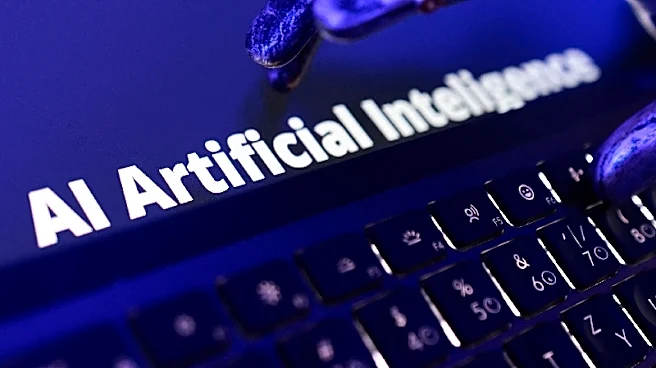
President Trump's public dismissal of AI regulation concerns carries significant implications for the future of AI development and governance in the United States. His alignment with certain tech leaders who advocate for minimal government oversight could influence policy discussions and potentially slow down or halt legislative efforts aimed at regulating the rapidly advancing AI sector. This position creates a clear divide within the tech industry itself, as some companies actively call for regulation to mitigate potential risks, while others argue against it, fearing it could stifle innovation. For stakeholders concerned about the ethical, safety, and societal impacts of AI, President Trump's statements may signal a less interventionist approach from a potential future administration, which could lead to a more laissez-faire environment for AI development. Conversely, for companies that prioritize rapid innovation without regulatory burdens, this stance could be seen as favorable. The debate over AI regulation is crucial for determining how the U.S. balances technological progress with public safety and ethical considerations, and President Trump's comments add a powerful voice to the anti-regulation side.
What's Next?
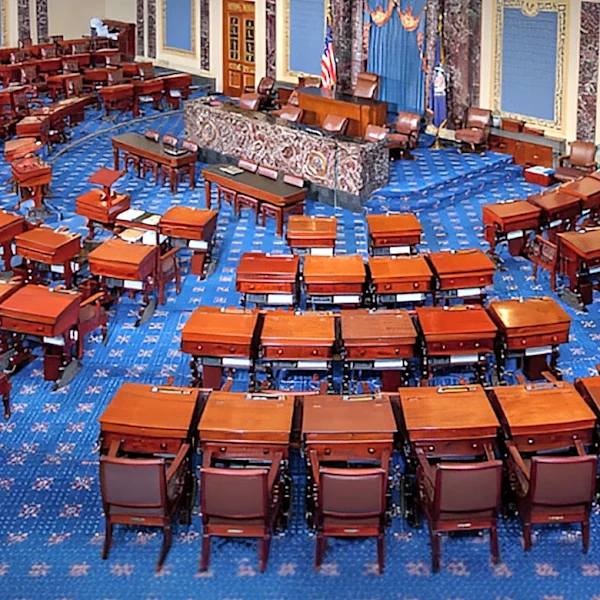
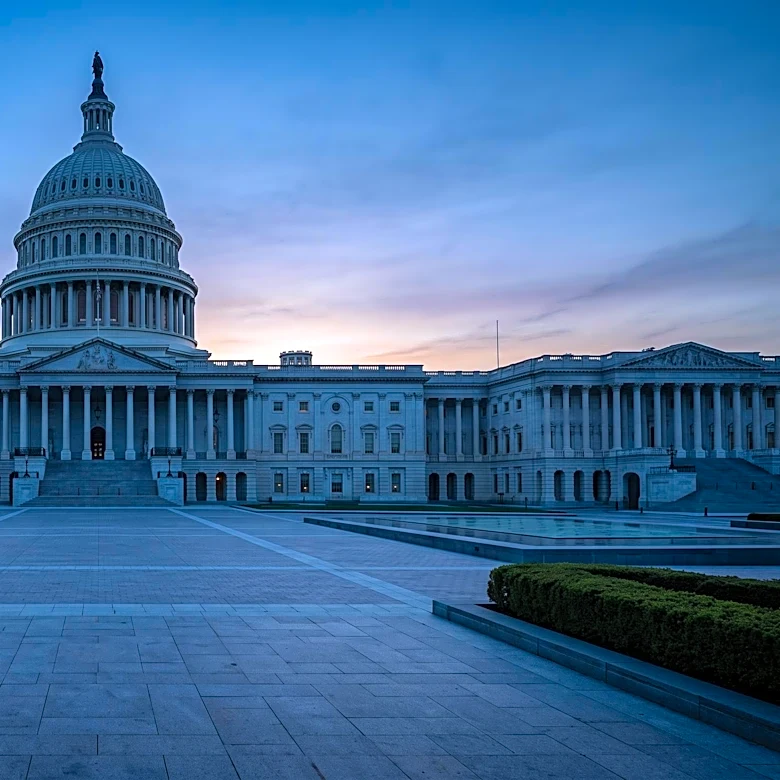
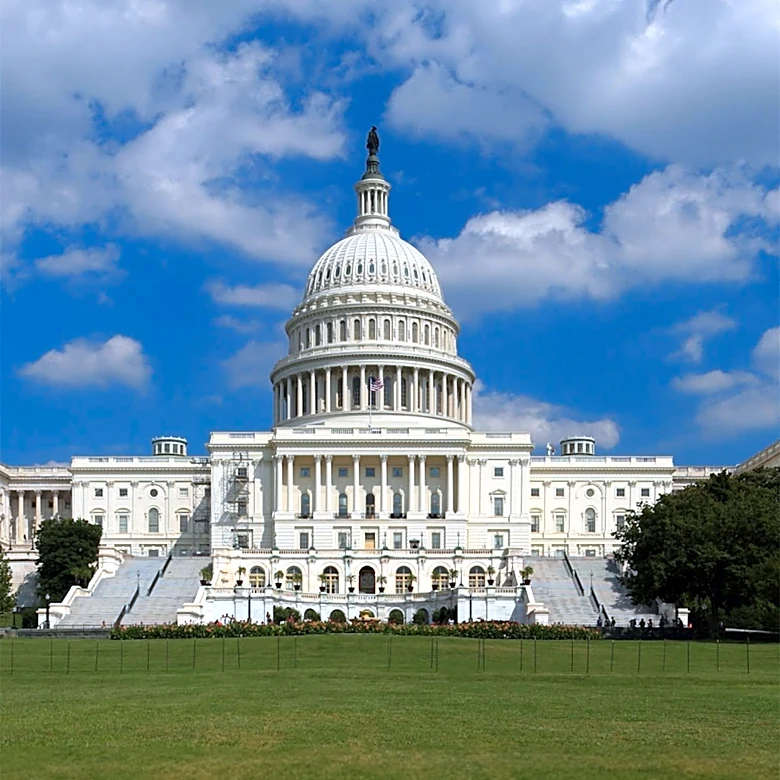
The immediate aftermath of President Trump's statements is likely to intensify the ongoing debate surrounding AI regulation in the U.S. His remarks could embolden those in the technology sector who oppose government oversight, potentially leading to increased lobbying efforts against proposed AI legislation. Conversely, advocates for AI regulation, including some AI company executives and civil society groups, may redouble their efforts to highlight potential risks and push for policy frameworks. In the political arena, these comments could shape future discussions in the Capitol Building regarding AI policy, especially if President Trump were to assume office again. His stance suggests that a future administration under his leadership might prioritize innovation and economic growth in the AI sector over stringent regulatory controls. This could lead to a divergence in AI policy compared to other global powers that are actively pursuing more comprehensive regulatory frameworks. The technology industry will likely continue to grapple with internal divisions on this issue, with companies like Anthropic maintaining their calls for regulation while others, potentially influenced by President Trump's views, advocate for self-governance or minimal intervention.
Beyond the Headlines
President Trump's characterization of AI dangers as a 'hoax' and his comparison of AI warnings to climate change concerns reveal a broader ideological stance that could have long-term implications for how scientific and technological risks are perceived and addressed in public discourse. This approach risks undermining expert consensus on potential AI threats, similar to how climate science has been politicized. Such rhetoric can foster public skepticism towards warnings from scientists and technologists, potentially hindering efforts to build a societal consensus around responsible AI development. Ethically, dismissing potential catastrophic risks without robust scientific counter-arguments raises questions about the responsibility of leaders to engage with complex technological challenges. Legally, a lack of regulatory foresight could lead to unforeseen societal disruptions, ethical dilemmas, and even national security vulnerabilities as AI capabilities advance unchecked. Culturally, this narrative could contribute to a 'tech exceptionalism' mindset, where the industry is seen as immune to traditional regulatory oversight, potentially leading to a widening gap between technological progress and societal readiness to manage its consequences. This development highlights a critical juncture in how the U.S. will navigate the profound transformations brought about by artificial intelligence.