





What's Happening?
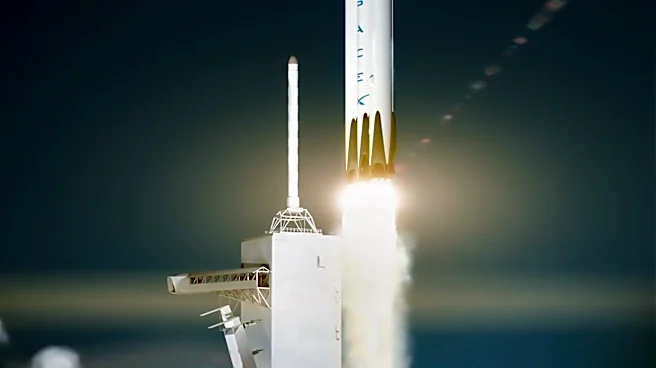
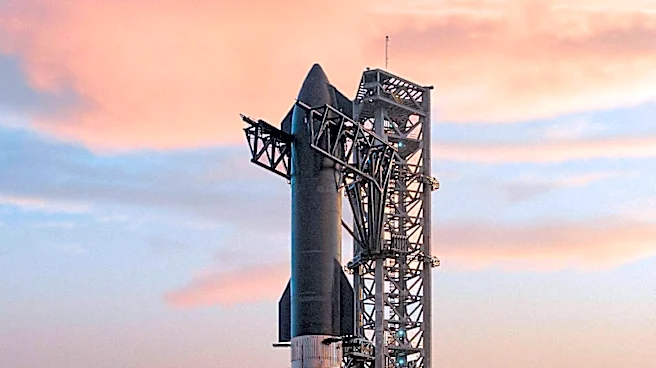
SpaceX, a prominent U.S. space company, is reportedly shifting its focus away from its traditional reliance on NASA contracts, leading to concerns within the U.S. spaceflight enterprise. According to Eric Berger, Senior Space Editor at Ars Technica, SpaceX now
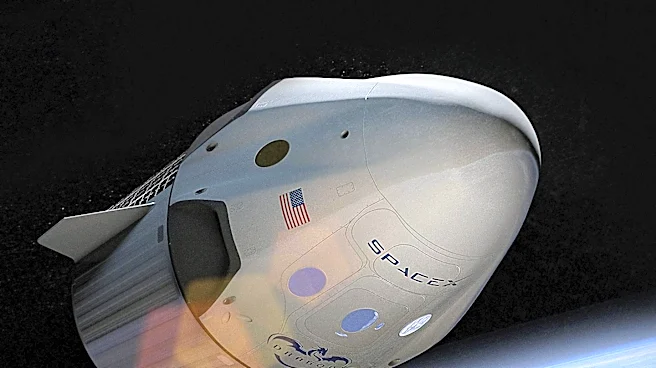
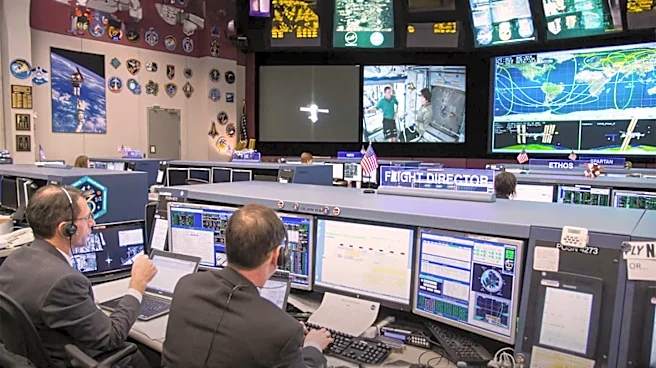
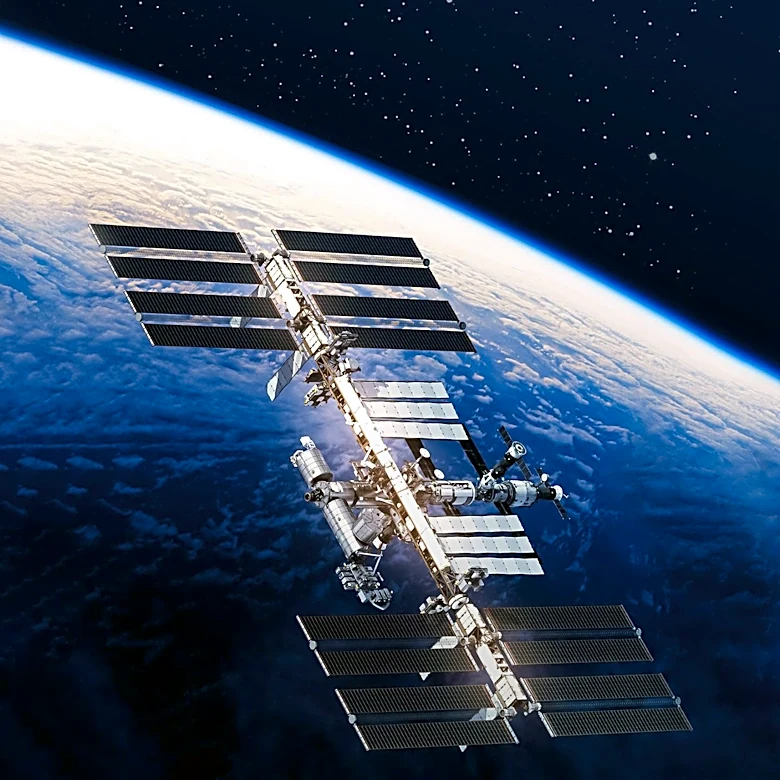
needs NASA significantly less than NASA needs SpaceX. The company has indicated to NASA that it does not intend to launch humans for the agency after 2030 and is less interested in launching cargo to low-Earth orbit for NASA or private space station providers. This change in strategy is attributed to SpaceX's increasing focus on its Starlink business and orbital data centers, which it views as more lucrative for future revenues. SpaceX has been a critical partner for NASA, conducting a majority of science mission launches and transporting cargo and astronauts to the International Space Station.
Why It's Important?
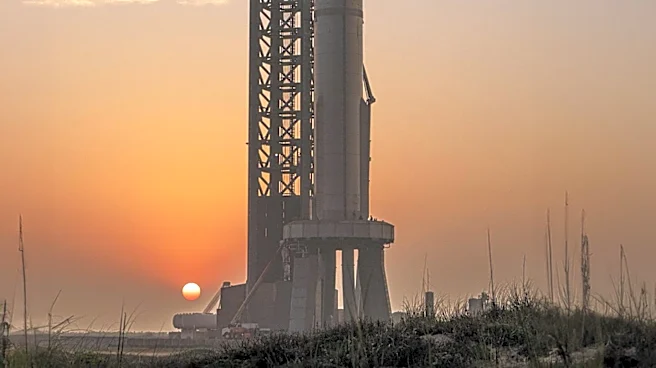
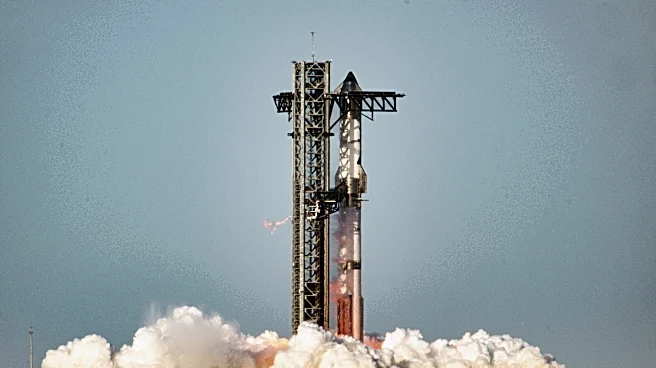
This evolving dynamic between SpaceX and NASA poses a significant challenge for the U.S. space program. SpaceX has become a critical component, almost the 'spine,' of NASA's operations, particularly for maintaining a presence in low-Earth orbit and for the ambitious lunar return missions. The potential withdrawal of SpaceX's full commitment could leave NASA with limited options, as alternatives like Boeing's Starliner program have faced significant delays and issues. While Texas, where SpaceX has heavily invested in manufacturing and launch facilities, may not see immediate changes, the broader U.S. spaceflight enterprise faces real questions about its future capabilities and its ability to compete globally, especially with the ongoing competition with China in space exploration.
What's Next?
NASA is in a difficult position regarding its low-Earth orbit operations, with the reliability of Boeing's Starliner still uncertain. For lunar missions, NASA is increasingly looking towards Jeff Bezos's Blue Origin, which is also developing a lunar lander and a large payload rocket. However, Blue Origin is not as far along in its development as SpaceX. The coming years will likely see NASA scrambling to secure reliable launch and transport services to fill the potential void left by SpaceX's shifting priorities. This situation may force NASA to re-evaluate its commercial partnership strategies and potentially invest more heavily in alternative providers or in-house capabilities to ensure the continuity and success of its future missions.
Beyond the Headlines
The situation highlights a fundamental tension in the U.S. strategy of relying on commercial partners for critical space infrastructure. While this approach has fostered innovation and efficiency, it also introduces vulnerabilities when a dominant partner shifts its business priorities. The ethical and strategic implications of entrusting national space capabilities to private entities, particularly those led by billionaires with their own long-term visions, are now more apparent. This development could lead to a re-evaluation of the balance between commercial efficiency and national security interests in space, potentially prompting policy discussions on how to ensure resilient and diversified access to space for critical government missions.