




What's Happening?
Japan is on the verge of finalizing its first arms export deal with the Philippines following a recent summit between Philippine President Ferdinand Marcos Jr. and Japanese Prime Minister Sanae Takaichi. This development comes after Japan lifted its long-standing
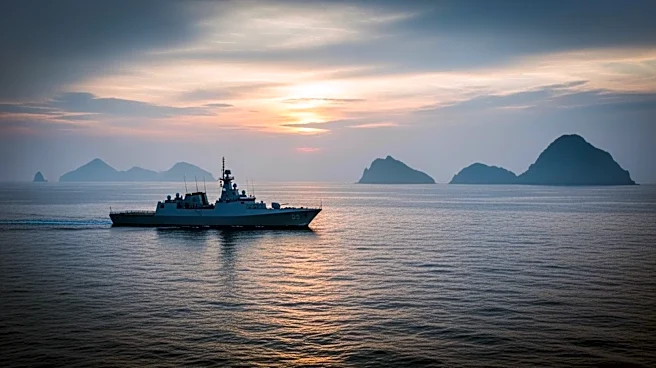
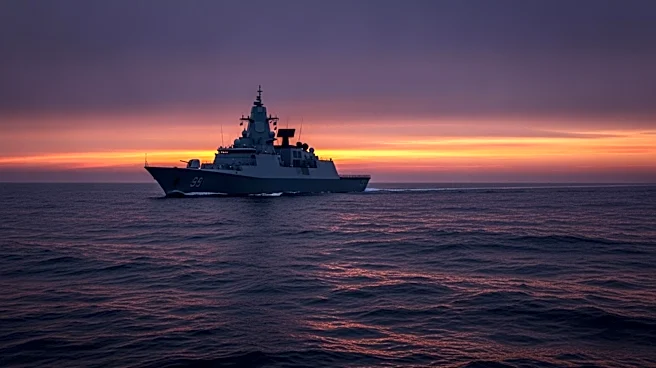
restrictions on arms exports, a policy shift driven by growing regional security concerns, particularly regarding China's military activities. The potential deal includes the sale of Abukuma-class destroyers, TC-90 training aircraft, and Type-88 surface-to-ship missiles to the Philippines. This move marks a significant shift in Japan's postwar defense policy and reflects the increasing security cooperation between Japan and Southeast Asian nations.
Why It's Important?
The potential arms deal between Japan and the Philippines highlights the shifting security dynamics in the Indo-Pacific region. As China continues to assert its territorial claims, neighboring countries are seeking to strengthen their defense capabilities and alliances. Japan's decision to lift its arms export restrictions signals a strategic pivot towards a more proactive defense posture, aiming to counterbalance China's influence. For the Philippines, acquiring advanced military equipment from Japan would enhance its naval capabilities, particularly in the contested South China Sea, and bolster its defense against potential threats.
What's Next?
If the arms deal is finalized, it will mark a significant milestone in Japan's defense policy and its role as a regional security partner. The agreement could pave the way for further defense collaborations between Japan and other Southeast Asian countries. Additionally, this development may prompt China to respond diplomatically or militarily, potentially escalating regional tensions. As Japan continues to navigate its defense strategy, it will likely seek to balance its security interests with maintaining stable relations with China.