






What's Happening?
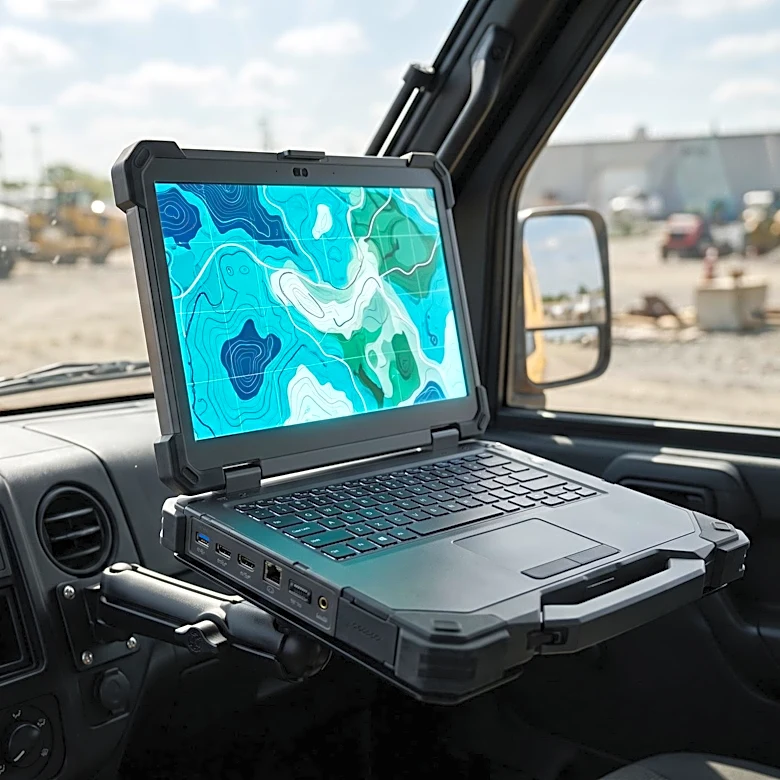
The Minnesota State Patrol has introduced a new AI-powered 'Crash Foresight' tool designed to predict the locations and times where serious traffic accidents are most likely to occur. This innovative system integrates historical crash data with information
on trooper patrols and traffic patterns. Captain Adam Fulton, commander of the Brainerd State Patrol district, stated that the tool helps in strategically deploying officers to areas where their presence can significantly impact crash reduction. The program was initially piloted in District 3, which includes Crow Wing County, before expanding to District 4 (Detroit Lakes area) and subsequently statewide. Each of Minnesota's 11 districts now has access to at least one license for the program. Katy Kressin, the Toward Zero Deaths program coordinator for west-central Minnesota, noted that other states have expressed interest in replicating Minnesota's approach, as no other state currently combines all relevant data into a single predictive database in the same manner.
Why It's Important?
This implementation marks a significant advancement in traffic safety and law enforcement strategy within the U.S. By leveraging artificial intelligence, the Minnesota State Patrol can move from reactive responses to proactive prevention, potentially saving lives and reducing injuries on roadways. The tool's ability to identify previously overlooked high-risk areas, such as a county road between state highways 71 and 371 that was not frequently patrolled but showed a high incidence of incidents like DWI arrests, demonstrates its effectiveness in optimizing resource allocation. This data-driven approach could serve as a model for other state patrol agencies nationwide, offering a more efficient and impactful method for addressing traffic safety challenges. Furthermore, the tool streamlines administrative tasks, such as citation processing, by automating data uploads directly from squad cars to the court system, enhancing overall operational efficiency.
What's Next?
The Minnesota State Patrol plans to continue utilizing and refining the Crash Foresight tool across all its districts. Captain Fulton indicated that the tool is still relatively new, and its full potential is being explored. Given the interest from other states, there is a possibility that this AI-driven approach to crash prevention could be adopted more widely across the U.S. Katy Kressin's discussions about the tool nationwide suggest that Minnesota may become a leader in this area, potentially influencing national best practices for traffic safety. Further data collection and analysis will likely continue to validate the tool's accuracy and impact, leading to ongoing adjustments in patrol strategies and potentially inspiring the development of similar predictive policing technologies in other domains.
Beyond the Headlines
The deployment of AI in law enforcement, as seen with Minnesota's Crash Foresight tool, raises broader implications regarding the role of technology in public safety. While the immediate benefit is enhanced traffic safety, the use of predictive algorithms in policing also brings ethical considerations, such as potential biases in data or the risk of over-policing certain areas. However, in this context, the tool focuses on objective crash data and traffic patterns, aiming to optimize resource deployment rather than target specific demographics. This initiative highlights a shift towards more data-informed governance, where historical information is used not just for retrospective analysis but for forward-looking prevention. The success of this program could pave the way for AI applications in other areas of public service, emphasizing efficiency and proactive problem-solving, while also necessitating careful oversight to ensure equitable and just implementation.