






What's Happening?
A joint statement from the International Energy Agency, International Monetary Fund, World Bank Group, and World Trade Organization indicates that the global economy has shown resilience in the face of the ongoing conflict in the Middle East. Despite
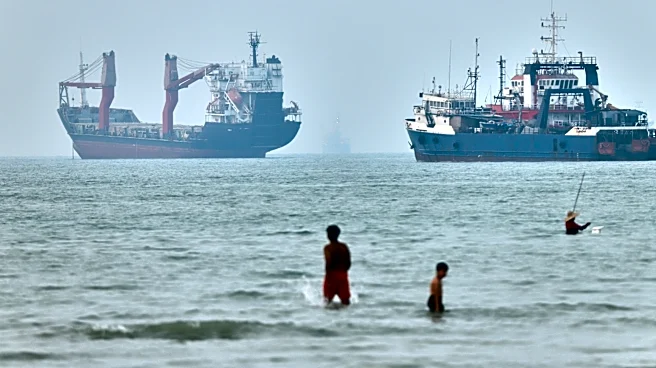
the war's impact, particularly concerning the closure of the Strait of Hormuz, the global economic system has managed to withstand significant shocks. The agencies have been meeting regularly to assess the situation, emphasizing the need for conflict resolution and the reopening of critical trade routes. They noted that while uncertainty remains high, energy markets and goods transit continue to face challenges.
Why It's Important?
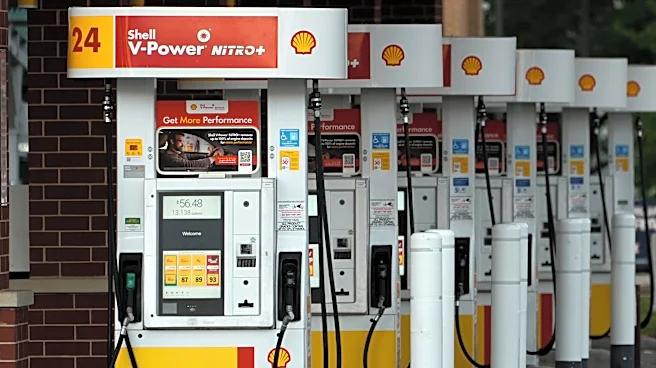
The resilience of the global economy amidst the Middle East conflict is crucial for maintaining international economic stability. The Strait of Hormuz is a vital passage for oil and gas shipments, and its closure could have severe repercussions on global energy prices and supply chains. The ability of the global economy to absorb such shocks without significant downturns is a positive indicator for future economic stability. However, the ongoing conflict still poses risks to growth and price stability, necessitating continued vigilance and cooperation among international economic bodies.
What's Next?
The involved agencies have pledged to continue monitoring the situation and are prepared to take further action if necessary. This includes supporting countries in building greater resilience in energy, food, trade, and economic sectors. The IMF forecasts a temporary dip in global growth due to the conflict, with expectations of recovery in subsequent years. Ongoing diplomatic efforts may focus on resolving the conflict and ensuring the stability of critical trade routes.