
What's Happening?
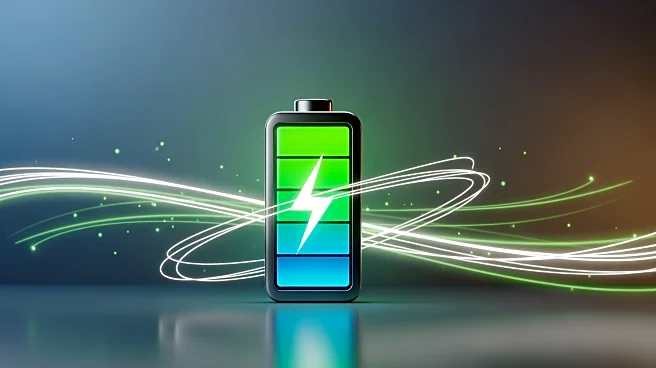
California has significantly expanded its battery storage capacity, reaching a record 16,942 MW, which is about one-third of its 2045 target. This expansion includes 13,880 MW from utility-scale projects,
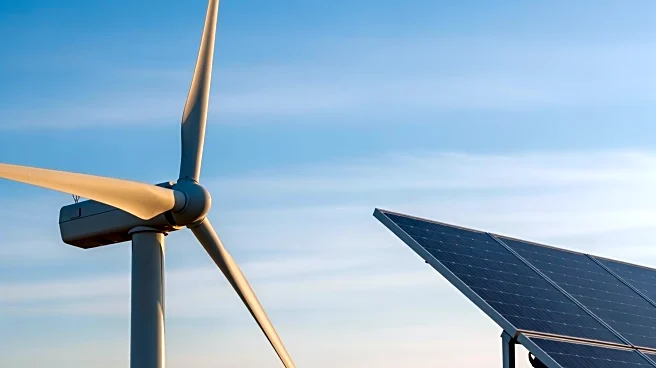
2,213 MW from residential batteries, and 849 MW from commercial and governmental facilities. The California Energy Commission announced this milestone, highlighting the state's strategy to capture excess solar and wind energy to meet peak demand. This development has helped California avoid energy shortages during peak times, even during extreme weather conditions. The state plans to eliminate coal power by the end of 2025 and aims to meet 100% of its electricity demand with clean energy by 2045. The California Independent System Operator (CAISO) has already managed to meet demand with 100% clean energy for nearly six hours daily this year.
Why It's Important?
The expansion of battery storage in California is crucial for the state's ambitious goal of achieving 100% clean electricity by 2045. This move not only supports environmental sustainability but also enhances energy security by reducing reliance on fossil fuels. The increased storage capacity allows for better management of renewable energy resources, ensuring a stable supply even during peak demand periods. This development positions California as a leader in clean energy, potentially influencing other states and regions to adopt similar strategies. The transition to clean energy is expected to create economic opportunities, including job creation in the renewable energy sector, and reduce greenhouse gas emissions, contributing to global climate change mitigation efforts.
What's Next?
California's continued investment in battery storage and renewable energy infrastructure is expected to drive further advancements in clean energy technology. The state will likely focus on expanding its grid capacity and integrating more renewable energy sources to meet its 2045 clean electricity target. Stakeholders, including government agencies, energy companies, and environmental groups, will play a critical role in supporting this transition. The success of California's strategy could serve as a model for other regions aiming to achieve similar clean energy goals, potentially leading to broader policy changes and increased investment in renewable energy across the United States.