




What's Happening?
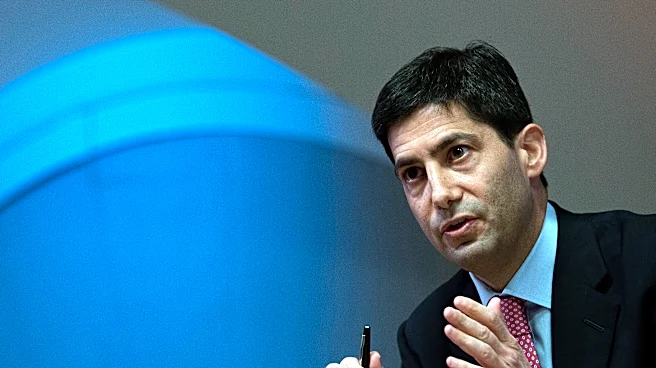
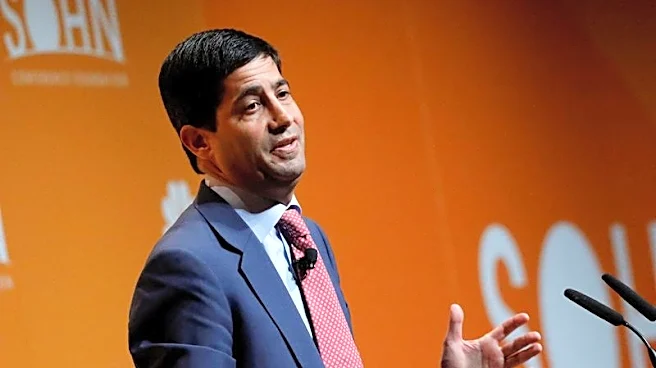
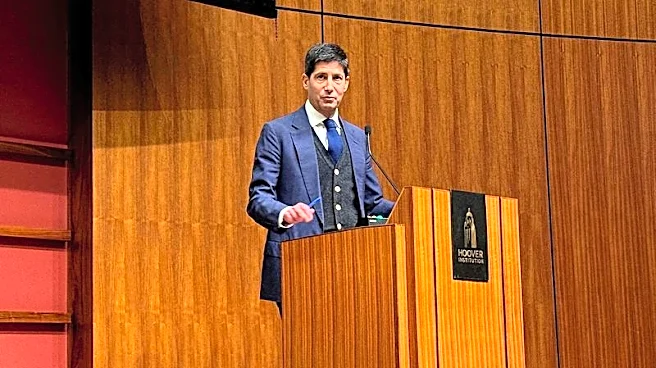
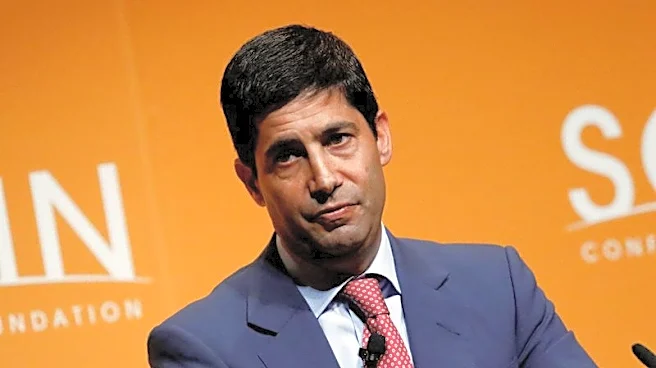
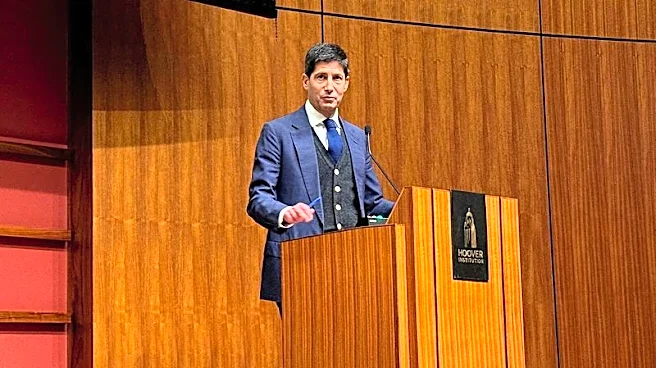
Kevin Warsh, nominated by President Trump to replace Jerome Powell as the Federal Reserve Chair, is set to emphasize the importance of the Federal Reserve's autonomy in setting interest rates during his upcoming confirmation hearing before the Senate
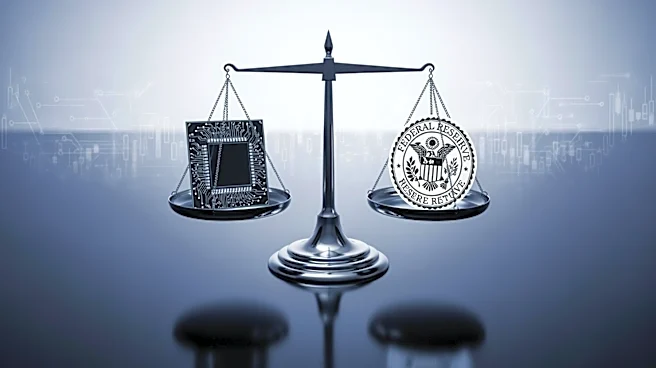
Banking Committee. Warsh's prepared remarks highlight the necessity for interest rate decisions to be based on thorough analysis and deliberation, free from external pressures. While acknowledging that the White House should have some influence over certain central bank responsibilities, Warsh maintains that the expression of views by presidents or Congress members should not compromise the Fed's independence. His nomination comes amid President Trump's public calls for lower interest rates and criticism of current Fed officials, including Powell. Additionally, Warsh's confirmation faces potential hurdles, as Senator Thom Tillis has vowed to block any Fed nominee until ongoing legal pressures, including a criminal probe into Powell, are resolved.
Why It's Important?
The confirmation of Kevin Warsh as the Federal Reserve Chair could significantly impact U.S. monetary policy, particularly in the context of President Trump's push for lower interest rates. Warsh's stance on maintaining the Fed's independence is crucial for ensuring that monetary policy decisions remain insulated from political influence, which is vital for economic stability. The outcome of this confirmation process could affect investor confidence and the broader financial markets, as the Fed's interest rate policies play a critical role in economic growth and inflation control. Furthermore, the legal challenges surrounding current Fed officials and the potential changes in leadership could lead to shifts in the central bank's approach to regulation and fiscal policy.
What's Next?
The Senate Banking Committee will conduct Warsh's confirmation hearing, where his views on the Fed's independence and interest rate policies will be scrutinized. The outcome of this hearing will determine whether Warsh will succeed Jerome Powell as the Fed Chair. Meanwhile, the ongoing legal issues involving current Fed officials, including the criminal investigation into Powell, may influence the confirmation process. If confirmed, Warsh will need to navigate the complex dynamics between maintaining the Fed's autonomy and addressing the administration's economic priorities. The decision will also set a precedent for how future Fed Chairs balance political pressures with the central bank's mandate.