
What's Happening?
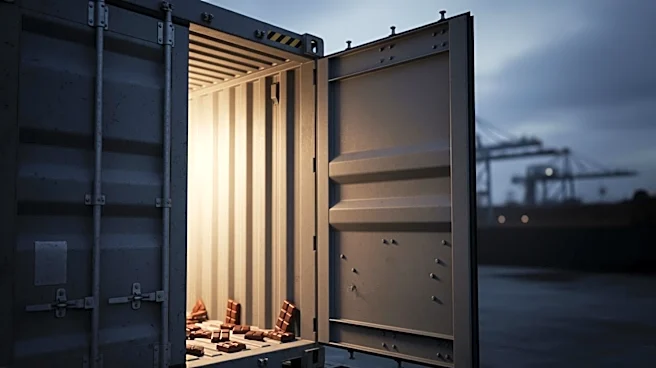
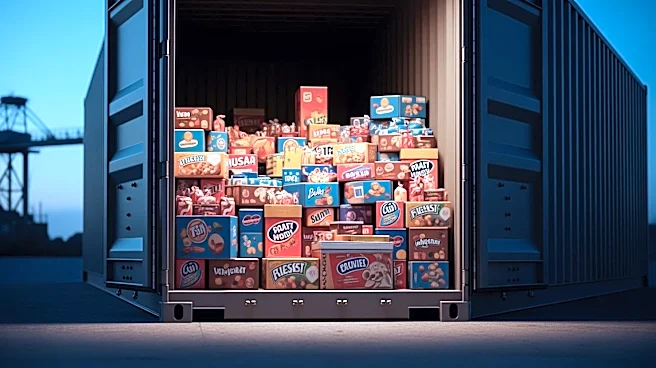
A recent cargo heist in Europe involving 12 tons of KitKat chocolate bars highlights a growing trend in organized crime targeting consumer goods. The theft, which occurred between Italy and Poland, is part
of a larger pattern where criminals use sophisticated methods such as identity theft and GPS spoofing to intercept and resell goods. This type of crime results in significant financial losses for the U.S. trucking industry, estimated at $18 million daily. The impact is felt by American consumers through higher prices and reduced availability of products, as companies face increased insurance premiums and security costs.
Why It's Important?
Cargo theft represents a significant threat to the U.S. economy, affecting both consumers and businesses. As companies incur higher costs due to theft, these expenses are passed on to consumers, exacerbating affordability issues. Small trucking companies are particularly vulnerable, as a single stolen load can severely impact their financial stability. Despite the FBI and Department of Homeland Security recognizing cargo theft as a national threat, enforcement remains weak, with few arrests and minimal penalties. The Combating Organized Retail Crime Act aims to address these issues by enhancing coordination and data sharing among law enforcement agencies.
What's Next?
The proposed Combating Organized Retail Crime Act seeks to strengthen law enforcement's ability to combat cargo theft through improved coordination and data sharing. If passed, it would establish a national cargo theft database and provide necessary training and funding to tackle this issue effectively. The bipartisan support for the act underscores the urgency of protecting the supply chain and consumer prices, especially as global instability and rising gas prices continue to challenge the economy.