


What's Happening?
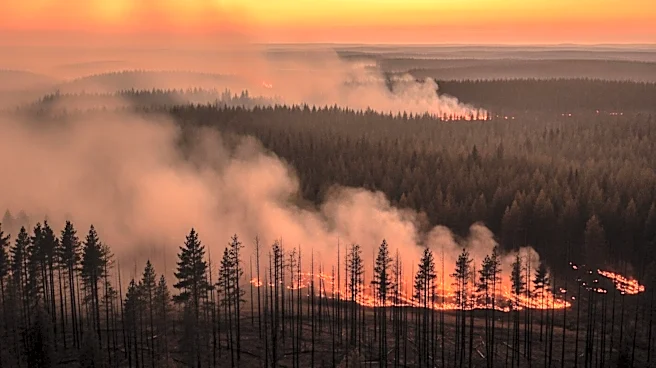
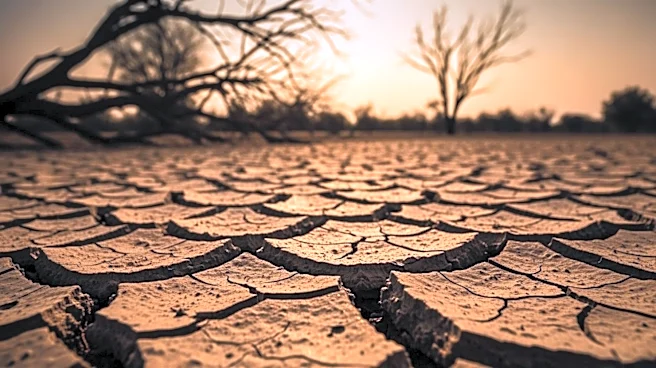
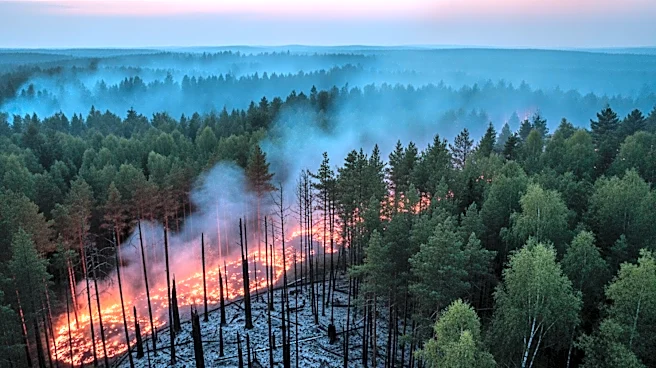
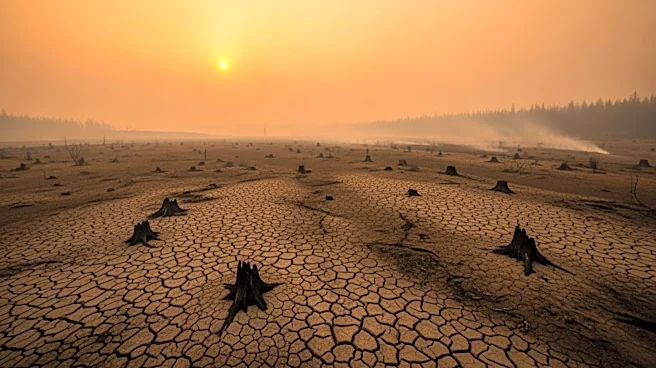
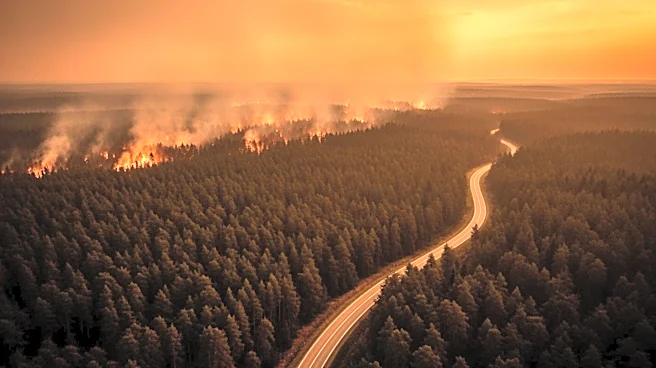
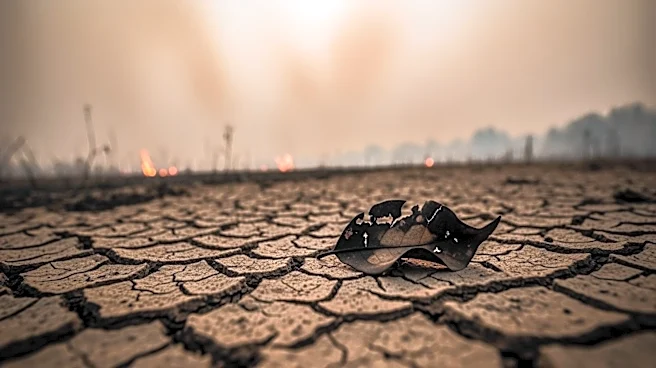
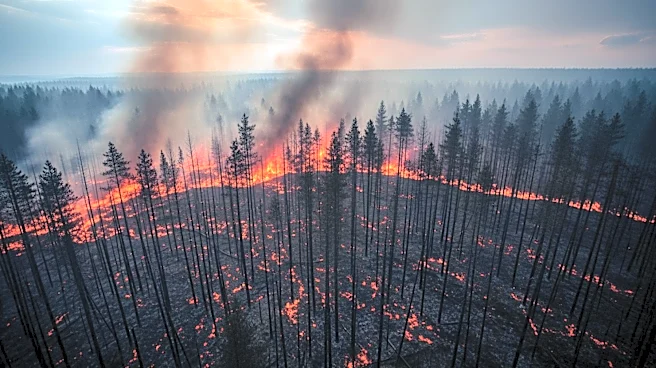
Wildfires in Georgia and Florida have led to the destruction of over 120 homes, with more than 1,000 additional homes at risk. The fires, fueled by drought and extreme weather conditions, have caused record property losses in Georgia, surpassing the state's
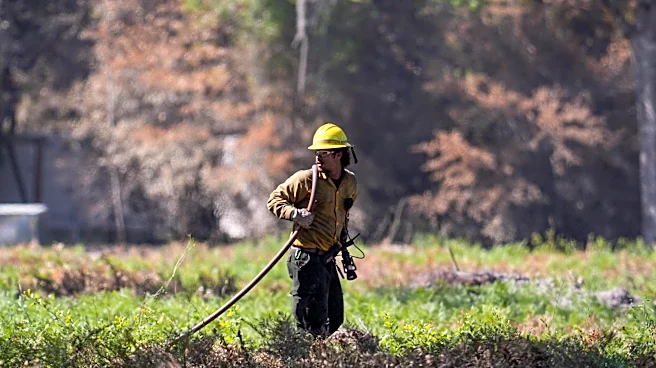
five-year average for wildfire activity. One of the fires in Georgia was suspected to have been sparked by an aluminum party balloon, while another was ignited by a welder's torch. Firefighters are working to contain the blazes, but the situation remains dynamic and dangerous. In Brantley County, Georgia, residents were forced to evacuate as the Highway 82 Fire approached, destroying homes and leaving families with nothing but ashes. The fires have also claimed the life of a volunteer firefighter in Florida, highlighting the perilous conditions faced by those battling the blazes.
Why It's Important?
The wildfires in Georgia and Florida underscore the increasing frequency and intensity of natural disasters exacerbated by climate change. The destruction of homes and displacement of residents highlight the urgent need for effective disaster management and climate adaptation strategies. The economic impact is significant, with property losses surpassing previous records, affecting local economies and insurance industries. The fires also pose a threat to public safety and health, as smoke and ash can lead to respiratory issues. The loss of homes and personal belongings has a profound emotional and psychological impact on affected families, emphasizing the need for community support and recovery efforts.
What's Next?
Efforts to contain the wildfires are ongoing, with firefighters working tirelessly to prevent further destruction. Authorities are likely to assess the damage and begin recovery and rebuilding efforts once the fires are under control. There may be calls for increased funding and resources for firefighting and disaster preparedness. The events could also prompt discussions on climate policy and the need for sustainable practices to mitigate the effects of extreme weather conditions. Community support initiatives and aid for displaced families will be crucial in the coming weeks as affected individuals begin to rebuild their lives.
Beyond the Headlines
The wildfires highlight the broader implications of climate change and the need for comprehensive environmental policies. The destruction of historical sites and personal heirlooms underscores the cultural loss that accompanies such disasters. The situation also raises ethical questions about land management and the responsibility of individuals and industries in preventing fire hazards. Long-term, these events may influence public opinion and policy regarding environmental conservation and climate action.