




What's Happening?
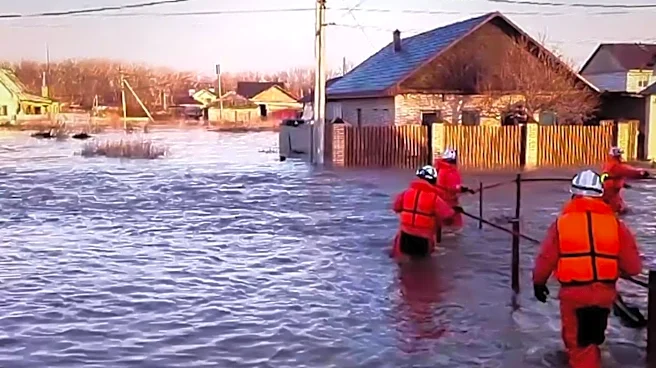
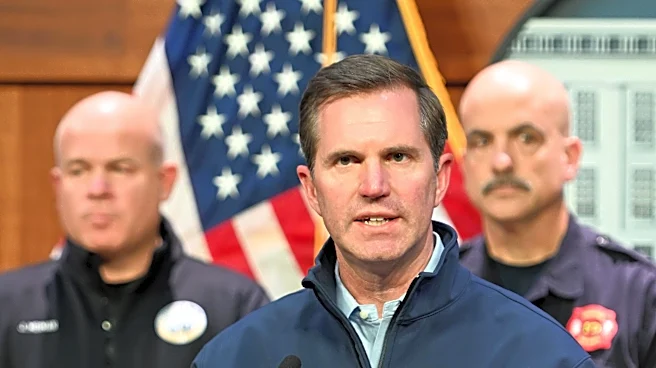
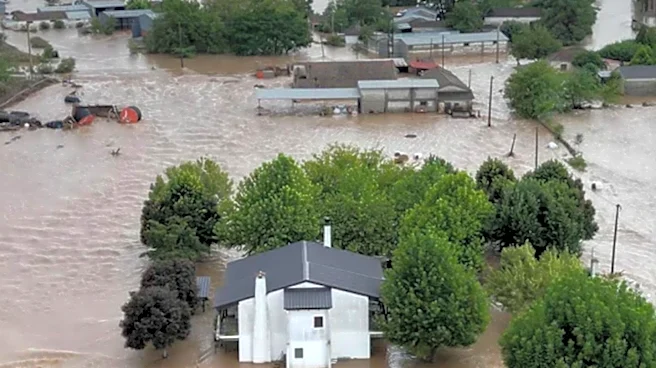
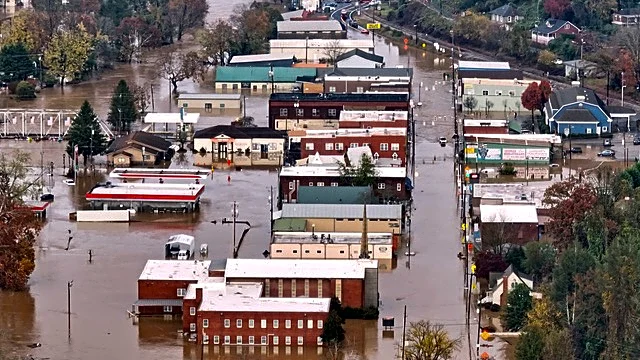
Governor Jared Polis provided an update on the state's response to recent flooding in southwestern Colorado. State crews are actively engaged in search and rescue operations, road repairs, and restoring basic services in affected areas. Several highways,
including US 160 Wolf Creek Pass and CO 151, remain fully closed, with US 160 Wolf Creek Pass anticipated to reopen within a week, weather permitting. The Colorado Department of Labor and Enforcement has made resources available for affected workers, including information on paid sick leave, unemployment insurance, and Family and Medical Leave Insurance (FAMLI). Joint Preliminary Damage Assessments are underway in six counties to determine the extent of damage and pursue federal funding assistance.
Why It's Important?
The flooding in southwestern Colorado has a significant impact on local communities and the state's infrastructure. The closure of major highways disrupts transportation, affecting residents, businesses, and tourism, which is a vital part of the local economy. The damage assessments are crucial for unlocking federal assistance, which will be essential for rebuilding efforts and supporting affected individuals and businesses. The provision of resources for workers, such as paid sick leave and unemployment insurance, helps mitigate the immediate economic hardship faced by those impacted by the disaster. The coordinated response involving state and federal agencies, along with local first responders, underscores the importance of inter-agency cooperation in managing large-scale emergencies and protecting public safety.
What's Next?
The immediate next steps involve the continued efforts to reopen closed highways, with US 160 Wolf Creek Pass expected to open within a week and CO 151 before Thanksgiving. The Joint Preliminary Damage Assessments will continue through November 12 in Archuleta, Conejos, La Plata, Mineral, Montezuma, and Rio Grande counties. The information gathered from these assessments will be used to determine the eligibility for federal funding assistance through FEMA's Individual Assistance and Public Assistance programs. Governor Polis has encouraged Coloradans to visit the region once roads reopen to help boost local economies. The State Emergency Operations Center remains activated at Level One, coordinating resources and support for affected communities.
Beyond the Headlines
The recurring nature of severe weather events, such as the flooding in southwestern Colorado, highlights the broader implications of climate patterns and the need for resilient infrastructure. Beyond the immediate recovery, these events prompt discussions about long-term climate adaptation strategies, including improved flood control measures, early warning systems, and sustainable land use planning. The economic impact extends beyond direct damages, affecting supply chains, agricultural output, and the overall stability of regional economies. The community response, including the efforts of first responders and local volunteers, also underscores the importance of social capital and preparedness in mitigating the human toll of natural disasters.