






What's Happening?
A study published in Nature reveals that sugar-rich foods can worsen the disruption of the gut microbiome caused by antibiotics. The research, conducted on adult allo-HCT recipients at Memorial Sloan Kettering Cancer Center in New York between 2017 and
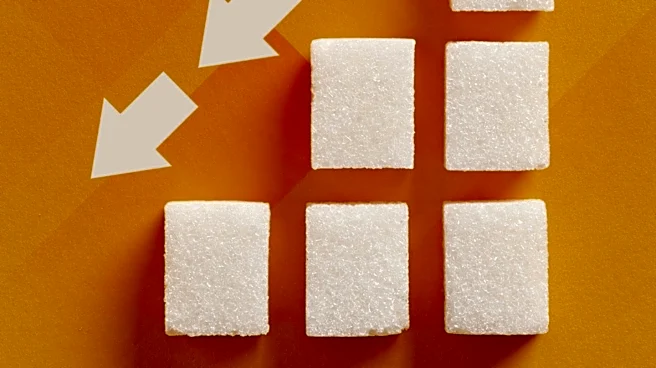
2022, involved monitoring dietary intake and microbiome changes. Patients were asked to record their consumption of each meal item, and this data was linked to detailed food classifications. The study found that the interaction between sugar intake and antibiotic exposure significantly impacted microbial diversity. Specifically, a 100g increase in 'sweets' (dehydrated weight) exacerbated the negative effects of antibiotics on the gut microbiome. This finding was consistent across different conditioning intensities for transplant patients.
Why It's Important?
This research has significant implications for patient care, particularly for individuals undergoing treatments that involve antibiotics, such as those receiving allogeneic hematopoietic cell transplantation (allo-HCT). The gut microbiome plays a crucial role in overall health, including immune function and nutrient absorption. Disruptions to this delicate balance, often caused by broad-spectrum antibiotics, can lead to various health complications, including increased susceptibility to infections and impaired recovery. By demonstrating that sugar intake exacerbates this disruption, the study highlights a modifiable factor that could improve patient outcomes. For the U.S. healthcare system, this suggests a need for more comprehensive dietary guidance alongside antibiotic prescriptions, potentially reducing treatment-related complications and healthcare costs. It also underscores the broader public health concern regarding high sugar consumption and its interaction with medical interventions.
What's Next?
The findings suggest that dietary interventions, specifically reducing sugar intake, could be a valuable strategy to mitigate antibiotic-induced gut microbiome disruption. Future research may focus on developing and testing specific dietary guidelines for patients receiving antibiotics, especially those with compromised immune systems. This could involve clinical trials to assess the impact of low-sugar diets on microbiome recovery and patient outcomes. Additionally, there may be a push for healthcare providers to incorporate more detailed nutritional counseling into treatment plans. The study also opens avenues for exploring the mechanisms by which sugar interacts with antibiotics to affect the microbiome, potentially leading to the development of new therapeutic approaches or dietary supplements to support gut health during antibiotic treatment.
Beyond the Headlines
Beyond immediate patient care, this study contributes to a growing body of evidence linking diet, the microbiome, and overall health. It highlights the complex interplay between external factors (like diet and medication) and the internal ecosystem of the human body. The findings could influence public health campaigns aimed at reducing sugar consumption, emphasizing not just its direct health impacts but also its potential to undermine medical treatments. Ethically, it raises questions about the responsibility of healthcare providers to offer comprehensive lifestyle advice, including dietary recommendations, as part of medical treatment. Culturally, it may further shift perceptions of food from mere sustenance to a powerful modulator of health and disease, particularly in the context of medical interventions. This research could also spur innovation in personalized nutrition, where dietary advice is tailored to an individual's microbiome and medical needs.