
What's Happening?
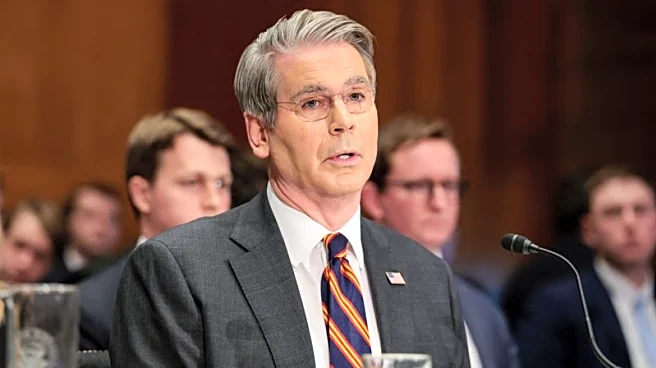
Former Justice Department special counsel Jack Smith is scheduled to testify publicly before the House Judiciary Committee about his investigations into President Trump. These investigations led to two
indictments related to Trump's handling of classified documents at Mar-a-Lago and his efforts to overturn the 2020 presidential election results. The public testimony is set for January 22, as confirmed by a spokesman for Smith. Previously, Smith testified behind closed doors, where he stated that the January 6, 2021, Capitol riot would not have occurred without Trump's involvement. The indictments were later abandoned following Trump's victory in the November 2024 presidential election, due to Justice Department legal opinions that prevent indicting a sitting president.
Why It's Important?
The public testimony of Jack Smith is significant as it sheds light on the legal proceedings and investigations surrounding President Trump, a figure who continues to be a polarizing presence in U.S. politics. The investigations into Trump's actions have been a focal point of political discourse, influencing public opinion and potentially impacting future legal and political strategies. Smith's testimony could provide further insights into the decision-making processes within the Justice Department and the challenges of prosecuting a former president. This event underscores the ongoing debate about accountability and the rule of law in the context of high-profile political figures.
What's Next?
Following Smith's public testimony, there may be increased scrutiny and discussion regarding the legal frameworks that govern the indictment of sitting presidents. The testimony could prompt legislative or judicial reviews of existing policies, especially concerning the balance of power and the accountability of high-ranking officials. Political leaders, legal experts, and civil society groups may react by advocating for reforms or defending current practices, depending on their perspectives on executive accountability. The outcome of these discussions could influence future legal proceedings involving political figures and shape the broader narrative of justice and governance in the U.S.