




What's Happening?
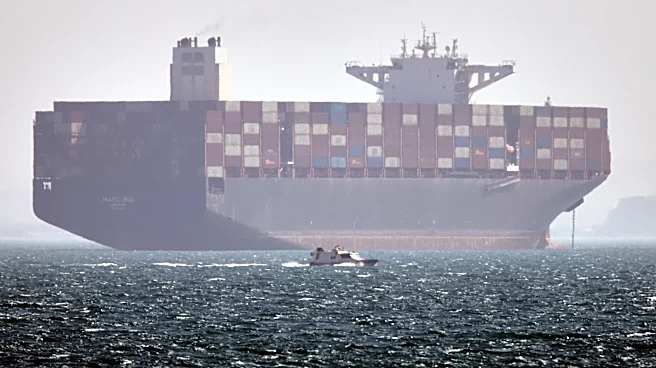
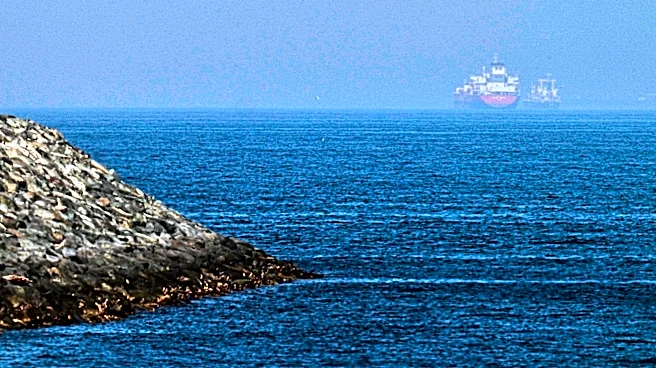
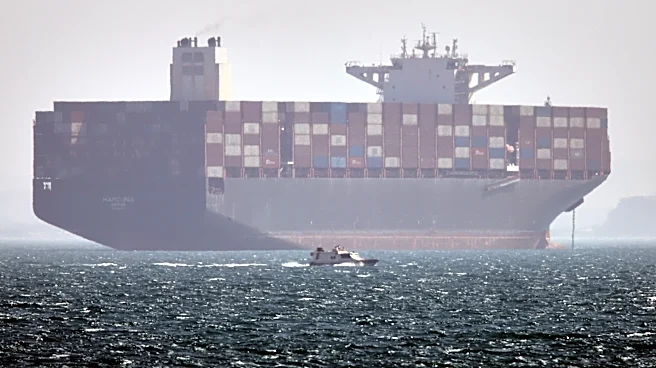
Pakistani officials are expressing cautious optimism regarding potential diplomatic progress between the United States and Iran. This sentiment follows President Trump's decision to pause Project Freedom, an initiative aimed at using American assets to assist
ships in the Persian Gulf. According to Islamabad-based foreign affairs analyst Omer Azhar, there is a belief among senior Pakistani officials that discussions are moving towards a memorandum of understanding (MoU) rather than a comprehensive agreement. Pakistani Prime Minister Shehbaz Sharif has publicly welcomed the pause, thanking the Trump administration. Despite the positive outlook, there are no visible developments on the ground, and no high-level meetings appear to be scheduled imminently. A significant obstacle remains Iran's stockpile of enriched uranium, which is expected to be a central issue in negotiations.
Why It's Important?
The potential diplomatic breakthrough between the US and Iran could have significant implications for regional stability and international relations. For Pakistan, a successful negotiation could enhance its strategic position and foster regional cooperation. The pause in Project Freedom may also reduce tensions in the Persian Gulf, benefiting global trade routes. However, the unresolved issue of Iran's enriched uranium stockpile poses a challenge that could stall progress. The outcome of these negotiations could influence US foreign policy and its relations with Middle Eastern countries, impacting global geopolitical dynamics.
What's Next?
While optimism exists, the next steps involve addressing the critical issue of Iran's uranium enrichment. The US and Iran will need to negotiate terms that satisfy both parties, potentially leading to a formal agreement. Stakeholders, including Israel, are closely monitoring the situation, given the potential security implications. The international community will be watching for any signs of progress or setbacks in the negotiations, which could affect global diplomatic and economic landscapes.