




What's Happening?
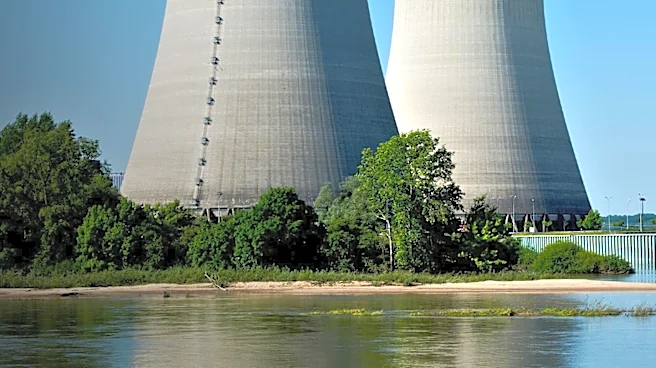
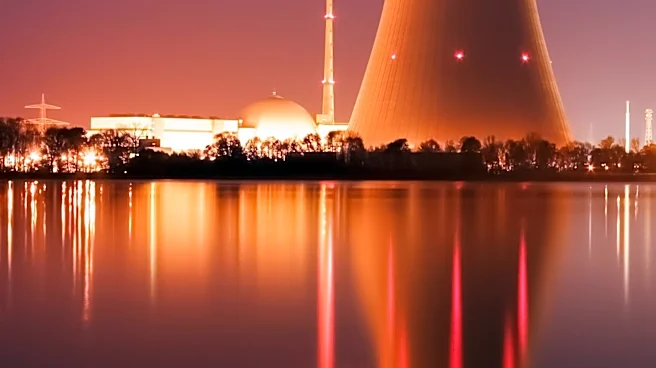
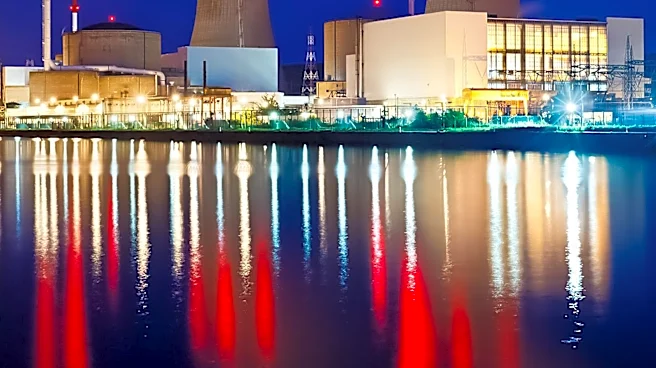
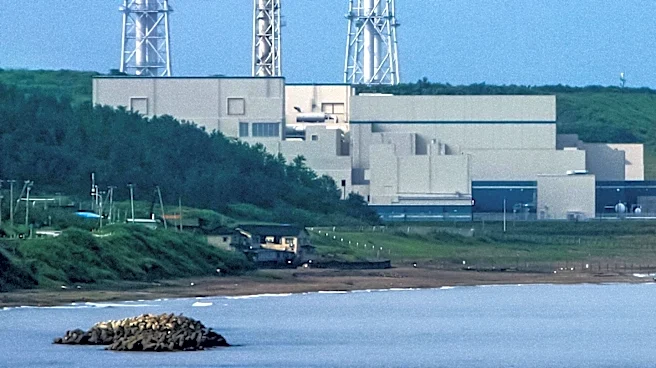
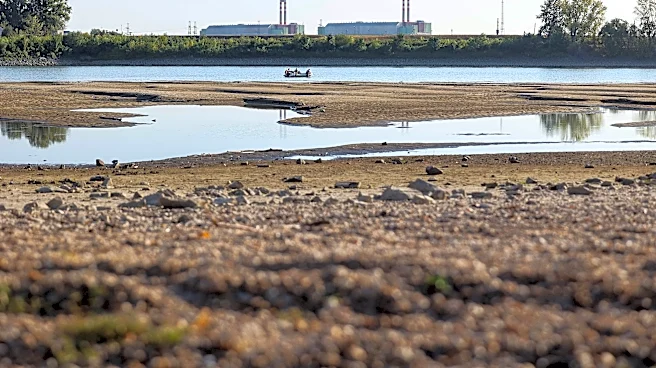
Hungary's sole nuclear power plant, the Paks facility, has been forced to shut down due to the drying out of the Danube River, which it uses for cooling. This marks the first time in over four decades that the plant has ceased operations. The shutdown
comes amid a severe heatwave and drought affecting large parts of Europe, which have lowered river levels and raised concerns about water supplies and power generation. The Paks plant, which generates about half of Hungary's electricity, was operating at just over 10% capacity before the shutdown. Prime Minister Peter Magyar has warned of a critical period ahead, with the hottest days yet to come, and has called for voluntary power usage cuts to ease pressure on the grid.
Why It's Important?
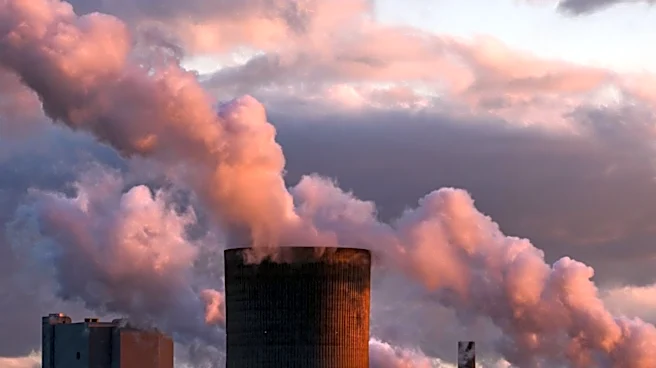
The shutdown of the Paks nuclear plant highlights the vulnerability of energy infrastructure to climate-induced changes, such as droughts and heatwaves. This event underscores the broader implications for energy security in Europe, as the plant is a significant source of electricity for Hungary. The situation could lead to increased electricity imports, driving up costs and impacting the economy. Additionally, the disruption of river transport and water supplies could have further economic and social consequences. The incident serves as a reminder of the need for resilient energy systems and the potential impacts of climate change on critical infrastructure.
What's Next?
Hungary faces a challenging period as it navigates the energy shortfall caused by the plant's shutdown. The government may need to implement mandatory power consumption restrictions if voluntary cuts prove insufficient. The situation could prompt discussions on diversifying energy sources and enhancing infrastructure resilience to climate impacts. Regional cooperation may also be necessary to address the broader implications for energy security in Europe. The outcome of these efforts will be crucial in determining Hungary's ability to manage the current crisis and prevent similar occurrences in the future.