





What's Happening?
The security landscape for the U.S. presidency is facing a significant shift with the rise of drone technology. Historically, the threat to presidents has been primarily from firearms, with security measures evolving to counter this. However, drones present
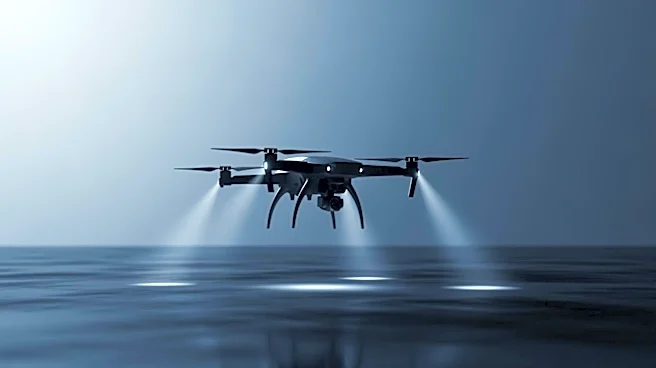
a new kind of threat that existing security protocols may not adequately address. Unlike firearms, drones can be operated remotely, reducing the risk of capture for the operator and increasing the potential pool of attackers. The development of drone swarms, which are coordinated fleets of small, autonomous aircraft, further complicates security efforts. These swarms can be launched from multiple directions simultaneously, presenting a challenge that current security measures are not fully equipped to handle.
Why It's Important?
The emergence of drones as a threat to presidential security has significant implications for national security and public safety. The ability of drones to bypass traditional security measures could lead to more frequent and potentially more devastating attacks. This shift necessitates a reevaluation of current security protocols and the development of new strategies to counteract this threat. The potential for drones to be used in attacks also raises concerns about the accessibility of such technology to individuals or groups with malicious intent. As drone technology becomes more affordable and widespread, the risk of its misuse increases, posing a challenge for law enforcement and security agencies.
What's Next?
In response to the growing threat posed by drones, security agencies may need to invest in new technologies and strategies to detect and neutralize drone threats. This could include the development of anti-drone systems and the implementation of stricter regulations on drone usage. Additionally, there may be increased collaboration between government agencies and private sector companies to develop innovative solutions to this emerging threat. The ongoing evolution of drone technology will require continuous adaptation and vigilance from security forces to ensure the safety of high-profile targets, including the U.S. president.