




What's Happening?
On October 1, 2026, California's Department of Toxic Substances Control (DTSC) officially included microplastics in its Candidate Chemicals List under the state’s Safer Consumer Products (SCP) program. This action enables the DTSC to assess consumer products
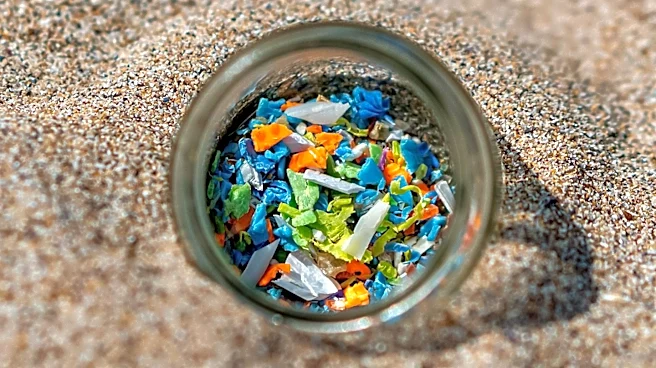
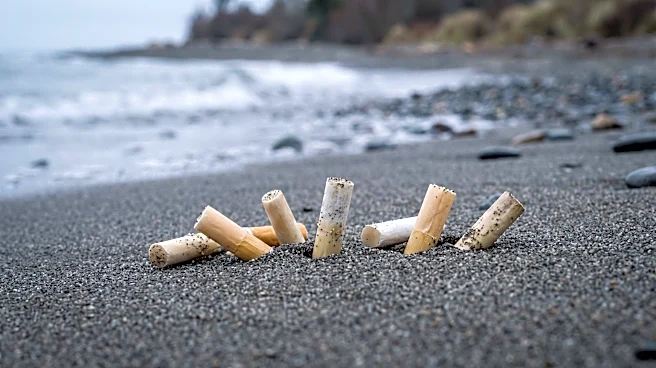
that contain or generate microplastics for potential regulatory measures. Microplastics, defined as plastic particles smaller than 5 millimeters, are recognized for their high mobility and environmental persistence, leading to their widespread presence in ecosystems, including dust, indoor air, human food supplies, and drinking water. The listing itself does not impose immediate restrictions or bans on products, nor does it introduce new regulatory requirements. Instead, it establishes a framework for the DTSC to identify specific products containing or producing microplastics as 'Priority Products.' The criteria for designating Priority Products include the potential for exposure to microplastics associated with the product and the likelihood of that exposure causing significant negative impacts on humans, wildlife, or the environment. The agency also considers scientific evidence, product life-cycle impacts, vulnerable populations, and the availability of safer alternatives.
Why It's Important?
This move by California is a significant step in addressing microplastic pollution and could set a precedent for other jurisdictions. By adding microplastics to the Candidate Chemicals List, California is formally acknowledging the potential risks associated with these pervasive particles, even as the full extent of their human health consequences remains under investigation. This action provides a legal mechanism for the state to scrutinize products and potentially mandate manufacturers to explore safer alternatives if their products are designated as Priority Products. The widespread presence of microplastics in various environmental compartments and human consumables underscores the urgency of such regulatory frameworks. While the immediate impact on industries is not a ban, it signals a future where manufacturers may face increased pressure to innovate and reduce microplastic content in their products, potentially leading to shifts in material science and product design. This could affect a broad range of sectors, from packaging and textiles to personal care products, driving demand for more sustainable and biodegradable materials.
What's Next?
The DTSC has not yet proposed any specific Priority Products for microplastics. The designation of a product as a Priority Product would require a separate rulemaking process, which includes a public comment period. If a product is eventually designated, it could trigger obligations for manufacturers to assess and implement safer alternatives. This process will likely involve extensive scientific review, stakeholder engagement, and potentially legal challenges from affected industries. California's approach, which has evolved from specific product restrictions to broader policies, could serve as a model for other states and even federal agencies considering how to tackle microplastic pollution. Researchers from Stanford University have highlighted this listing as an important legal step, despite ongoing uncertainties regarding human health effects, suggesting that California's actions could influence future regulatory strategies nationwide. The focus will now shift to which products the DTSC identifies and the subsequent industry responses.
Beyond the Headlines
The addition of microplastics to California's Candidate Chemicals List highlights a growing societal and scientific concern about the long-term implications of plastic proliferation. Beyond the immediate regulatory impact, this decision underscores a broader shift in how environmental contaminants are perceived and managed. It brings to the forefront ethical considerations about corporate responsibility in product lifecycle management and the precautionary principle in environmental health. The challenge lies in balancing economic interests with public health and environmental protection, especially given the ubiquitous nature of plastics in modern life. This development could also spur significant investment in research and development for novel materials and waste management technologies, fostering a more circular economy for plastics. The ongoing debate about the human health effects of microplastics, while not fully resolved, is clearly influencing policy decisions, reflecting a proactive stance against potential future harms and a recognition of the interconnectedness of environmental and human well-being.